Does the Mazda CX-5 Come With Tinted Windows – Full Guide
Yes, the Mazda CX-5 comes with tinted windows on most trims. The factory tint offers UV protection and reduces heat inside your cabin. Understanding the tint levels helps you choose the right trim and decide if additional tinting is worth it.
When you buy a Mazda CX-5, one question that comes up fast is whether the windows are already tinted. The short answer is yes. Most trims of the Mazda CX-5 come with factory-tinted windows right out of the dealership. But the details matter. The shade, darkness, and coverage can vary depending on the trim level you choose. In this guide, we break down everything you need to know about Mazda CX-5 tinted windows. You will learn what factory tint means, how it works, and whether you should consider adding more tint yourself.
tinted windows are more than just a cosmetic feature. They protect your skin from harmful UV rays. They keep your car cooler in the summer. And they add a layer of privacy for you and your passengers. Whether you are shopping for a new CX-5 or already own one, understanding the tint situation helps you make smarter decisions. Let us dive into the details.
Key Takeaways
- Factory Tint Included: Most Mazda CX-5 trims come with factory-tinted windows as standard.
- UV and Heat Protection: The tint blocks harmful UV rays and reduces cabin heat.
- Trim Matters: Higher trims may offer darker or more comprehensive tinting.
- Aftermarket Options Exist: You can upgrade or add tint if the factory tint is not dark enough.
- Legal Limits Apply: Every state has its own tint law you must follow.
- Resale Value Boost: Tinted windows can improve your car’s appeal and value.
📑 Table of Contents
- What You Get with the Mazda CX-5
- Understanding Factory Tinted Windows
- Tint Levels Across CX-5 Trim Levels
- Benefits of Tinted Windows on the CX-5
- Aftermarket Tinting Options
- Tint Laws and Regulations
- Does the Mazda CX-5’s Tint Affect Resale Value?
- Common Mistakes to Avoid with Tinted Windows
- Expert Insights on Mazda CX-5 Tinted Windows
- Final Thoughts
What You Get with the Mazda CX-5
Factory Tint as Standard
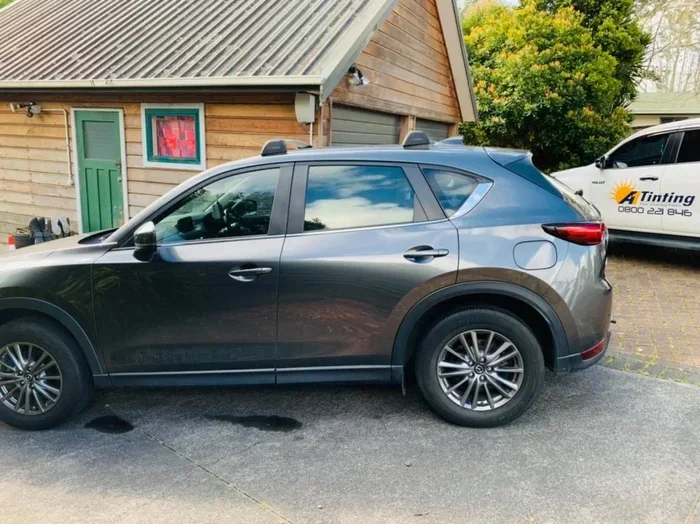
Mazda does not leave you guessing when it comes to window tint on the CX-5. The majority of trim levels include a factory tint on the rear side windows and the rear windshield. This is sometimes called privacy glass or shading glass. The front windshield and front side windows usually remain untinted. This is standard across most modern vehicles, and the CX-5 follows this pattern.
The factory tint is not just a dark film. It is actually built into the glass during manufacturing. This means it does not peel, bubble, or fade over time like aftermarket tint can. The tint is uniform and consistent across the glass surface. It also integrates with the heating elements on the rear window, so defrosting works perfectly.
How Dark Is the Factory Tint?
The factory tint on the Mazda CX-5 typically has a visible light transmission (VLT) of around 15 to 20 percent. This means it blocks 80 to 85 percent of light from entering through the rear windows. It is a medium shade that offers good privacy without making the rear of the car too dark. You can still see through the tinted windows from outside during the day.
The tint also provides a noticeable reduction in heat. On a sunny day, the interior of a CX-5 with factory tint will be cooler than a vehicle with clear rear windows. This is one of the practical benefits that many buyers overlook when they focus only on the look of the tint.
Understanding Factory Tinted Windows
How Factory Tint Differs from Aftermarket Tint
Factory tint and aftermarket tint are two very different things. Factory tint is baked into the glass at the manufacturing plant. It is a thin layer of dye or pigment embedded in the glass itself. Aftermarket tint, on the other hand, is a film that is applied to the outside or inside of the existing glass after you purchase the car.
Here is a quick comparison of the two:
- Durability: Factory tint lasts the lifetime of the vehicle. Aftermarket tint may bubble or peel over time.
- Appearance: Factory tint has a more uniform, natural look. Aftermarket tint can sometimes look uneven or have visible edges.
- Warranty: Factory tint comes with the vehicle warranty. Aftermarket tint usually has its own separate warranty from the installer.
- Cost: Factory tint is included in the price of the car. Aftermarket tint costs extra, typically between $100 and $400 depending on the quality.
If you are comparing the Mazda CX-5 to other compact SUVs like the Mazda CX-50, you will notice similar factory tint policies across the lineup. You can learn more about the differences between these models here.
The Science Behind Auto Tint
Window tint works by absorbing and reflecting solar energy. The tint film or embedded dye blocks a portion of the sun’s rays from passing through the glass. This reduces the amount of infrared radiation (heat) and ultraviolet radiation (UV) that enters your cabin.
Modern factory tints use advanced materials that block heat without darkening the glass too much. This is why you can still see clearly through the tinted windows of a CX-5. The technology has improved a lot over the years. Older cars often had very dark tints that made rear visibility nearly impossible. Today’s factory tints balance privacy, comfort, and visibility.
UV Protection and Health Benefits
One of the biggest benefits of Mazda CX-5 tinted windows is UV protection. The tint blocks a significant portion of UV-A and UV-B rays. These are the same rays that cause skin damage and increase the risk of skin cancer. If you spend a lot of time driving, especially on long road trips, this protection matters.
UV protection also helps preserve the interior of your car. The sun’s rays can fade your dashboard, seats, and carpet over time. Tinted windows slow down this process. Your CX-5’s interior will look newer for longer if the windows are tinted.
Tint Levels Across CX-5 Trim Levels
Base Trim: 2.5 S
The base 2.5 S trim of the Mazda CX-5 includes factory-tinted rear windows as standard. This is a great starting point. You get the privacy and heat rejection benefits right from the start without paying extra for a higher trim. The front side windows and windshield remain clear, which is standard across all trims.
Mid-Level Trims: 2.5 Preferred and 2.5 Premium
The mid-level trims also come with factory tint on the rear windows. There is no difference in tint darkness between the base and mid-level trims. What changes is the overall package of features you get. Higher trims may include additional comfort and technology upgrades, but the tint itself stays the same.
If you are interested in technology features, you might wonder about Apple CarPlay compatibility. The Mazda CX-30, a sibling model in the Mazda lineup, offers Apple CarPlay on most trims. You can check the details here.
Higher Trims and Special Editions
The top-tier trims and special editions of the CX-5 may offer additional features, but the factory tint on the rear windows remains consistent. Mazda does not offer different tint levels as a trim-specific option. The tint is the same across all CX-5 models. This is good news because it means you do not need to upgrade to a higher trim just to get tinted windows.
Benefits of Tinted Windows on the CX-5
Heat Rejection and Comfort
The Mazda CX-5 tinted windows help keep your cabin cooler. In hot climates, this makes a real difference. You spend less time blasting the air conditioning and more time enjoying a comfortable ride. The tint rejects a portion of solar heat before it enters the car. This means your AC does not have to work as hard, which can also improve fuel efficiency slightly.
Privacy and Security
Tinted windows give you and your passengers more privacy. People outside cannot easily see into your rear seats. This is especially useful if you carry valuables in the back. It also adds a layer of security. Thieves are less likely to target a vehicle where they cannot see what is inside.
Glare Reduction
Driving in bright sunlight can be distracting and dangerous. The factory tint reduces glare from the sun, especially on the rear windows. This helps you maintain better visibility and reduces eye strain on long drives. You will feel more comfortable behind the wheel on sunny days.
Interior Protection
As mentioned earlier, tinted windows protect your interior from sun damage. The dashboard, seats, and trim pieces all benefit from reduced UV exposure. Over time, this preservation can keep your CX-5 looking better and help maintain its resale value.
Aftermarket Tinting Options
When to Consider Adding Tint
Even though the CX-5 comes with factory tint on the rear windows, some owners want more. You might want darker tint on the front side windows. Or you might want a ceramic or carbon film for even better heat rejection. Aftermarket tinting gives you these options.
Common reasons people add aftermarket tint include:
- Wanting darker tint on the front side windows for more privacy
- Needing better heat rejection in very hot climates
- Preferring a specific tint color or finish
- Replacing old or worn aftermarket tint with a higher-quality film
Types of Aftermarket Tint Film
There are several types of tint film available on the market. Each has its own pros and cons. Here is a quick look at the most common options:
- Dyed Film: The most affordable option. It blocks light and provides basic UV protection. It may fade over time.
- Metalized Film: Contains tiny metal particles that reflect heat. It is more durable than dyed film but can interfere with cell phone signals.
- Carbon Film: A non-metallic option that does not interfere with electronics. It offers good heat rejection and a matte finish.
- Ceramic Film: The premium choice. It blocks the most heat and UV rays without interfering with electronics. It is also the most expensive.
If you are considering aftermarket tint, it helps to know how long it lasts. The lifespan of car tint varies by quality and installation. You can find a detailed guide on this topic here.
Cost of Aftermarket Tinting
Aftermarket tinting for a Mazda CX-5 typically costs between $100 and $400 for all rear windows. Ceramic and carbon films cost more, often in the $200 to $500 range. The price depends on the quality of the film, the shop you choose, and your location. Always go with a reputable installer to ensure a bubble-free, long-lasting application.
Quick Tips for Aftermarket Tinting
- Check your state’s tint laws before choosing a darkness level.
- Choose a film with a good warranty, usually 5 to 10 years.
- Avoid rolling down your windows for at least 3 to 5 days after installation.
- Clean the tinted windows with a soft cloth and non-ammonia cleaner.
- Ask about UV and heat rejection percentages when choosing a film.
Tint Laws and Regulations
Understanding VLT Percentages
Every state has laws governing how dark your car windows can be. These laws are based on VLT, or visible light transmission. The lower the VLT percentage, the darker the tint. For example, a 5 percent VLT tint is very dark, while a 70 percent VLT tint is barely noticeable.
The factory tint on the Mazda CX-5 rear windows typically falls within legal limits across all 50 states. However, if you add aftermarket tint to the front side windows, you need to be careful. Many states require the front side windows to have a VLT of 70 percent or higher.
State-by-State Variation
Tint laws vary significantly from state to state. Some states allow very dark tint on all windows. Others restrict tint darkness to 70 percent on the front windows. Here are some general guidelines:
- Front Windshield: Most states allow a non-reflective tint strip at the top of the windshield.
- Front Side Windows: Many states require 70 percent or higher VLT on the driver and passenger side windows.
- Rear Side Windows: Laws vary widely. Some states allow any darkness on rear side windows.
- Rear Windshield: Most states allow tinted rear windshields if the car has dual side mirrors.
Always check your local laws before tinting your windows. Getting pulled over for illegal tint is not worth the hassle or the fine.
Medical Exemptions
Some states offer medical exemptions for darker tint. If you or a passenger has a condition that makes you sensitive to sunlight, you may qualify for an exemption. This usually requires a doctor’s note and a special permit from your state’s DMV.
Does the Mazda CX-5’s Tint Affect Resale Value?
Tinted windows can have a positive effect on your CX-5’s resale value. Buyers often view factory-tinted windows as a premium feature. It signals that the vehicle has been well taken care of. The UV protection and interior preservation also add value because the car will look newer inside.
However, aftermarket tint can sometimes work against you. If the tint is old, bubbling, or too dark for the buyer’s taste, it could lower the perceived value. If you plan to sell your CX-5 in the future, consider keeping the factory tint and avoiding aftermarket changes unless you plan to keep the car long-term.
Common Mistakes to Avoid with Tinted Windows
Owning a Mazda CX-5 with tinted windows comes with some common pitfalls. Here are mistakes to avoid:
- Using Ammonia-Based Cleaners: These can degrade the tint film over time. Stick with ammonia-free glass cleaners.
- Ignoring Tint Laws: Even if you love dark tint, illegal tint can result in fines and forced removal.
- Skipping Quality Installation: Cheap tint and poor installation lead to bubbles, peeling, and poor heat rejection.
- Tinting Brand New Cars at a Shop: If your CX-5 already has factory tint on the rear windows, you may not need additional tint there.
- Forgetting About Warranty: Aftermarket tint can void certain dealer warranties if the installation causes damage. Always check with your dealer first.
Expert Insights on Mazda CX-5 Tinted Windows
From an automotive expert perspective, the factory tint on the Mazda CX-5 is a solid feature. It is durable, effective, and comes standard on nearly every trim. Most owners do not need to add aftermarket tint unless they want a specific look or extra heat rejection.
Experts also point out that the CX-5’s tinted windows work well with its overall design. The compact SUV body style means the rear windows are not overly large, so the factory tint provides a balanced look. It is dark enough for privacy but light enough to maintain visibility. This is a deliberate engineering choice by Mazda, and it works well.
If you are comparing the CX-5 to other vehicles in the compact SUV class, the tinted windows are a nice bonus. The feature is not unique to the CX-5, but it adds value when combined with all the other premium touches Mazda includes in this model.
Final Thoughts
The Mazda CX-5 does come with tinted windows, and that is a good thing. The factory tint on the rear side windows and rear windshield provides UV protection, heat rejection, privacy, and interior preservation. It is durable, built into the glass, and included at no extra cost across nearly all trim levels.
If you want more tint or different tint characteristics, aftermarket options are available. Just be mindful of tint laws, choose quality materials, and work with a reputable installer. Whether you are buying a new CX-5 or already own one, understanding your tinted windows helps you enjoy the vehicle more and protect your investment.
Take a moment to appreciate the thoughtful details Mazda has included in the CX-5. The tinted windows are just one example of how this popular compact SUV delivers value in both comfort and style. Drive safely, enjoy the shade, and make the most of your Mazda CX-5 experience.
Frequently Asked Questions
Do all Mazda CX-5 trims come with tinted windows?
Yes, most trims of the Mazda CX-5 include factory-tinted rear windows as standard. The front side windows and windshield are not tinted, which is typical for most vehicles on the road today.
Can I tint the front windows of my Mazda CX-5?
Yes, you can add aftermarket tint to the front side windows. However, you must follow your state’s tint laws. Many states require a minimum VLT percentage on front windows, so check local regulations before proceeding.
Does the Mazda CX-5 tinted windows block UV rays?
Yes, the factory tint on the CX-5 blocks a significant portion of UV-A and UV-B rays. This protects your skin and helps preserve the interior of your vehicle from sun damage.
How long does the factory tint on a Mazda CX-5 last?
Factory tint is built into the glass and lasts the lifetime of the vehicle. Unlike aftermarket tint, it will not bubble, peel, or fade over time.
Is it legal to have tinted windows on a Mazda CX-5 in all states?
The factory tint on the CX-5 is legal in all 50 states. However, if you add aftermarket tint, you must ensure it meets your state’s specific tint darkness and reflectivity requirements.
Will tinted windows on my CX-5 affect my insurance?
Tinted windows generally do not affect your car insurance rates. However, some insurers may ask about aftermarket modifications. Always disclose any tint changes to your provider to avoid issues with your policy.
=== CONCLUSION ===
The Mazda CX-5 comes with tinted windows on most trims, and this is a feature that adds real value to the vehicle. From UV protection to heat rejection and privacy, the factory tint does more than just look good. It enhances your daily driving experience in practical ways. Whether you are shopping for a new CX-5 or already own one, understanding your tinted windows helps you make informed decisions about maintenance, aftermarket upgrades, and compliance with local laws.
Remember, the factory tint is durable and built to last. If you want more, aftermarket options give you flexibility. Just stay within legal limits and choose quality materials. Your Mazda CX-5 tinted windows are a small feature that makes a big difference. Enjoy the drive.