How Do I Manually Turn Off My Check Engine Light Easily
Manually turning off your check engine light is possible with the right approach. You can use an OBD-II scanner, fix the underlying issue, or try a few simple tricks at home. This guide walks you through every method clearly and safely so you can get back on the road with confidence.
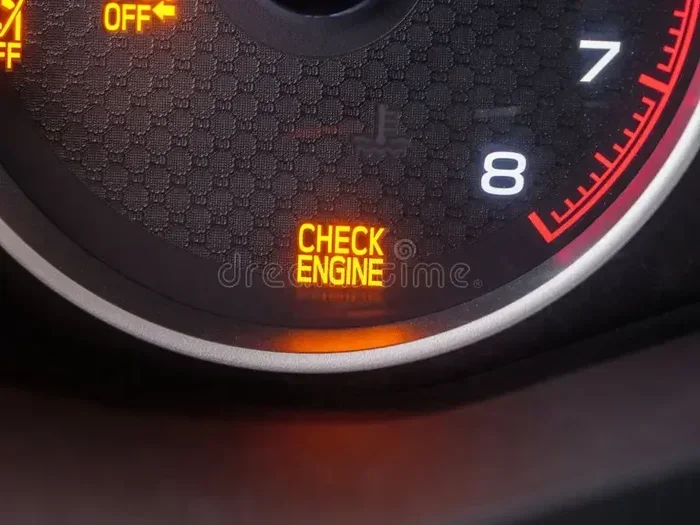
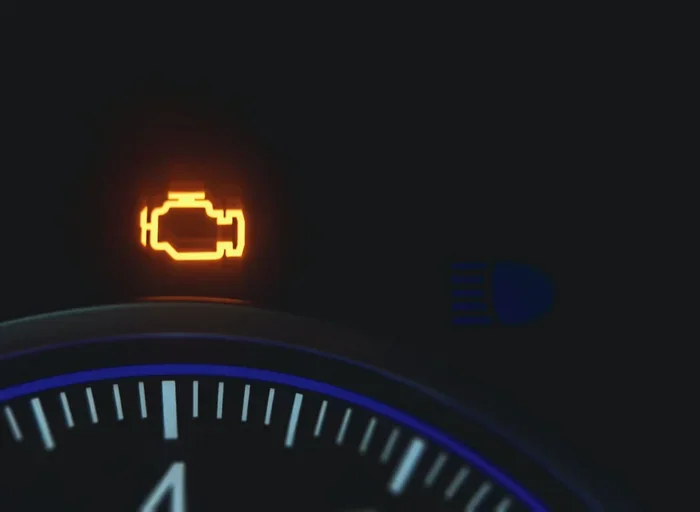
That little yellow engine icon on your dashboard can send a wave of panic through anyone. You are driving along, minding your own business, and suddenly the check engine light pops on. Your first thought might be, “How do I manually turn off my check engine light?” The good news is that you have several options. Some are quick and easy, while others require a bit more effort. In this guide, we will walk you through every method step by step. You will learn what triggers the light, how to read the codes, and how to reset it safely.
Before you do anything, it is important to understand that the check engine light is your vehicle’s way of telling you something needs attention. It is part of your car’s onboard diagnostics system. This system monitors dozens of sensors and components to keep your engine running smoothly. When something goes wrong, the system stores a fault code and illuminates the warning light on your dashboard. The key is to find out what caused the issue and fix it properly.
This article covers everything from simple DIY fixes to using diagnostic tools. Whether you are dealing with a loose gas cap or a more serious engine misfire, we have you covered. We will also share common mistakes to avoid so you do not end up making things worse. Let us dive in and take control of that annoying dashboard light.
Key Takeaways
- Multiple methods exist: You can reset the light using an OBD-II scanner, disconnect the battery, or fix the root cause.
- Address the root cause first: Simply clearing the light without fixing the problem will cause it to return quickly.
- Safety matters: Never ignore a flashing check engine light, as it may signal a serious issue.
- Auto parts stores can help: Many stores like AutoZone will read your codes for free.
- Permanent vs. temporary fixes: Some resets clear codes temporarily, while fixing the actual problem provides a lasting solution.
- Keep your gas cap tight: A loose gas cap is one of the most common reasons for the check engine light to come on.
📑 Table of Contents
- Understanding Why Your Check Engine Light Comes On
- Method 1: Use an OBD-II Scanner to Reset the Light
- Method 2: Fix the Root Cause First
- Method 3: Disconnect the Battery to Reset the Light
- What Happens If You Ignore the Check Engine Light?
- Can You Drive With the Check Engine Light On?
- When to See a Professional Mechanic
- Common Mistakes People Make When Trying to Turn Off the Light
- Quick Tips for Preventing the Check Engine Light
- Expert Insights on Check Engine Light Resets
- Frequently Asked Questions
- Final Thoughts
Understanding Why Your Check Engine Light Comes On
The check engine light is part of your vehicle’s emission control system. It activates when the car’s computer detects a problem it cannot resolve on its own. The light can show up for many different reasons. Some are minor and easy to fix. Others may point to a deeper issue that needs professional attention.
Common Reasons the Light Turns On
Here are some of the most common triggers for the dashboard warning light:
- Loose or faulty gas cap: A loose gas cap can cause vapor leaks, which trigger the emission system warning.
- Faulty oxygen sensor: This sensor measures unburned oxygen in your exhaust. When it fails, fuel efficiency drops.
- Catalytic converter issues: A failing catalytic converter affects your car’s emission performance.
- Worn spark plugs: Old or damaged spark plugs can cause an engine misfire and illuminate the light.
- Mass airflow sensor problems: This sensor measures the air entering your engine. Dirt or damage can throw it off.
- Emission system faults: Any issue in the emission system can trigger the engine warning light.
Knowing what triggered the light helps you decide the best course of action. Sometimes the fix is as simple as tightening your gas cap. Other times, you may need a diagnostic trouble code reader to pinpoint the exact problem.
Method 1: Use an OBD-II Scanner to Reset the Light
The most reliable way to manually turn off your check engine light is by using an OBD-II scanner. This tool plugs directly into your car’s diagnostic port and reads the stored fault codes. Once you know the codes, you can clear them and reset the light. This method gives you control without visiting a mechanic.
How to Use an OBD-II Scanner
Follow these simple steps to reset your light using a scanner:
- Locate your car’s OBD-II port. It is usually under the dashboard on the driver’s side.
- Plug the scanner into the port. It should click into place securely.
- Turn the ignition to the “on” position without starting the engine.
- Follow the scanner’s prompts to read the stored codes.
- Write down the codes so you can look them up later.
- Select the option to clear the codes and reset the light.
- Turn off the ignition and wait a few minutes before restarting.
Many auto parts stores will let you borrow a scanner for free. You can also buy a basic OBD-II scanner for under $50. If you prefer, you can visit a store like AutoZone, where they can read your codes for you. Can AutoZone check your check engine light? Yes, they offer free code reading at most locations.
What the Codes Mean
Each fault code starts with a letter followed by four numbers. For example, P0301 means a misfire in cylinder one. The letter tells you the system affected:
- P: Powertrain (engine and transmission)
- B: Body (air conditioning, airbags)
- C: Chassis (brakes, suspension)
- U: Network communication (computer systems)
Once you clear the codes, the check engine light should turn off. However, if the underlying problem is not fixed, the light will come back on within a few driving cycles.
Method 2: Fix the Root Cause First
The best way to permanently turn off your check engine light is to fix the actual problem. Clearing the codes without addressing the issue is only a temporary solution. Your car’s computer will detect the problem again and reactivate the light. This is why understanding the fault code matters so much.
Simple Fixes You Can Do Yourself
Some causes of the engine warning light are easy to fix at home:
- Tighten your gas cap: A loose gas cap is the number one reason the light comes on. Simply unscrew it, wait a few seconds, and screw it back on tightly.
- Replace worn spark plugs: Old spark plugs cause engine misfires and poor performance. Replacing them is inexpensive and straightforward.
- Check your air filter: A dirty air filter restricts airflow and can trigger emission-related codes.
- Inspect vacuum hoses: Cracked or loose vacuum hoses can cause leaks that set off the check engine light.
After fixing the issue, you can use your OBD-II scanner to clear the codes. The light should stay off as long as the problem is resolved.
Method 3: Disconnect the Battery to Reset the Light
Another way to manually turn off your check engine light is by disconnecting your car battery. This method resets the car’s computer and clears stored codes. It works well for temporary resets but does not fix the underlying issue.
Step-by-Step Battery Disconnect
Here is how to do it safely:
- Turn off your engine and all electrical accessories.
- Open the hood and locate the negative battery terminal.
- Use a wrench to loosen the nut on the negative cable.
- Carefully remove the cable from the terminal.
- Wait at least 15 minutes. This allows the computer to fully reset.
- Reconnect the cable and tighten the nut securely.
- Start the engine and check if the light is off.
Quick Tip: Some cars may need a few driving cycles after a battery disconnect for the computer to relearn settings. Drive gently for the first few miles after reconnecting the battery.
Keep in mind that disconnecting the battery may also reset other settings, such as your radio presets and clock. You will need to reprogram those after reconnecting. Also, some modern vehicles may require a special reset procedure after a battery disconnect.
What Happens If You Ignore the Check Engine Light?
It can be tempting to ignore the check engine light and hope it goes away. But doing so can lead to bigger problems down the road. The light is there for a reason, and ignoring it can cost you more money in the long run.
Risks of Ignoring the Warning
- Reduced fuel efficiency: Many issues that trigger the light cause your engine to burn more fuel than it should.
- Increased emissions: A problem with your emission system means your car is polluting more than normal.
- Engine damage: Issues like a misfire or faulty sensor can cause long-term damage if left unaddressed.
- Failed emissions test: Your car will likely fail an emissions inspection with an active check engine light.
- Expensive repairs: Small problems become big, costly repairs when you ignore the warning signs.
If your check engine light is flashing rather than staying solid, pull over safely and get your car towed. A flashing light usually indicates a severe problem, such as a misfire that can damage the catalytic converter. Can you drive with the check engine light on? In some cases yes, but a flashing light is a different story and requires immediate attention.
Can You Drive With the Check Engine Light On?
This is one of the most common questions car owners ask. The answer depends on what triggered the light in the first place. If the light is solid and not flashing, you can usually drive a short distance to a repair shop or auto parts store. However, you should not ignore it or drive long distances with the light on.
If the light is flashing, you should stop driving immediately. A flashing check engine light signals a serious problem that could damage your engine or emission system. In this case, you should call for roadside assistance or have your car towed to a trusted mechanic.
Some people also wonder about driving without the key fob or other related Toyota-specific concerns. While those topics are different from the check engine light, they highlight how important it is to understand your vehicle’s warning systems.
When to See a Professional Mechanic
While many check engine light issues can be handled at home, some problems require a professional touch. You should see a mechanic if:
- The light comes on and you cannot identify the cause.
- You have tried clearing the codes, but the light returns immediately.
- Your car is showing other symptoms, such as strange noises, vibrations, or reduced power.
- The light is flashing, indicating a serious issue.
- You are not comfortable working on your car’s electrical or engine systems.
A professional mechanic has access to advanced diagnostic tools and years of experience. They can quickly identify the problem and recommend the right repair. Sometimes a simple fix, like replacing a sensor, can resolve the issue and turn off the light for good.
Can you clear the engine management light? Yes, but only after the underlying problem has been addressed. This is a common point of confusion for many car owners. The engine management light is essentially the same as the check engine light, and it follows the same reset principles.
Common Mistakes People Make When Trying to Turn Off the Light
Many people make avoidable mistakes when dealing with their check engine light. Here are the most common ones:
- Ignoring the light: Hoping it will go away on its own almost never works. The problem will persist and often worsen.
- Using a cheap scanner incorrectly: Not all scanners are created equal. Cheap ones may not read all codes or clear them properly.
- Clearing codes without fixing the problem: This is the biggest mistake. The light will return, and you will have wasted time.
- Disconnecting the battery on a modern car: Some newer vehicles may lose important settings or require recalibration after a battery disconnect.
- Driving with a flashing light: This can cause severe and expensive engine damage if you continue to drive.
Avoiding these mistakes will save you time, money, and frustration. Always address the root cause before attempting to reset the light.
Quick Tips for Preventing the Check Engine Light
Prevention is always better than cure. Here are some simple tips to help keep your check engine light off:
- Check your gas cap regularly: Make sure it is tight and in good condition.
- Follow your maintenance schedule: Regular oil changes, spark plug replacements, and air filter checks go a long way.
- Use the right fuel: Always use the fuel grade recommended by your vehicle manufacturer.
- Address small issues early: Do not wait for a small problem to become a big one.
- Keep your emission system in check: Regular inspections can catch problems before they trigger the light.
Taking care of your vehicle with regular vehicle maintenance is the best way to prevent unexpected warning lights. A well-maintained car runs better, lasts longer, and stays reliable on the road.
Expert Insights on Check Engine Light Resets
Automotive experts agree that the check engine light should never be ignored. According to certified mechanics, the most common cause of a returning light after a reset is an unresolved fault code. The car’s computer continuously monitors your engine and emission systems. If the problem is still present, it will flag the light again within a few driving cycles.
Experts also recommend keeping a basic OBD-II scanner in your glove box. These tools are affordable and can save you hundreds of dollars in diagnostic fees. Knowing your fault codes ahead of time also helps you communicate more effectively with your mechanic.
One more expert tip: do not rely on quick-fix devices that claim to turn off the light permanently without fixing the problem. These devices simply mask the codes and do not address the root cause. They can also cause your car to fail emissions tests and may even damage your engine over time.
Frequently Asked Questions
Can I drive my car with the check engine light on?
You can drive a short distance if the light is solid and not flashing. However, a flashing light means you should stop driving immediately and get your car towed. Always have the light checked as soon as possible to avoid further damage.
Will disconnecting the battery permanently turn off the check engine light?
No, disconnecting the battery only provides a temporary reset. If the underlying problem is not fixed, the light will come back on after a few driving cycles. Always diagnose and repair the issue first.
How much does it cost to fix the check engine light?
The cost varies widely depending on the cause. A loose gas cap costs nothing to fix, while a catalytic converter replacement can cost several hundred dollars. Getting the fault codes read first helps you understand the repair cost.
Can AutoZone turn off my check engine light?
AutoZone can read your fault codes for free at most locations. They can also help you clear the codes if the issue has been resolved. However, they cannot repair the underlying problem for you.
How long does it take for the check engine light to turn off after fixing the problem?
After fixing the issue and clearing the codes, the light usually turns off within a few driving cycles. This can take anywhere from one to three days of normal driving, depending on your vehicle.
Is it safe to use an OBD-II scanner myself?
Yes, using an OBD-II scanner is completely safe and straightforward. Just plug it into the diagnostic port, follow the on-screen instructions, and read the codes carefully. It is one of the easiest DIY car maintenance tasks you can do.
Final Thoughts
Turning off your check engine light manually is something you can absolutely do at home. Whether you use an OBD-II scanner, fix a simple issue like a loose gas cap, or disconnect your battery, the key is to address the root cause first. Clearing the codes without fixing the problem will only lead to the light coming back on again.
Remember that your check engine light is your car’s way of communicating with you. It is not something to fear, but rather a tool that helps you catch problems early. By staying proactive with your vehicle maintenance and responding quickly when the light comes on, you can keep your car running smoothly for years to come.
Take the time to understand your fault codes, invest in a good scanner, and do not be afraid to seek professional help when needed. A little knowledge and attention can save you from costly repairs and keep you safe on the road. Your car is counting on you to pay attention when it speaks up, and now you have the tools to respond confidently.