Maryland Window Tint Law Explained and What It Means
Maryland window tint law sets clear rules for how dark or reflective your car windows can be. The state regulates tint darkness by Visible Light Transmission (VLT) percentage for each window. Understanding these rules helps you avoid costly fines and stay compliant with the Maryland MVA.
Key Takeaways
- Front side windows must allow more than 35% VLT in most passenger vehicles.
- Rear windows and rear windshield can be tinted darker as long as dual side mirrors are present.
- Medical exemptions are available for individuals with specific health conditions that require sun protection.
- Tint violations can cost between $100 and $500 depending on the severity and number of offenses.
- Reflective or mirror-like tint is prohibited on front and back side windows in Maryland.
- A tint certificate from the installer is required and must be kept in the vehicle.
- SUVs and vans have slightly different rules compared to sedans and passenger cars.
📑 Table of Contents
- Maryland Window Tint Law Explained: What Every Car Owner Needs to Know
- Understanding the Basics of Maryland Window Tint Regulations
- Legal Tint Limits for Each Vehicle Window
- Medical Exemptions and Special Permits
- Tint Violations and Penalties in Maryland
- How to Choose the Right Tint for Your Vehicle
- Staying Compliant and Avoiding Tint Trouble
- Conclusion
Maryland Window Tint Law Explained: What Every Car Owner Needs to Know
Tinting your car windows feels like a simple upgrade. You want less glare, less heat, and more privacy. But in Maryland, the rules around Maryland window tint law are not as straightforward as you might think. The state has specific regulations that dictate how dark your tint can be, which windows can be tinted, and what happens if you break the rules.
Whether you are buying a new tint job or already have one on your car, understanding the legal tint Maryland requirements is essential. Getting it wrong can lead to expensive fines, failed inspections, and even having to remove your tint entirely. This guide breaks down everything you need to know in plain, simple terms.
We will walk through the legal limits for each window, explain the medical exemption process, and share practical tips to keep you on the right side of the law. By the end, you will feel confident about your tint choices and know exactly what the state expects.
Understanding the Basics of Maryland Window Tint Regulations
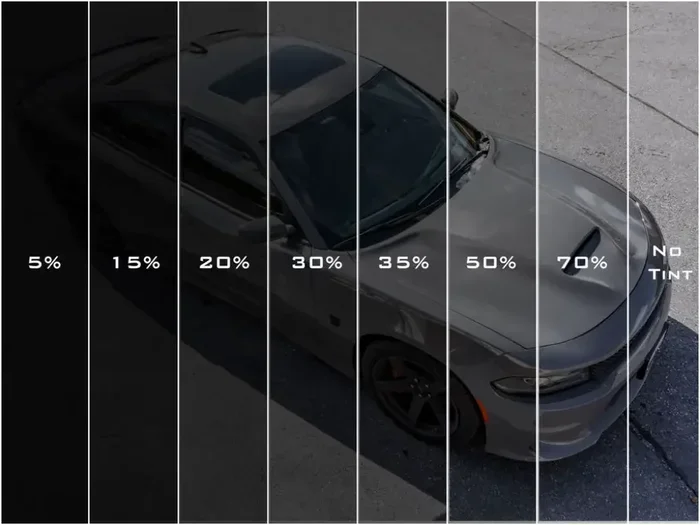
The Maryland window tint law is governed by the state vehicle code. It uses a measurement called Visible Light Transmission, or VLT, to determine how much light can pass through your window film. The lower the VLT percentage, the darker the tint. The higher the percentage, the more light gets through.
Here is a quick way to think about it. If your window tint has a VLT of 35%, that means 35% of visible light passes through the glass. The rest is blocked. Maryland law sets different VLT limits depending on the type of vehicle and which window you are tinting.
Why VLT Matters for Legal Compliance
VLT is the single most important factor in tint darkness limits. The Maryland Motor Vehicle Administration (MVA) uses VLT measurements to determine whether your tint is legal during inspections. If your tint falls below the allowed percentage, you will be cited.
It is also worth noting that VLT is measured with the tint film applied. Not the bare glass. So even if your windows are naturally clear, the film you apply changes the VLT number. This is why choosing the right film matters so much.
Types of Window Tint Film
Not all tint films are the same. Here are the most common types available at tint shops Maryland drivers visit:
- Dyed film – The most affordable option. It reduces glare and heat but can fade over time.
- Metalized film – Contains tiny metallic particles. It blocks more heat and is more durable. However, it can interfere with electronic signals.
- Carbon film – Offers excellent heat rejection without a metallic look. It does not fade easily.
- Ceramic film – The premium choice. It blocks heat effectively, does not interfere with electronics, and provides UV protection.
Each type has its pros and cons. But regardless of the film type, you still must follow the Maryland tint regulations for VLT levels and reflectivity.
Legal Tint Limits for Each Vehicle Window
The legal tint Maryland rules differ based on the type of vehicle and the specific window. Let us break it down window by window so you know exactly what is allowed.
Passenger Cars (Sedans)
For standard passenger cars, the rules are as follows:
- Front windshield: Tint is allowed on the top 5 inches only. This strip must be non-reflective.
- Front side windows: Must allow more than 35% VLT. This is the strictest rule in Maryland.
- Back side windows: Can be any darkness level. There is no VLT minimum for rear side windows.
- Rear windshield: Can be any darkness level. However, you must have dual side mirrors if the rear window is tinted.
SUVs and Vans
Larger vehicles like SUVs and vans follow similar rules but with a few differences:
- Front windshield: Same as passenger cars. Top 5 inches only, non-reflective.
- Front side windows: Must allow more than 35% VLT.
- Back side windows: Can be any darkness.
- Rear windshield: Can be any darkness. Dual mirrors required if tinted.
Comparison Table: Legal Tint Limits in Maryland
| Vehicle Type | Window | Legal VLT Limit | Reflectivity Allowed |
|---|---|---|---|
| Passenger Car | Front Windshield | Top 5 inches only, non-reflective | No |
| Passenger Car | Front Side Windows | More than 35% VLT | No |
| Passenger Car | Back Side Windows | Any darkness | No |
| Passenger Car | Rear Windshield | Any darkness | No |
| SUV / Van | Front Windshield | Top 5 inches only, non-reflective | No |
| SUV / Van | Front Side Windows | More than 35% VLT | No |
| SUV / Van | Back Side Windows | Any darkness | No |
| SUV / Van | Rear Windshield | Any darkness | No |
One thing that stands out is that reflective tint is not allowed on any side window in Maryland. The state prohibits mirror-like or metallic finishes on front and back side windows. This rule is in place because reflective tint can blind other drivers, especially at night.
Medical Exemptions and Special Permits
Maryland does allow for medical exemptions when it comes to tinted windows Maryland. If you or a family member has a condition that makes you sensitive to sunlight, you may qualify for darker tint than the standard limits allow.
Who Qualifies for a Medical Exemption?
Certain medical conditions can make a person extremely sensitive to UV light. These include:
- Lupus and other autoimmune disorders
- Severe sun allergies or photosensitivity
- Skin cancer or a history of skin cancer
- Albinism or other conditions affecting pigmentation
- Chronic eye conditions that require reduced light exposure
How to Apply for a Medical Exemption
The process is straightforward but requires documentation:
- Get a signed letter from your physician explaining your condition and the need for darker tint.
- Complete the Maryland MVA medical exemption application form.
- Submit both documents to the MVA for review.
- If approved, you will receive a special permit that must be displayed in your vehicle.
Keep in mind that even with an exemption, there are still limits. The MVA may approve tint that is darker than the standard 35% VLT for front side windows, but there are still rules you must follow. Always carry your exemption documentation in the vehicle.
Renewing Your Exemption
Medical exemptions are not permanent. They typically need to be renewed every few years. Check with the Maryland MVA for the current renewal timeline and requirements. Staying current with your exemption prevents any issues during routine inspections or traffic stops.
Tint Violations and Penalties in Maryland
So what happens if you get caught with illegal tint in Maryland? The consequences are real and can add up quickly.
Common Tint Violations
The most common window tint ticket Maryland offenses include:
- Front side windows tinted darker than the 35% VLT limit.
- Reflective or mirror-like tint on side windows.
- Tint on the front windshield outside the top 5-inch strip.
- Missing or expired tint certificate in the vehicle.
- Tint that has bubbled, cracked, or deteriorated beyond legal standards.
Fines and Consequences
The penalties for violating Maryland tint law can include:
- First offense: Typically a fine ranging from $100 to $250.
- Repeat offenses: Fines can increase up to $500 or more.
- Vehicle inspection failure: Your car will not pass the annual safety inspection until the tint is brought into compliance.
- Mandatory removal: In serious cases, you may be required to remove the tint entirely at your own expense.
These fines are not just about money. A citation for illegal tint can also add points to your driving record in some cases. That is why it is always better to be safe and make sure your tint is legal from the start.
How Police Check Tint Compliance
Maryland law enforcement uses handheld tint meters to measure the VLT of your windows during traffic stops or inspections. These devices give an instant reading. If the reading is below the legal limit, you will be cited. There is no warning first. The measurement is what matters.
Expert Insight
Many drivers do not realize that tint darkness can vary across different windows on the same vehicle. Some shops apply slightly different film shades to different windows for aesthetic reasons. While this might look nice, it can put you out of compliance. Always ask your tint installer Maryland to confirm the VLT of every window they tint.
How to Choose the Right Tint for Your Vehicle
Now that you know the rules, the next question is: how do you choose the right tint? There is more to consider than just darkness.
Consider Your Tint Goals
Think about why you want tint in the first place. Are you looking for heat reduction, UV protection, glare reduction, or privacy? Different tint films serve different purposes.
- Heat rejection: Ceramic and carbon films work best. They can reduce interior temperatures significantly.
- UV protection: Most quality films block 99% of harmful UV rays. This protects your skin and your car’s interior.
- Glare reduction: Dyed and metalized films are effective for reducing sun glare while driving.
- Privacy: Darker tints provide more privacy, but remember the front side windows must stay above 35% VLT.
Choosing the Right VLT Level
For legal tint Maryland compliance on front side windows, aim for a VLT of 35% or higher. Many drivers choose a 35% or 50% tint for a balanced look. This gives you the benefits of tint without crossing the legal line.
For rear windows, you have more freedom. Some drivers prefer a 5% tint (often called “limo tint”) for maximum privacy. Others go with 20% or 35% for a subtler look. Just remember that if your rear windows are heavily tinted, you need dual side mirrors.
Working with a Reputable Tint Shop
Choosing the right tint shop Maryland is just as important as choosing the right film. Here are some tips:
- Look for shops that are familiar with Maryland tint regulations.
- Ask for a written warranty on the film and installation.
- Request a tint certificate after installation. This document proves your tint is legal.
- Read reviews and ask for recommendations from friends or online communities.
- Avoid shops that promise “we can make it as dark as you want.” They may be cutting corners and putting you at risk.
Quick Tips for a Smooth Tinting Experience
Here are some practical tips to keep in mind before and after your tint job:
- Wait 3 to 5 days before rolling down your windows after installation. This lets the film cure properly.
- Clean your windows with a soft cloth and ammonia-free cleaner. Harsh chemicals can damage the film.
- Keep your tint certificate in your glove box at all times. You may need to show it during an inspection or traffic stop.
- Inspect your tint regularly for bubbling, peeling, or fading. Damaged tint may not pass inspection.
- Know your state’s rules before traveling out of state. Different states have different tint laws.
Common Mistakes to Avoid
Even well-meaning car owners make mistakes when it comes to window tint. Here are the most common ones:
- Assuming all tint shops know the law. Always confirm the VLT of the film they plan to apply. Do not take chances.
- Tinting front side windows too dark. This is the number one reason drivers get cited. Stick to 35% VLT or higher on front side windows.
- Forgetting about the rearview mirror. If your rear window is tinted, you must have dual side mirrors. Without them, you are in violation.
- Using aftermarket tint that is not certified. Maryland requires a tint certificate from the installer. Uncertified tint can cause problems during inspections.
- Ignoring the front windshield rules. Tinting anywhere other than the top 5 inches of the front windshield is illegal in Maryland.
Staying Compliant and Avoiding Tint Trouble
The best way to avoid issues with Maryland window tint law is to stay informed. Laws can change, and what was legal five years ago may not be legal today. Regularly check the Maryland MVA website or consult with a trusted local tint shop for the most current regulations.
If you are buying a used car with existing tint, have the VLT measured before you drive off. You might be surprised at how dark some factory tints or previous installations are. It is better to know upfront than to get pulled over and cited.
Also, keep in mind that Maryland tint regulations apply to all registered vehicles in the state. This includes cars, trucks, SUVs, and vans. Commercial vehicles may have additional rules, so always check with the MVA if you are unsure.
Finally, remember that window tint is not just about style. It is about safety. Proper tint reduces glare, protects against UV rays, and can even help keep your car cooler in the summer. When you follow the law and choose quality film, you get all the benefits without the risks.
Take the time to understand the rules. Work with a reputable installer. Keep your documentation in order. And you will enjoy your tinted windows with peace of mind, knowing you are fully compliant with Maryland window tint law.
Conclusion
Understanding the Maryland window tint law does not have to be complicated. The key is knowing the VLT limits for each window, respecting the rules around reflectivity, and staying up to date with any changes in the law. Whether you are tinting a brand new car or re-tinting an older one, the information in this guide gives you everything you need to stay legal.
Remember the basics. Front side windows must be above 35% VLT. The front windshield can only have a non-reflective strip on the top 5 inches. Rear windows can be any darkness as long as you have dual mirrors. And if you need a medical exemption, the MVA has a clear process to follow.
By following these guidelines, you protect yourself from fines, keep your vehicle inspection-ready, and enjoy the benefits of quality window tint. Stay informed, stay compliant, and enjoy the ride.
Frequently Asked Questions
What is the legal tint darkness for front side windows in Maryland?
In Maryland, front side windows on passenger vehicles must allow more than 35% of visible light to pass through. This means the VLT must be above 35%. Tinting your front side windows darker than this limit will result in a violation and potential fine.
Can I tint my front windshield in Maryland?
Yes, but only the top 5 inches of the front windshield can be tinted. The tint must be non-reflective. Any tint below the AS-1 line on the windshield is illegal and will not pass inspection.
Do I need a tint certificate in Maryland?
Yes. Maryland requires that your tint installer provide you with a tint certificate. This document proves that your window film meets the state’s VLT requirements. You should keep this certificate in your vehicle at all times.
What is the fine for illegal window tint in Maryland?
Fines for illegal tint in Maryland can range from $100 to $250 for a first offense. Repeat violations can result in higher fines, up to $500 or more. You may also be required to remove the tint before your vehicle can pass inspection.
Can I get a darker tint with a medical exemption in Maryland?
Yes. Maryland allows medical exemptions for individuals with conditions that require increased sun protection. You will need a signed physician’s letter and an application submitted to the Maryland MVA. Once approved, you may tint your front side windows darker than the standard 35% VLT limit.
Are there different tint rules for SUVs and vans in Maryland?
The VLT limits for front side windows are the same for SUVs and vans as they are for passenger cars. However, rear windows on any vehicle type can be tinted to any darkness, as long as dual side mirrors are present when the rear window is tinted.