How Much Is BMW Timing Chain Replacement Cost Explained
The BMW timing chain replacement cost typically ranges from $1,500 to $3,500 depending on your model, engine type, and labor rates. Most BMW owners pay around $2,200 for a full timing chain kit swap including the tensioner and guides. Catching timing chain problems early can save you hundreds and prevent catastrophic engine damage.
Key Takeaways
- Average Cost Range: BMW timing chain replacement runs between $1,500 and $3,500 at most independent shops and dealerships.
- Model Matters: N20 and N55 engines are notorious for timing chain issues, driving up repair frequency and cost.
- Parts vs. Labor: The timing chain kit itself costs $300 to $800, while labor takes up 60 to 70 percent of the total bill.
- DIY Is Possible: Experienced DIYers can save significantly by doing the job themselves, but it requires specialized tools.
- Delaying Repairs Is Expensive: Ignoring timing chain symptoms can lead to engine failure costing $5,000 or more.
- Check Oil Regularly: Low or degraded oil accelerates timing chain wear, so staying on top of oil changes helps prevent costly repairs.
📑 Table of Contents
- How Much Is BMW Timing Chain Replacement Cost?
- What Does a BMW Timing Chain Do?
- BMW Timing Chain Replacement Cost Breakdown
- Which BMW Models Are Most Prone to Timing Chain Issues?
- Signs Your BMW Timing Chain Needs Replacement
- Factors That Influence BMW Timing Chain Replacement Cost
- Can You Save Money on BMW Timing Chain Replacement?
- BMW Timing Chain Replacement: Is It Worth It?
- Final Thoughts on BMW Timing Chain Replacement Cost
How Much Is BMW Timing Chain Replacement Cost?
If you own a BMW, you have probably heard the dread associated with timing chain problems. The BMW timing chain replacement cost can hit your wallet hard, and understanding what drives that price is the first step toward making smart decisions. This guide breaks down every cost factor so you know exactly what to expect before walking into a shop.
Timing chains are the unsung heroes of your engine. They keep the crankshaft and camshafts synchronized so your valves open and close at the right time. When the chain stretches or the tensioner fails, things go wrong fast. The good news? You can manage the cost if you understand what you are paying for. Let us dive in.
What Does a BMW Timing Chain Do?
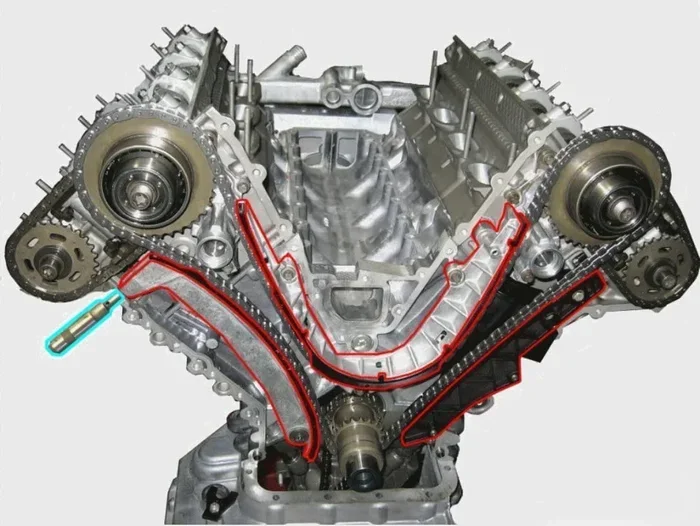
Before we talk about cost, it helps to understand what the timing chain actually does. Think of it as the backbone of your engine’s engine timing system. It connects the crankshaft to the camshafts and ensures everything moves in perfect harmony. Without it, your engine simply would not run.
BMW uses timing chains rather than timing belts in most of its modern engines. Chains are generally more durable, but they are not invincible. Over time, the chain can stretch, the guides can wear out, and the tensioner can fail. When any of these components go bad, you are looking at a BMW timing chain repair that can cost a pretty penny.
Timing Chain vs. Timing Belt
Some BMW models and other manufacturers use timing belts instead of chains. Belts are quieter and cheaper to replace, but they need more frequent service. Chains last longer but cost more when they do fail. Here is a quick comparison:
- Timing Chain: More durable, louder, higher replacement cost, found in most modern BMW engines.
- Timing Belt: Quieter, cheaper to replace, needs replacement every 60,000 to 100,000 miles.
If your BMW has a chain, staying on top of BMW maintenance schedule items like oil changes is critical. Dirty or low oil accelerates chain wear significantly.
BMW Timing Chain Replacement Cost Breakdown
The BMW timing chain replacement cost is not a single number. It depends on several factors that we will walk through below. Understanding the breakdown helps you avoid surprises and negotiate confidently with your mechanic.
Parts Cost
The timing chain kit includes the chain itself, tensioner, guides, and sometimes the sprockets. A complete kit typically costs between $300 and $800 for parts alone. Here is what you are paying for:
- Timing Chain: $100 to $300 depending on the BMW model.
- Tensioner: $50 to $150.
- Guides: $50 to $200 for a set.
- Sprockets (if needed): $100 to $250 each.
OEM BMW parts cost more than aftermarket alternatives, but they offer better fit and reliability. For engines like the BMW N20 timing chain setup, the parts alone can push toward the higher end of the range.
Labor Cost
Labor is where the real expense lives. Replacing a BMW timing chain is a complex job that requires removing the engine cover, valve cover, and sometimes the front of the engine. A qualified mechanic typically spends between 8 and 15 hours on the job.
At an average labor rate of $100 to $150 per hour, you are looking at $800 to $2,250 in labor costs alone. Dealerships tend to charge on the higher end, while independent BMW specialists offer more competitive rates.
Total Cost Summary
Here is a realistic look at what you will pay overall:
- Budget Range: $1,500 to $2,000 at an independent shop.
- Mid-Range: $2,200 to $2,800 at a quality independent specialist.
- Dealership Range: $2,800 to $3,500 or more.
These numbers reflect the typical BMW repair cost for a standard timing chain replacement on engines like the N20, N55, and B48. Your actual cost may vary based on your specific model, location, and the extent of the damage.
Which BMW Models Are Most Prone to Timing Chain Issues?
Not all BMWs are created equal when it comes to timing chain reliability. Some models have a well-documented history of timing chain problems, which drives up both the frequency of repairs and the cost over time.
N20 Engine (2011-2017)
The BMW N20 engine is one of the most common culprits for timing chain issues. This 2.0-liter turbocharged four-cylinder powered many 3 Series and 5 Series models during its production run. The chain stretch problem in the N20 is well known in the BMW community.
If you own an N20-equipped BMW, budgeting for a timing chain replacement around the 80,000 to 100,000 mile mark is a smart move. The BMW N20 timing chain recall and service campaigns by BMW also mean some repairs may be covered under warranty if your car is still within the window.
N55 Engine (2009-2016)
The N55 is BMW’s twin-turbo inline-six and it also has a reputation for timing chain wear. The N55 engine was used in the 335i, 535i, X5, and X6 models. Timing chain replacement on the N55 follows a similar cost pattern to the N20.
B48 Engine (2014-Present)
The newer B48 engine has addressed many of the timing chain issues found in the N20. However, it is still a chain-driven system and will eventually need service. Early reports suggest the B48 is more reliable, but long-term data is still coming in.
Signs Your BMW Timing Chain Needs Replacement
Catching timing chain problems early can save you a lot of money and prevent engine damage. Here are the most common timing chain symptoms to watch for:
- Rattling Noise on Startup: A metallic rattling or clattering sound when you first start the engine is a classic sign of a loose or stretched timing chain.
- Check Engine Light: Rough running or misfires triggered by timing issues will often illuminate your BMW engine warning lights.
- Poor Engine Performance: Sluggish acceleration, rough idle, or a loss of power can all point to timing chain problems.
- Metal Shavings in Oil: During an oil change, if your mechanic spots metal particles, the timing chain or guides may be wearing.
- Oil Leaks: A failing timing chain tensioner can cause oil seals to leak, leading to additional repair needs.
If you notice any of these signs, do not ignore them. Driving with a bad timing chain can lead to catastrophic engine failure. Can you tell if your car is low on oil? Low oil levels worsen timing chain wear, so always keep your oil at the proper level. Regular oil changes with the correct BMW-spec oil are your best defense against premature chain wear.
What Happens If You Ignore the Problem?
A stretched timing chain can cause the valves to hit the pistons, resulting in bent valves and serious engine damage. At that point, you are no longer looking at a timing chain replacement. You are facing a full engine overhaul cost that can easily exceed $5,000. The math is simple: fix it early and save thousands.
Factors That Influence BMW Timing Chain Replacement Cost
The price tag for your BMW timing chain replacement is not set in stone. Several factors can push the cost higher or lower depending on your situation.
BMW Model and Engine Type
As we discussed, different engines require different levels of labor. A four-cylinder N20 is more accessible than a large V8, which means less labor time and a lower bill. The engine type is one of the biggest cost drivers.
Choice of Shop
Where you take your BMW matters a lot. Dealerships charge premium rates but offer factory-trained technicians and OEM parts. Independent BMW specialists provide excellent work at lower prices. General mechanics may charge less but may lack the specific expertise needed for BMW timing chain jobs.
Extent of Damage
If the timing chain has already caused valve or piston damage, the repair bill jumps dramatically. A simple chain replacement becomes an engine rebuild or replacement. This is why early detection is so important.
Parts Quality
OEM BMW parts cost more than aftermarket options but offer better durability and fit. If your car is still under warranty, using OEM parts may also be required. For older BMWs outside of warranty, high-quality aftermarket kits can reduce the BMW repair cost without sacrificing reliability.
Location
Labor rates vary significantly by region. Mechanics in major metropolitan areas charge more than those in smaller towns. If you live in a high-cost area, you might pay 20 to 30 percent more for the same job.
Can You Save Money on BMW Timing Chain Replacement?
Absolutely. There are several smart strategies to reduce your timing chain replacement cost without sacrificing quality.
Get Multiple Quotes
Always get at least three quotes from different shops. Compare not just the price but also what is included in the quote. Does the price cover the full kit? Are there any hidden fees? A detailed quote gives you a clear picture.
Consider an Independent BMW Specialist
Independent shops that specialize in BMW repair often offer the best value. They have the expertise and tools of a dealership but charge significantly less for labor. Many BMW owners report saving 30 to 40 percent by going independent.
Do It Yourself (If You Can)
For experienced DIYers with the right tools and a solid lift, doing the job yourself can save a substantial amount. However, this is not a beginner project. The job requires specialized BMW tools, a service manual, and a solid understanding of engine internals.
Stay Ahead of Maintenance
Regular oil changes with high-quality synthetic oil are the single best way to extend the life of your timing chain. Clean oil keeps the chain, guides, and tensioner lubricated and functioning properly. Think of it as cheap insurance against an expensive repair.
Also, can too much oil make your car not start? Overfilling your oil can cause issues that mimic or worsen timing chain problems. Always follow BMW’s recommended oil capacity for your specific model. If you are unsure, check with a qualified BMW mechanic or refer to your owner’s manual.
BMW Timing Chain Replacement: Is It Worth It?
The short answer is yes. A BMW is a precision machine, and the timing chain is a critical component. Replacing a worn chain before it causes damage is always the right move financially and mechanically.
Skipping the repair might feel like saving money in the short term, but it almost always leads to bigger problems down the road. A failed timing chain can bend valves, crack pistons, and even warp the cylinder head. At that point, you are no longer comparing a $2,500 timing chain job to a $500 repair. You are facing a $5,000 to $10,000 engine replacement or rebuild.
The bottom line: invest in the repair when it is needed. Your BMW will reward you with years of reliable performance, and your wallet will thank you for avoiding a much larger bill later.
Final Thoughts on BMW Timing Chain Replacement Cost
The BMW timing chain replacement cost is a significant expense, but it is one that protects your engine and your investment. Most BMW owners can expect to pay between $1,500 and $3,500 for a complete replacement, with the average hovering around $2,200. The key is to catch the problem early, choose a reputable shop, and stay on top of your oil maintenance routine.
Remember that timing chain issues are most common in certain BMW engines like the N20 and N55. If you drive one of these models, staying vigilant about symptoms and following a strict maintenance schedule can help you avoid the worst-case scenario. Your BMW was engineered to perform at a high level, and with the right care, it will continue to do so for many miles to come.
Do not let the cost scare you away from getting the repair done. Use the information in this guide to budget, shop around, and make an informed decision. Your BMW deserves the best care, and so do you.
Frequently Asked Questions
How long does a BMW timing chain replacement take?
Most BMW timing chain replacements take between 8 and 15 hours depending on the engine type and model. Simpler four-cylinder engines like the N20 tend to be on the faster end, while larger engines or those with additional complications may take longer. Always ask your mechanic for a time estimate before approving the work.
Can I drive my BMW with a bad timing chain?
You should not drive your BMW if you suspect a bad timing chain. A failed chain can cause the engine to stall or suffer catastrophic internal damage. If you notice rattling noises or performance issues, have the car inspected immediately to avoid a much more expensive repair.
How often does a BMW timing chain need to be replaced?
BMW timing chains are designed to last the life of the engine, but in practice, many need replacement between 80,000 and 120,000 miles. The N20 engine is particularly prone to early chain stretch. Regular oil changes and using the correct oil spec can help extend the chain’s lifespan significantly.
Is a timing chain replacement covered under BMW warranty?
Some BMW timing chain issues have been addressed through recalls and extended warranties, particularly for the N20 engine. Check with your dealer to see if your specific vehicle qualifies. If your car is out of warranty, you will need to cover the BMW timing chain replacement cost out of pocket.
What is the difference between a timing chain and a timing belt?
A timing chain is a metal chain that connects the crankshaft to the camshafts, while a timing belt is a rubber belt that does the same job. Chains are more durable and longer-lasting but cost more to replace. Belts are quieter and cheaper but require more frequent replacement, typically every 60,000 to 100,000 miles.
Can I use aftermarket parts for my BMW timing chain replacement?
Yes, aftermarket parts are a viable option for BMW timing chain replacement and can significantly reduce the overall cost. Choose a reputable aftermarket brand with good reviews and warranty coverage. Keep in mind that OEM parts offer the best fit and reliability, so weigh your budget and your BMW model’s needs carefully before deciding.
=== INTERNAL LINKS ===
If you are dealing with timing chain issues, staying on top of your BMW’s oil health is essential. Low oil levels can accelerate timing chain wear and lead to premature failure. Learn how to tell if your car is low on oil before it causes bigger problems.
Timing chain problems can sometimes cause starting issues or rough running that mimics other engine faults. If you have noticed your BMW is not starting properly, it could be related to oil levels or engine timing. Find out if too much oil can make your car not start and what to check first.
Once the timing chain repair is complete, you will want to make sure everything is running smoothly. Learn if you can drive your car with too much oil in it and avoid post-repair complications that could affect your BMW’s performance.