How Havals Suspension Works and Why It Drives So Well
Haval suspension systems combine advanced independent suspension designs with precision-engineered shock absorbers and coil springs to deliver an exceptional driving experience. The system is built to balance ride comfort with sharp handling, making Haval SUVs and sedans feel smooth and stable on any road surface. Understanding how this suspension works helps owners appreciate their vehicle and maintain it properly for long-lasting performance.
When you think about what makes a car feel good to drive, the engine often gets all the attention. But there is a hidden hero working hard every time you hit the road. Your Haval suspension system is what keeps your ride smooth, your handling precise, and your tires gripping the pavement. Haval engineers have spent years perfecting their suspension designs to give drivers a confident, comfortable experience whether you are cruising on the highway or navigating a bumpy back road.
So how does Haval suspension actually work? And why does it make these vehicles drive so well? In this article, we will break down every major component, explain the technology behind the scenes, and share practical tips to keep your suspension in top shape. Whether you own a Haval SUV or are just curious about what makes these cars special, you are in the right place.
The suspension system is one of the most important parts of any vehicle. It connects the wheels to the car’s body and manages the forces from the road. Without a well-designed suspension, every bump and pothole would shake you up inside. Haval has invested heavily in suspension technology to make sure their vehicles deliver a premium feel at every price point. Let us dive into the details and see what makes this system so effective.
Key Takeaways
- Haval uses multi-link and McPherson strut suspension: These designs offer excellent comfort and control across different driving conditions.
- Coil springs and shock absorbers work together: They absorb road impacts and keep the tires firmly planted on the ground.
- Anti-roll bars reduce body roll: This keeps the vehicle stable during turns and sharp maneuvers.
- Regular suspension maintenance is essential: Simple checks can extend the life of your suspension and improve safety.
- Haval’s suspension tuning focuses on ride quality: Engineers fine-tune every component for a balanced feel between comfort and sportiness.
- Suspension condition affects your car’s value: A well-maintained suspension system helps preserve fair market value over time.
📑 Table of Contents
- Understanding the Basics of Haval Suspension
- Key Components of Haval’s Suspension System
- How Haval Tunes the Suspension for a Great Ride
- Common Suspension Problems and How to Fix Them
- Maintaining Your Haval Suspension for Longevity
- Expert Insights on Haval Suspension Design
- How Suspension Affects Your Daily Driving Experience
- Conclusion
Understanding the Basics of Haval Suspension
Before we get into the specifics of Haval’s setup, it helps to understand what a suspension system does in general. Think of it as the bridge between your car and the road. Every bump, dip, and curve sends forces through your tires up into the car’s frame. The suspension soaks up those forces and keeps the ride smooth and controlled.
Haval uses a combination of proven suspension technologies that have been tested across thousands of miles of real-world driving. The goal is simple: give drivers the best possible balance of comfort and control. Here are the core elements that make up a typical Haval suspension setup.
Types of Suspension Systems Haval Uses
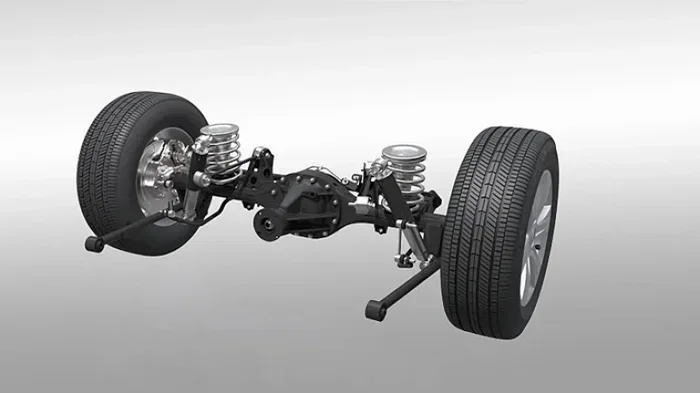
Different Haval models use different suspension designs depending on the vehicle type and intended use. Most Haval SUVs feature a multi-link independent suspension at the rear wheels. This design allows each wheel to move independently, which means one wheel hitting a bump does not disturb the other wheel. The result is a smoother ride and better tire contact with the road.
At the front, many Haval models use a MacPherson strut suspension. This is one of the most common front suspension designs in the world. It uses a single strut assembly that combines the shock absorber and the steering knuckle into one compact unit. The MacPherson strut is lightweight, takes up less space, and works well for SUVs and sedans alike. Haval’s engineers have tuned these systems specifically for their vehicles to get the best possible response.
Some Haval models also use independent suspension at all four corners. This means each wheel operates on its own spring and damper setup. Independent suspension gives the driver more control and a more refined feel compared to older solid axle designs. If you have ever noticed how a Haval handles through curves without much body lean, this is why.
The Role of Coil Springs and Shock Absorbers
Every suspension system needs springs to absorb energy and dampers to control the movement. Haval uses coil springs at most positions on the vehicle. These springs compress and expand as the wheels move over bumps. They store energy and release it smoothly, which keeps the car body from bouncing around.
Shock absorbers work hand in hand with the springs. They control how fast the springs compress and rebound. Without shocks, the springs would just bounce up and down uncontrollably. Haval’s shock absorbers are specially tuned to provide the right amount of damping. They slow down the spring movement just enough to keep the ride smooth without making the car feel sluggish. This balance is key to why Haval vehicles feel so composed on the road.
Key Components of Haval’s Suspension System
Now that you understand the basic layout, let us look at the individual parts that make the Haval suspension system work. Each component plays a specific role, and they all work together as a team.
Control Arms and Ball Joints
Control arms are the metal links that connect the wheel assembly to the car’s frame. They allow the wheels to move up and down while keeping them pointed in the right direction. Haval uses upper and lower control arms at the front wheels. These arms are made from strong materials like cast aluminum or stamped steel to handle the stresses of daily driving.
At the ends of the control arms, you will find ball joints. These are the pivot points that allow the arms to swing as the wheels move over bumps. Ball joints are sealed units that do not require regular maintenance, but they do wear out over time. When a ball joint starts to fail, you might hear a clunking noise when going over bumps. This is a clear sign that your suspension needs attention.
Anti-Roll Bars for Stability
Have you ever noticed how your body leans to the side when you take a sharp turn? The anti-roll bar, also called a stabilizer bar, helps reduce that lean. It is a metal bar that connects the left and right sides of the suspension. When one wheel goes up, the anti-roll bar pushes the other wheel down to keep the car level.
Haval includes anti-roll bars on both the front and rear suspension of most models. These bars are adjustable in stiffness depending on the model and trim level. Sportier Haval models may have thicker anti-roll bars for sharper handling, while comfort-focused models use softer bars for a smoother ride. This is part of what makes Haval suspension feel so well-balanced.
Bushings and Mounts
Small parts make a big difference. Bushings are the rubber or polyurethane pieces that cushion the connection points in your suspension. They absorb vibrations and reduce noise from reaching the cabin. Haval uses high-quality rubber bushings that are designed to last for many years under normal driving conditions.
Over time, bushings can crack or harden from age and exposure to the elements. When this happens, you might notice more road noise or a slightly rougher ride. Replacing worn bushings is a simple and affordable maintenance task. It is one of those small fixes that can make a big difference in how your Haval drives.
How Haval Tunes the Suspension for a Great Ride
Having good parts is only half the battle. What really sets Haval apart is how they tune the suspension to bring out the best in their vehicles. Suspension tuning is both a science and an art. Engineers spend countless hours testing different setups on various road surfaces to find the perfect balance.
Ride Comfort vs. Handling
Every car maker faces the same challenge: how to make a car comfortable on rough roads while still feeling sporty and responsive. Haval leans toward comfort without sacrificing handling. Their suspension tuning uses a slightly softer spring rate at the front to soak up bumps, while the rear is tuned for stability during highway driving.
This approach means you get a quiet, calm ride on the interstate and a composed, predictable feel when you push the car through a winding road. The spring rate and damping ratio are carefully matched so that the suspension does not bounce or wallow. It just feels right, no matter the situation.
Adapting to Different Road Conditions
Haval suspension is designed to handle a wide range of road conditions. Whether you are driving on smooth highways, cracked city streets, or gravel back roads, the system adapts. The shock absorbers adjust their damping force in real time to match the surface. This means fewer bumps reach the cabin and more tire contact is maintained for better grip.
For Haval models that come with adjustable suspension settings, drivers can choose between different modes. A comfort mode softens the suspension for a smoother ride, while a sport mode firms things up for better cornering. This flexibility is a big reason why Haval vehicles appeal to such a wide range of drivers.
The Impact of Wheel Alignment
Even the best suspension system will not perform well if the wheels are not properly aligned. Wheel alignment affects how the tires contact the road, how the car tracks straight, and how it handles in turns. Haval recommends checking your alignment regularly, especially after hitting potholes or curbs.
Signs that your alignment is off include the car pulling to one side, uneven tire wear, or a steering wheel that sits crooked when driving straight. Getting an alignment check is quick and inexpensive. It can prevent uneven tire wear and keep your Haval suspension working the way it was designed. If you want to learn more about alignment issues, check out our guide on how to know if camber is out of alignment.
Common Suspension Problems and How to Fix Them
No suspension system lasts forever without any care. Over time, wear and tear takes a toll on the components. Knowing what to look for can save you from bigger problems down the road. Here are the most common suspension issues Haval owners may encounter.
Worn Shock Absorbers
Shock absorbers wear out gradually, so it can be hard to notice the change at first. Signs of worn shocks include excessive bouncing after hitting a bump, nose-diving when braking, and a general feeling of instability at highway speeds. If your car takes longer to stop or feels floaty on rough roads, your shocks may need replacing.
Haval shock absorbers are designed to last between 50,000 and 100,000 miles depending on driving conditions. If you frequently drive on rough roads or carry heavy loads, they may wear faster. Replacing shocks in pairs (both front or both rear) ensures even performance and prevents uneven tire wear.
Broken or Damaged Springs
Coil springs are built to last the life of the vehicle, but they can break under extreme stress. A broken spring causes one side of the car to sit lower than the other. You may notice a clunking noise when driving over bumps or a visible sagging on one corner of the vehicle.
If you suspect a broken spring, get it checked right away. Driving on a damaged spring can throw off your alignment and damage other suspension parts. It also affects how the car handles and brakes, which is a safety concern.
Leaking Struts
Struts combine the shock absorber and the spring into one unit. When a strut starts to leak oil, it loses its damping ability. You might notice oil residue on the outside of the strut body or a rougher ride quality. Leaking struts should be replaced promptly to maintain proper suspension function.
Haval struts are designed to be durable, but they are not immune to wear. Regular inspections during oil changes or scheduled maintenance can catch leaks early before they cause more damage to other components.
Heat Shield and Undercarriage Care
One often overlooked part of suspension care involves the heat shields and undercarriage components. Heat shields protect sensitive parts from excessive engine heat. When a heat shield becomes loose, it can vibrate and create annoying rattling noises that might be mistaken for suspension issues. If you are dealing with a loose heat shield, you can find our guide on how to tighten a loose heat shield for step-by-step instructions.
Keeping the undercarriage clean is also important. Road salt, mud, and debris can accumulate around suspension components and cause corrosion over time. A simple rinse under the car after driving in winter or on salty roads can go a long way in preserving your suspension parts.
Maintaining Your Haval Suspension for Longevity
Proper maintenance is the best way to keep your Haval suspension performing at its best. Regular inspections and simple habits can add years of life to your suspension system and keep your ride feeling great.
Routine Inspection Checklist
Here is a simple checklist you can follow to keep your suspension in good shape:
- Inspect shocks and struts: Look for leaks, damage, or excessive wear every 10,000 miles.
- Check bushings and mounts: Look for cracks, tears, or separation in the rubber components.
- Examine ball joints and control arms: Listen for clunking noises and check for looseness.
- Monitor tire wear: Uneven wear patterns often point to suspension problems.
- Test the anti-roll bars: Listen for clicking noises during turns, which may indicate worn links.
- Keep the undercarriage clean: Wash the underside of your car regularly to prevent rust and corrosion.
Quick Tips for Suspension Health
Here are some easy habits that make a big difference:
- Avoid overloading your vehicle: Excess weight puts extra stress on springs and shocks. Stay within the recommended payload limits.
- Drive smoothly over bumps: Hard impacts accelerate wear on all suspension components. Slow down when approaching potholes or speed bumps.
- Rotate your tires regularly: Even tire wear reduces uneven forces on the suspension and extends the life of all parts.
- Keep your tires properly inflated: Under-inflated or over-inflated tires change how the suspension responds and can cause premature wear.
Taking care of your suspension also helps maintain your vehicle’s overall value. A well-maintained car with a healthy suspension system holds its fair market value much better than one with neglected components. If you want to understand how suspension condition affects your car’s worth, check out our article on how to find out the fair market value of your car.
Expert Insights on Haval Suspension Design
To understand why Haval suspension drives so well, it helps to look at the engineering philosophy behind it. Haval engineers focus on three main principles when designing their suspension systems.
First, they prioritize ride comfort. The suspension is tuned to absorb road imperfections before they reach the cabin. This means passengers feel fewer bumps and vibrations, making long drives more enjoyable. Second, they emphasize handling precision. The suspension keeps the tires in contact with the road surface, which improves grip and stability during maneuvers. Third, they aim for durability and low maintenance. Every component is designed to withstand real-world conditions without requiring frequent repairs.
Haval also uses advanced computer modeling during the development process. Engineers simulate thousands of miles of driving on virtual road profiles to fine-tune the suspension before a single prototype is built. This digital approach allows them to optimize the damping characteristics, spring rates, and geometry with incredible precision. The result is a suspension system that feels polished and refined right out of the box.
Another key factor is the quality of materials used. Haval sources high-grade steel, aluminum, and rubber for their suspension components. These materials are chosen for their strength, weight, and resistance to fatigue. The combination of smart engineering and quality materials is what gives Haval suspension its reputation for reliability and performance.
If you are doing any work under your vehicle and need to access the rear suspension or cargo area, knowing how to open the boot from the outside can be very handy during inspections or emergencies.
How Suspension Affects Your Daily Driving Experience
The suspension system has a direct impact on how your Haval feels every single day. It affects everything from the comfort of your morning commute to the confidence you feel when merging onto a busy highway. Here are some ways your suspension shapes your daily driving experience.
Comfort: A well-tuned suspension filters out road noise and vibrations. You arrive at your destination feeling less tired and more relaxed. Haval’s focus on comfort means even long highway drives feel effortless.
Safety: Good suspension keeps your tires planted on the road, which improves braking and cornering. When you need to make a sudden maneuver, a responsive suspension gives you the confidence to handle the situation safely.
Tire Life: Suspension components that are in good condition ensure even tire contact with the road. This means your tires wear more evenly and last longer, saving you money on replacements.
Noise Reduction: A healthy suspension system absorbs road impacts that would otherwise create noise inside the cabin. Less road roar means a quieter, more pleasant driving environment.
Resale Value: A car with a well-maintained suspension system is more attractive to buyers. When it is time to sell, the overall condition of the suspension plays a role in how much your car is worth.
Conclusion
The Haval suspension system is a carefully engineered combination of advanced components and precise tuning that delivers one of the best driving experiences in its class. From the multi-link rear setup to the MacPherson strut front design, every part works together to provide comfort, stability, and control. Understanding how your suspension works helps you appreciate the engineering that goes into your Haval and gives you the knowledge to keep it running at its best.
Regular maintenance, mindful driving habits, and timely repairs go a long way in preserving your suspension system. The small efforts you put into caring for your suspension pay off in a smoother ride, better handling, and long-term reliability. Your Haval was built to drive well, and with proper care, it will continue to do so for many miles to come.
Take the time to learn your vehicle, listen to what it tells you, and address any issues early. Your suspension is working hard for you every day. Give it the attention it deserves, and it will reward you with a driving experience that feels truly special every time you get behind the wheel.
Frequently Asked Questions
What type of suspension does Haval use in their SUVs?
Most Haval SUVs use a multi-link independent suspension at the rear and a MacPherson strut suspension at the front. This combination provides excellent ride comfort and sharp handling across different road conditions.
How often should I have my Haval suspension inspected?
It is recommended to have your suspension inspected every 10,000 to 15,000 miles or during regular oil changes. Regular inspections help catch worn components early before they cause bigger problems.
Can I adjust the Haval suspension for different driving modes?
Some Haval models come with adjustable suspension settings that allow you to switch between comfort and sport modes. This lets you tailor the ride feel to your preference or driving conditions.
What are the signs that my Haval suspension needs repair?
Common signs include excessive bouncing, clunking noises over bumps, uneven tire wear, the car pulling to one side, or a rough ride quality. If you notice any of these symptoms, get your suspension checked by a qualified mechanic.
Does Haval suspension affect the car’s ride comfort?
Absolutely. Haval engineers tune the suspension to balance comfort and handling. The carefully selected spring rates and damping ratios work together to absorb road imperfections and keep the cabin quiet and smooth.
How does suspension condition affect my car’s value?
A well-maintained suspension system is a key factor in preserving your car’s fair market value. Buyers look for vehicles that have been properly cared for, and a healthy suspension signals that the car has been maintained well.
=== META DESCRIPTION ===
Discover how Haval suspension works and why it delivers such a smooth, confident ride. Learn about the key components, technology, and maintenance tips that make Haval vehicles stand out on the road.