Can You Clear an Airbag Code Without Spending a Fortune
Yes, you can clear an airbag code in many cases without paying a dealer hundreds of dollars. With the right OBD scanner and basic know-how, resetting your airbag warning light is a DIY job most car owners can handle. This guide walks you through every step, from understanding what triggers an airbag code to choosing the best reset tool for your vehicle. We also cover common mistakes, safety warnings, and expert tips to keep your Supplemental Restraint System working properly. By the end, you will know exactly how to tackle this job and save real money.
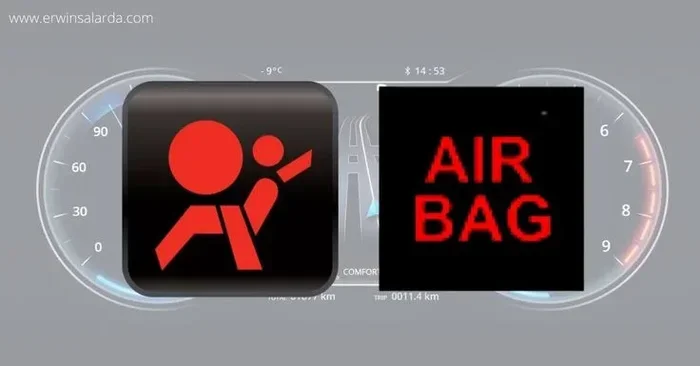
That little red or yellow light on your dashboard shaped like a person with a circle in front of it can send anyone into a panic. You are driving along, minding your own business, and suddenly your airbag warning light comes on. Your first thought might be, “Can you clear an airbag code and just move on?” The short answer is yes, in many cases you can. But the full answer is a bit more involved, and it is worth understanding before you grab any tools.
Airbag codes exist for a reason. They are your car’s way of telling you something is wrong with the Supplemental Restraint System, or SRS. This system exists to protect you and your passengers during a crash. Clearing the code without addressing the underlying issue is like ignoring a check engine light and hoping for the best. In this article, we will walk you through everything you need to know about clearing an airbag code yourself, what tools you need, what mistakes to avoid, and when it is smart to call a professional.
Key Takeaways
- Clearing an airbag code is possible at home: You do not always need a dealership or expensive mechanic.
- An OBD2 scanner is your best friend: A quality scanner can read and reset SRS codes quickly.
- Fix the root cause first: Clearing the code without fixing the problem will only bring it back.
- Costs vary widely: DIY methods cost under $50, while dealer visits can run $100-$300 or more.
- Safety matters most: Never ignore a persistent airbag light, as it means your restraint system may not deploy.
- Common mistakes waste time and money: Avoid disconnecting the battery as a quick fix and rushing the process.
- Prevention is simple: Regular maintenance and prompt attention to warning lights keep your airbag system healthy.
📑 Table of Contents
What Is an Airbag Code and Why Does It Appear?
An airbag code is a diagnostic trouble code stored in your car’s computer when the SRS detects a problem. Think of it as an error message, similar to what you see on a computer when something goes wrong. Your vehicle’s airbag control unit constantly monitors sensors, wiring, and components. When it finds something off, it stores a code and lights up the warning on your dashboard.
Understanding the SRS System
The Supplemental Restraint System is more than just airbags. It includes crash sensors, seat belt pretensioners, the airbag clockspring, and the control module. All of these parts work together to keep you safe. When any one of them fails or sends an unusual signal, the system triggers a code. Common reasons a code appears include a loose seat belt connector, a faulty crash sensor, or a problem with the airbag module itself. Sometimes it is as simple as a wire that came loose during a recent repair.
Common Reasons for Airbag Warning Lights
Several things can trigger an airbag light to turn on. Here are the most common culprits:
- Loose or corroded connector: Under your seat, connectors can vibrate loose over time, especially in older vehicles.
- Faulty crash sensor: These sensors detect sudden deceleration. When they fail, the system cannot determine if a crash has occurred.
- Seat belt sensor issue: Many cars have sensors in the seat belt buckle. If the sensor does not detect the belt is fastened, it may trigger a code.
- Clockspring problems: The clockspring connects the steering wheel airbag to the electrical system. When it wears out, you get an airbag code.
- Previous crash or deployment: If your airbags ever deployed, the system needs to be reset with new parts.
- Battery voltage drop: A weak car battery can confuse the SRS computer and cause a false code.
- Water damage: Moisture under the seat can corrode connectors and sensors, leading to persistent codes.
Knowing what triggered your specific code is the first step. You cannot effectively clear an airbag code if you do not know why it appeared in the first place.
Can You Clear an Airbag Code Yourself?
The good news is that many car owners successfully clear an airbag code at home. You do not need years of mechanic experience or a garage full of expensive equipment. What you do need is the right diagnostic tool and a basic understanding of your vehicle’s system. Thousands of people reset their own airbag warning light every week, and you can join them.
Tools You Will Need
Before you start, gather these tools. Having everything ready saves time and frustration.
- OBD2 scanner with SRS capability: Not all scanners read airbag codes. You need one that supports the SRS or airbag system. Popular options include the Autel MaxiCOM, Innova 5510, and the BlueDriver scanner.
- Basic hand tools: A set of wrenches and screwdrivers helps if you need to access connectors under the seat.
- Multimeter: This helps you test sensors and connections before clearing any code.
- Vehicle service manual: Your car’s manual or a Haynes/Chilton guide provides wiring diagrams and code definitions specific to your model.
- Safety gloves and goggles: The airbag system uses explosive charges. Safety first, always.
Step-by-Step Process to Clear an Airbag Code
Here is a practical walkthrough of how most people clear an airbag code at home. Follow these steps carefully.
- Plug in your OBD2 scanner: Locate your diagnostic port, usually under the steering column. Connect your scanner firmly.
- Turn the ignition to the ON position: Do not start the engine. Just turn the key to the position where the dashboard lights come on.
- Read the stored codes: Your scanner will display one or more codes. Write them down. Look up each code in your service manual or online database to understand what it means.
- Diagnose the root cause: This is the most important step. Do not skip it. Check the components related to your specific code. Test connections, inspect sensors, and look for damaged wiring.
- Fix the underlying problem: Replace a faulty sensor, tighten a loose connector, or repair damaged wiring. You must address the real issue before clearing the code.
- Clear the code with the scanner: Once the repair is complete, use your scanner to erase the stored code from the airbag control unit.
- Turn the ignition off and wait: Wait at least 30 seconds before turning it back on. This lets the system run a self-check.
- Test drive and monitor: Take a short drive and watch the dashboard. If the airbag light stays off, you have successfully reset the system.
Following this process ensures your airbag reset actually lasts. Many people try to skip straight to clearing the code and wonder why the light comes back a few days later.
The Cost of Clearing an Airbag Code at a Shop
If you decide not to DIY, you will pay someone else to clear an airbag code for you. The cost varies depending on where you go and what your vehicle needs. Understanding these costs helps you make an informed decision.
Dealer vs. Independent Mechanic
Car dealerships typically charge the most for airbag diagnostics. A dealer visit for an SRS code reset can cost anywhere from $100 to $300, sometimes more. Independent mechanics usually charge less, often in the $70 to $150 range. The price difference comes down to overhead and labor rates.
Here is a quick comparison:
- DIY with an OBD scanner: $30 to $50 for the scanner, which you reuse for future jobs.
- Independent mechanic: $70 to $150 for diagnosis and code clearing.
- Car dealership: $100 to $300 or more for the same service.
- Airbag module repair shop: $50 to $150 for module reprogramming or replacement.
As you can see, doing it yourself saves a significant amount of money. An airbag diagnostic tool pays for itself after just one use. However, if the code points to a serious problem like a deployed airbag or a damaged control module, the repair cost could be much higher regardless of who does the work.
Common Mistakes When Trying to Clear an Airbag Code
Many people make avoidable mistakes when they try to clear an airbag code. Learning from these errors saves you time, money, and frustration.
Mistake 1: Clearing the Code Without Fixing the Problem
This is the biggest mistake people make. They clear the airbag light and drive away feeling relieved, only to see it come back a week later. The code returned because the root cause was never addressed. Always diagnose and fix the problem first. Clearing the code is just the final step, not the entire process.
Mistake 2: Disconnecting the Battery as a Quick Fix
Some people suggest disconnecting the car battery for 30 minutes to reset the airbag system. While this sometimes clears the light temporarily, it does not fix the underlying issue. Worse, disconnecting the battery can erase other important settings in your vehicle, such as radio presets and adaptive learning values for the transmission. It is a band-aid at best.
Mistake 3: Using the Wrong Scanner
Not every OBD2 scanner reads airbag codes. Many basic scanners only cover the engine and emissions systems. If you buy a cheap scanner that does not support SRS, you will waste your money. Make sure your scanner explicitly lists airbag or SRS support before purchasing.
Mistake 4: Ignoring Safety Precautions
The airbag system contains explosive charges. Working on it carelessly can lead to accidental deployment, which causes serious injury. Always disconnect the battery and wait at least 10 minutes before working on any airbag component. Wear safety gear and follow all manufacturer guidelines.
Mistake 5: Giving Up Too Soon
Sometimes the code does not clear on the first try. This does not mean you failed. It might mean you need to check a different connection or replace a part you overlooked. Patience pays off when troubleshooting airbag diagnostic codes.
When You Should NOT Clear an Airbag Code
There are situations where you should not attempt to clear an airbag code yourself. Recognizing these scenarios keeps you and your passengers safe.
Safety First: Know the Limits
If your airbag light is flashing rather than staying solid, this often indicates a more serious problem. A flashing light can mean the system has completely disabled the airbags. In this case, driving without functioning airbags is dangerous. You should take your vehicle to a qualified technician immediately.
You should also avoid clearing the code if:
- Your airbags have deployed: The system needs a full module replacement and professional reset.
- You smell burnt wiring or notice visible damage: This could indicate an electrical problem that needs expert attention.
- You recently had a collision: Even if the airbags did not deploy, hidden damage may exist in the SRS system.
- You are unsure about the diagnosis: If you cannot identify the root cause, a professional diagnostic is the safer choice.
Your safety and the safety of your passengers always come first. No amount of money saved is worth risking a non-deploying airbag in a real crash.
Expert Tips to Keep Your Airbag System Running Smoothly
Preventing airbag codes from returning is easier than you might think. A few simple habits go a long way in keeping your SRS system healthy and your dashboard light-free.
- Check under your seat regularly: Look for loose connectors, rodent damage, or moisture. A quick visual inspection catches problems early.
- Replace the car battery on schedule: A weak battery causes voltage fluctuations that confuse the SRS computer. Fresh batteries prevent false codes.
- Use quality replacement parts: Aftermarket sensors and connectors vary in quality. Stick with reputable brands or OEM parts when possible.
- Read your owner’s manual: It contains specific information about your vehicle’s SRS system and recommended maintenance intervals.
- Invest in a good OBD scanner: A quality airbag diagnostic tool lets you monitor your system and catch codes early before they become bigger problems.
- Address warning lights immediately: Do not ignore any dashboard warning. The sooner you diagnose it, the cheaper and easier the repair will be.
- Keep your wiring harnesses in good condition: Rodents love to chew on wires under the seat. Use rodent deterrents if you park in areas with wildlife.
These small habits add up over time. They help you avoid unexpected trips to the mechanic and keep your airbag reset lasting for the long term.
The Bottom Line
So, can you clear an airbag code without spending a fortune? Absolutely. With the right OBD2 scanner, a little patience, and some basic mechanical knowledge, you can reset your airbag warning light and save hundreds of dollars. The key is to always find and fix the root cause before clearing the code. Skipping this step is the number one reason codes return and drivers end up back at the shop.
Remember that your airbag system is a critical safety feature. It protects you and your loved ones in the event of a crash. Take the warning light seriously, diagnose problems promptly, and never compromise on safety to save a few dollars. If you are ever unsure about what a code means or how to fix it, a qualified mechanic is always a smart call. But for many common airbag codes, the DIY route is straightforward, affordable, and surprisingly easy.
Now that you know the process, you have the power to take control of your vehicle’s maintenance. Grab your scanner, find that code, and get to work. Your wallet and your safety will both thank you.
Frequently Asked Questions
Is it safe to clear an airbag code myself?
Yes, it is safe as long as you follow proper safety precautions. Always disconnect the battery before working on any airbag component, and wait at least 10 minutes to let residual charges dissipate. Use a quality OBD scanner and make sure you understand the code before clearing it.
How much does it cost to clear an airbag code at a dealership?
Dealerships typically charge between $100 and $300 for airbag diagnostics and code clearing. Independent mechanics usually cost less, around $70 to $150. Buying your own OBD scanner costs $30 to $50 and pays for itself after one use.
Why does my airbag light keep coming back after I clear it?
The light returns because the underlying problem was never fixed. Clearing the code only erases the stored error message. You must diagnose and repair the actual issue, such as a faulty sensor, loose connector, or damaged wiring, to prevent the code from returning.
Can a dead car battery cause an airbag code?
Yes, a weak or dying battery can cause voltage drops that confuse the SRS control module. This can trigger a false airbag code. Replacing your battery on schedule and keeping terminals clean helps prevent this issue.
What is the best OBD scanner for reading airbag codes?
Scanners like the Autel MaxiCOM, BlueDriver, and Innova 5510 are popular choices that support SRS and airbag diagnostics. Look for a scanner that explicitly lists airbag or SRS support in its features before purchasing.
Should I drive my car with the airbag light on?
It is not recommended. The airbag light means your Supplemental Restraint System has detected a problem, and your airbags may not deploy in a crash. While your car is still drivable, you lose a critical safety feature. Get the code diagnosed and repaired as soon as possible.