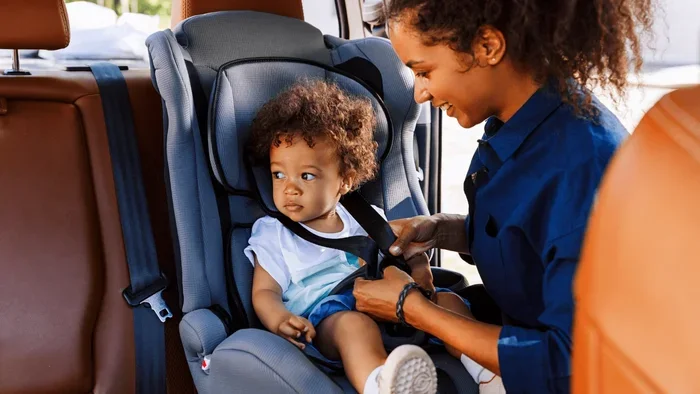
2 Years Baby Car Seat for Toddler Safety and Comfort
2 years baby car is an essential topic that provides valuable insights.
Key Takeaways
- Understanding 2 years baby car: Provides essential knowledge
📑 Table of Contents
- Why a 2 Years Baby Car Seat Matters for Your Toddler
- Types of Car Seats for 2-Year-Olds
- Key Safety Features to Look For
- How to Install a 2 Years Baby Car Seat Properly
- Best 2 Years Baby Car Seats on the Market
- Common Mistakes Parents Make with Toddler Car Seats
- Quick Tips for a Safe and Comfortable Ride
- Expert Insights on Toddler Car Seat Safety
- Key Takeaways
- Conclusion
Why a 2 Years Baby Car Seat Matters for Your Toddler
Car crashes are a leading cause of injury in young children. The right seat can reduce the risk of serious injury by up to 70%. A 2 years baby car seat is specifically designed to protect a toddler’s developing body. Young children have fragile necks, spines, and bones that need extra support.
A rear-facing seat cradles your child’s head, neck, and spine during a crash. This distributes the force of impact across the strongest parts of their body. Front-facing seats are not safe for toddlers because they put too much stress on the neck and spine. That is why safety experts recommend keeping your child rear-facing for as long as possible.
Beyond safety, comfort matters too. A two-year-old spends a lot of time in the car. Whether it is a short trip to the grocery store or a long road trip, your child needs a seat that feels good. A comfortable seat means fewer distractions for the driver and a happier ride for everyone.
The Science Behind Rear-Facing Seats
Rear-facing seats work by spreading crash forces over a larger area of the body. In a front-facing seat, the head and neck snap forward during a collision. This can cause serious injuries, especially in young children. A rear-facing car seat keeps the head, neck, and spine aligned and supported.
Studies from the American Academy of Pediatrics show that children are five times safer in a rear-facing seat compared to a forward-facing one. This is true even for children over two years old. The longer you keep your child rear-facing, the better their protection.
Types of Car Seats for 2-Year-Olds
Not all car seats are the same. There are several types designed for different ages, weights, and heights. Understanding your options helps you make the best choice for your family. Here are the main types of toddler car seats you should know about.
Rear-Only Seats
These seats are designed only for rear-facing use. They usually have a higher weight limit than standard infant seats. Many rear-only seats accommodate children up to 40 to 50 pounds. This makes them a great choice for a 2 years baby car seat because your child can stay rear-facing longer.
Convertible Car Seats
A convertible car seat can be used both rear-facing and forward-facing. You start with the rear-facing position for your toddler and switch to forward-facing later. Convertible seats are a popular choice because they grow with your child. They offer excellent value and long-term use.
All-in-One Seats
An all-in-one seat works in three modes: rear-facing, forward-facing, and booster. These seats are bulky but very versatile. They can serve as your child’s seat from infancy through the booster years. If you want one seat to last a long time, an all-in-one option is worth considering.
Key Safety Features to Look For
Not every car seat offers the same level of protection. When shopping for a 2 years baby car seat, look for these essential safety features. These elements make a big difference in how well the seat protects your child during a crash.
Five-Point Harness System
A five-point harness is the gold standard for toddler safety. It has two straps at the shoulders, two at the hips, and one between the legs. This design keeps your child securely in place during a sudden stop or collision. Look for a seat where the harness is easy to adjust as your child grows.
Side-Impact Protection
Side-impact crashes are especially dangerous for young children. A good toddler car seat should have deep side wings or energy-absorbing foam. These features cushion your child from the force of a side collision. Some seats even have adjustable headrests that add extra protection.
LATCH System Compatibility
The LATCH system (Lower Anchors and Tethers for Children) makes installation easier and more secure. Most modern vehicles and car seats support LATCH. Using LATCH instead of seat belts reduces the risk of incorrect installation. Always check that your vehicle and seat are LATCH-compatible before purchasing.
Crash Test Ratings
Check the crash test rating before you buy. Independent organizations like the Insurance Institute for Highway Safety (IIHS) test car seats regularly. Seats that earn a “Good” or “Best Bet” rating have passed rigorous safety tests. Always choose a seat with strong crash test results.
How to Install a 2 Years Baby Car Seat Properly
Proper installation is just as important as choosing the right seat. A poorly installed car seat may not protect your child in a crash. Follow these steps to make sure your seat is installed correctly every time.
Step-by-Step Installation Guide
Installing a 2 years baby car seat does not have to be complicated. Follow these steps for a safe and secure setup:
- Read both the car seat manual and your vehicle owner’s manual carefully.
- Place the seat in the back seat of your vehicle, ideally in the center position.
- Connect the seat using the LATCH system or seat belt, following the manufacturer’s instructions.
- Tighten the base until the seat does not move more than one inch side to side or front to back.
- Attach the top tether if your seat requires one. This reduces forward movement during a crash.
- Adjust the recline angle according to the seat’s indicators. Your toddler should sit at a comfortable, semi-reclined angle.
Common Installation Mistakes
Even careful parents can make mistakes. Here are the most common errors to avoid:
- Loose installation: The seat should not move more than one inch in any direction.
- Wrong recline angle: Too upright or too flat can affect safety and comfort.
- Ignoring the top tether: The tether is critical for limiting forward head movement in a crash.
- Using both LATCH and seat belt: Only use one method unless the manual says otherwise.
- Placing the seat in the front seat: The back seat is always safest, especially with active airbags in the front.
When to Get Help with Installation
If you are unsure about your installation, seek help. Many fire stations, police departments, and hospitals offer free car seat inspection services. Certified technicians can check your seat and make adjustments. This is a free resource that every parent should use at least once.
Best 2 Years Baby Car Seats on the Market
Choosing the right seat can feel overwhelming with so many options available. Here are some of the top-rated 2 years baby car seats that parents love. Each seat offers a great balance of safety, comfort, and value.
Comparison Table: Top Toddler Car Seats
| Seat Name | Type | Weight Limit (Rear) | Price Range | Key Feature |
|---|---|---|---|---|
| Britax Boulevard ClickTight | Convertible | 50 lbs | $300-$350 | Easy ClickTight installation |
| Chicco NextFit Zip | Convertible | 50 lbs | $250-$300 | SuperCinch LATCH tightener |
| Evenflo Maestro Sport | Convertible | 50 lbs | $150-$200 | Budget-friendly option |
| Graco 4Ever DLX | All-in-One | 50 lbs | $250-$300 | Four modes of use |
| Maxi-Cosi Pria 85 Max | Convertible | 50 lbs | $350-$400 | Premium comfort and style |
What Makes These Seats Stand Out
The Britax Boulevard ClickTight is a favorite among parents for its easy installation. The ClickTight system makes securing the seat simple and secure. The Chicco NextFit Zip offers excellent side-impact protection and a SuperCinch tightener that makes LATCH installation a breeze.
For parents on a budget, the Evenflo Maestro Sport delivers solid safety at an affordable price. The Graco 4Ever DLX is an all-in-one seat that grows with your child from infancy through the booster years. And the Maxi-Cosi Pria 85 Max offers premium comfort with a stylish design that many families love.
Common Mistakes Parents Make with Toddler Car Seats
Even the best car seat cannot protect your child if it is used incorrectly. Many parents make mistakes that reduce the effectiveness of their 2 years baby car seat. Here are the most common errors and how to avoid them.
Switching to Forward-Facing Too Early
The most common mistake is switching to a forward-facing seat too soon. At two years old, your child should still ride rear-facing. Forward-facing seats put too much stress on the neck and spine during a crash. Keep your child rear-facing until they reach the maximum height or weight limit for their seat.
Bulky Clothing Under the Harness
Winter coats and thick sweaters are dangerous in car seats. The padding compresses in a crash, leaving slack in the harness straps. Instead, buckle your child in with thin layers and place a blanket over the harness for warmth. This keeps the straps snug and close to the body.
Not Reading the Manual
Every car seat is different. Skipping the manual can lead to incorrect use. Take the time to read the entire manual before using the seat. Pay special attention to weight limits, height restrictions, and installation instructions. If you lose the manual, most manufacturers offer free digital copies on their websites.
Ignoring Expiration Dates
Car seats have expiration dates, usually between six and ten years from the date of manufacture. Over time, materials can degrade and become less effective. Check the label on the back of the seat for the expiration date. Never use a seat that has been in a moderate or severe crash, even if it looks fine.
Skipping the Top Tether
The top tether is an important safety feature that many parents forget to use. It limits how far the seat can move forward in a crash. Always attach the top tether when using a forward-facing seat. This simple step can make a big difference in protecting your child’s head and neck.
Quick Tips for a Safe and Comfortable Ride
Here are some quick tips to keep in mind every time you buckle in your toddler. These simple habits make car rides safer and more enjoyable for everyone.
- Check the harness tightness every time you strap in your child. You should not be able to pinch any slack in the straps at the shoulders.
- Position the chest clip at armpit level, not too low on the belly. This keeps the harness in the right position.
- Recline the seat at the correct angle for your child’s age and size. Most seats have built-in angle indicators to help.
- Avoid aftermarket products like head supports or strap covers that did not come with the seat. These can interfere with how the harness works in a crash.
- Register your car seat with the manufacturer. This ensures you receive recall notices if any issues arise.
- Plan for breaks on long trips. A two-year-old should not sit in a car seat for more than two hours at a time without a break.
Expert Insights on Toddler Car Seat Safety
We spoke with certified child passenger safety technicians to get their top advice for parents of toddlers. Here is what the experts want you to know.
“The single most important thing parents can do is keep their child rear-facing for as long as possible,” says Sarah Mitchell, a certified child passenger safety technician with over ten years of experience. “Many parents switch too early because they think their child is too big or too tall. But rear-facing is always safer. Check your seat’s maximum rear-facing limits before making the switch.”
Another expert, Dr. James Chen, a pediatrician specializing in injury prevention, adds that proper harness fit is just as important as the seat itself. “The straps should be at or below the shoulders for rear-facing seats and at or above the shoulders for forward-facing seats,” he explains. “And the chest clip should always be at armpit level. These small details make a huge difference in a crash.”
Both experts also stress the importance of avoiding used car seats when possible. “You never know the history of a secondhand seat,” Dr. Chen warns. “It may have been in a crash, it may be expired, or it may be missing parts. When in doubt, buy new.”
Key Takeaways
- Keep your child rear-facing: Rear-facing is the safest position for a 2 years baby car seat. Stay rear-facing until your child reaches the maximum limit for their seat.
- Choose the right type of seat: Rear-only, convertible, and all-in-one seats all work well for toddlers. Pick one that fits your vehicle and your budget.
- Check key safety features: Look for a five-point harness, side-impact protection, LATCH compatibility, and strong crash test ratings.
- Install the seat correctly: A loose seat is dangerous. Follow the manual carefully and get a free inspection if you are unsure.
- Avoid common mistakes: Do not switch to forward-facing too early, avoid bulky clothing under the harness, and always use the top tether.
- Replace expired seats: Car seats expire after six to ten years. Check the label and replace the seat when needed.
- Register your seat: This ensures you receive recall notices and can act quickly if a safety issue arises.
Conclusion
Choosing the right 2 years baby car seat is one of the most impactful decisions you make as a parent. Your toddler’s safety depends on having the right seat, installed correctly, and used properly every single time you drive. A good toddler car seat gives you peace of mind and keeps your child protected on every trip, no matter how short.
Remember to keep your child rear-facing for as long as possible. Look for seats with strong safety features like a five-point harness, side-impact protection, and easy installation. Avoid the common mistakes that many parents make, and do not hesitate to seek professional help with installation. The road ahead is full of adventures, and the right car seat ensures your little one travels safely through every mile of the journey.
Take the time to research, compare, and choose the best seat for your family. Your child is worth every effort. Stay safe, stay informed, and enjoy the ride together.
Frequently Asked Questions
Can a 2-year-old ride in a forward-facing car seat?
It is not recommended. Safety experts advise keeping children rear-facing until they reach the maximum height or weight limit for their seat. At two years old, most children are still safer in a rear-facing car seat. Check your specific seat’s manual for the rear-facing weight and height limits before making the switch.
How do I know if my 2 years baby car seat is installed correctly?
The seat should not move more than one inch in any direction when you try to wiggle it at the base. The harness straps should be snug, and the chest clip should be at armpit level. If you are unsure, visit a local car seat inspection station for a free check by a certified technician.
What weight and height limits should I look for in a toddler car seat?
Most convertible car seats for toddlers have rear-facing weight limits of 40 to 50 pounds and height limits that vary by model. Choose a seat with limits that allow your child to stay rear-facing as long as possible. Always check both the weight and height limits before purchasing.
Can I use a secondhand car seat for my toddler?
It is best to avoid secondhand car seats if possible. You may not know if the seat has been in a crash, if it is expired, or if any parts are missing or damaged. If you must use a secondhand seat, make sure it has never been in a crash, is not expired, and comes with the original manual.
How long can a 2-year-old stay in a car seat during a long trip?
A two-year-old should not sit in a car seat for more than two hours without a break. Plan to stop every 1.5 to 2 hours to let your child stretch and move around. This helps with comfort and reduces the risk of discomfort or restricted breathing during long rides.
What is the LATCH system and do I need to use it?
The LATCH system stands for Lower Anchors and Tethers for Children. It is an easier way to install a car seat without using seat belts. Most vehicles made after 2002 support LATCH. While it is not required, using LATCH can make installation more secure and less prone to errors. Always check your vehicle and seat manuals for compatibility.
=== CONCLUSION ===
Selecting the perfect 2 years baby car seat is a journey worth taking seriously. From understanding the importance of rear-facing safety to choosing the right features and avoiding common mistakes, every detail matters. Your toddler deserves the best protection and comfort on every ride. Use the tips and insights in this guide to make an informed decision that keeps your little one safe and happy. Drive safe, buckle up, and enjoy every adventure together.