Can You Manually Open a Power Liftgate Without Tools
Yes, you can manually open a power liftgate without tools in most vehicles. Whether your liftgate motor fails, the fuse blows, or the key fob dies, a manual backup method exists. This guide walks you through every scenario so you are never stuck with a stuck trunk again.
Key Takeaways
- Every power liftgate has a manual override: You can always open it without power or tools.
- Locate the emergency release first: It is usually inside the cargo area or under a trim panel.
- Check simple fixes before panicking: A dead key fob battery or blown fuse often causes the problem.
- Regular maintenance prevents failures: Lubricating hinges and checking the motor keeps things smooth.
- Know your vehicle model: Manual release locations vary by make, model, and year.
- Call a pro if the mechanism breaks: Forcing the liftgate can cause costly damage.
📑 Table of Contents
- Can You Manually Open a Power Liftgate Without Tools?
- What Is a Power Liftgate and How Does It Work?
- Can You Actually Manually Open a Power Liftgate?
- Step-by-Step Guide to Manually Opening Your Power Liftgate
- Common Reasons Your Power Liftgate Stops Working
- Comparison: Power Liftgate vs. Manual Liftgate
- Tips to Keep Your Liftgate in Great Shape
- When to Call a Professional for Liftgate Help
- Expert Insights on Power Liftgate Reliability
- Key Takeaways
- Conclusion
- FAQs
Can You Manually Open a Power Liftgate Without Tools?
The short answer is yes. Almost every vehicle with a power liftgate includes a manual backup method. You do not need fancy tools or a mechanic to get it open. Whether you are at the grocery store or in a parking lot, knowing how to open your liftgate manually saves time and stress.
Power liftgates are amazing. They raise and lower at the push of a button. But like any mechanical part, they can fail. Motors wear out. Fuses blow. Electronics glitch. When that happens, many drivers feel helpless. They think they need a dealer or a tow truck. That is simply not true.
This article covers everything you need to know. We will explain how power liftgates work. We will show you how to find the manual release on different vehicles. We will also cover common problems and simple fixes. By the end, you will feel confident handling a stuck liftgate on your own.
What Is a Power Liftgate and How Does It Work?
A power liftgate is a motorized rear door on SUVs, crossovers, and some sedans. It opens and closes automatically when you press a button. Some vehicles let you set the opening height. Others respond to your foot movements under the bumper.
Here is how the system works in simple terms. When you press the liftgate button on your key fob or dashboard, a signal goes to the vehicle’s computer. The computer activates the liftgate motor. That motor moves the liftgate latch and raises the hatch. It all happens in seconds.
Most modern vehicles use a power tailgate system. This includes sensors, wiring, and a small electric motor. The motor connects to the latch mechanism. When the latch releases, the hatch lifts under spring assistance or motor power.
Key Components of a Power Liftgate System
- Liftgate motor: The electric motor that powers the opening and closing.
- Liftgate latch: The locking mechanism that holds the hatch shut.
- Key fob or dashboard controls: The remote signal sender.
- Sensors: Detect your foot movement or proximity.
- Fuse box: Protects the electrical circuit from overload.
- Wiring harness: Connects all electrical parts together.
- Emergency release cable or handle: The manual backup method.
Understanding these parts helps you troubleshoot problems. If one part fails, you can often still open the rear hatch manually. That is the beauty of having a backup system built in.
Can You Actually Manually Open a Power Liftgate?
Absolutely. Every power liftgate is designed with a manual override. Car manufacturers know that electronics can fail. They build in a way to open the hatch without power. This is called the manual release or emergency release.
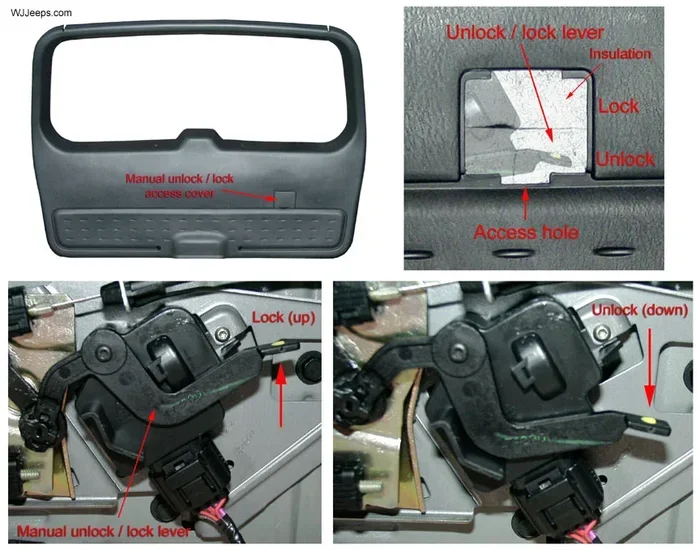
The method varies by vehicle brand and model. Some cars have a cable pull inside the cargo area. Others have a small latch or lever behind a trim panel. A few vehicles require you to fold down the rear seats first.
Here are the most common manual release methods you will find:
- Interior emergency release handle: A small handle or lever on the inside of the liftgate.
- Cable pull mechanism: A cable you pull from inside the cargo area.
- Trunk key slot: A physical key lock on the liftgate for older models.
- Fold-down seat access: You fold the rear seats down and reach the latch from inside the cabin.
- Hidden release button: A small button behind a cover panel near the latch.
No matter which type of vehicle you drive, there is almost always a way to open it manually. You just need to know where to look. Let us walk through the process step by step.
Step-by-Step Guide to Manually Opening Your Power Liftgate
Follow these steps whenever your power liftgate will not open. Start with the simplest methods and work your way through. Most of the time, the fix takes just a few minutes.
Step 1: Check the Key Fob Battery
Before you try anything else, check your key fob. A dead key fob battery is the most common reason a liftgate will not respond. The liftgate button on the fob needs power to send a signal.
Replace the battery in your key fob. Most fobs use a small CR2032 coin battery. It costs about two dollars and takes thirty seconds to swap. After replacing it, try pressing the liftgate button again.
Step 2: Try the Dashboard or Center Console Controls
If the key fob is not the issue, try the controls inside the vehicle. Most vehicles have a liftgate switch on the dashboard or center console. Look for a button with an icon of a trunk or hatch.
Some vehicles also have a touch-sensitive pad near the rear bumper. Wave your foot under it to activate the liftgate. If neither works, move to the next step.
Step 3: Locate the Manual Release Inside the Vehicle
This is where it gets useful. Most vehicles hide a manual release somewhere accessible. Here is where to look:
- Behind the rear seat: Fold down the rear seats and look near the hatch opening. You may see a cable or lever.
- Inside the cargo area: Check the side trim panels near the latch. There might be a small door or cover you can pop off.
- Under the dashboard: Some vehicles route the release cable near the driver’s footwell.
Once you find the release, pull the cable or flip the lever. You should hear the liftgate latch click open. Then you can lift the hatch by hand.
Step 4: Use the Trunk Key (If Applicable)
Some older vehicles or certain trims still have a physical trunk key slot. This is usually on the liftgate itself, near the badge or handle. Insert the key and turn it to release the latch.
If you do not have the physical key, check your spare key. Most vehicle key sets include a mechanical key hidden inside the key fob. Pop it out and use it to unlock the rear hatch.
Step 5: Fold Down the Rear Seats
If you still cannot reach the release mechanism, fold down the rear seats. This gives you direct access to the liftgate latch from inside the passenger cabin. Look for a latch or lever near the top of the seatback area.
Once the latch releases, push the liftgate up and open it. You can now access the cargo area fully.
Quick Tips for Manual Liftgate Opening
- Always keep a spare key in a safe place.
- Read your vehicle owner manual for the exact location of the manual release.
- Do not force the hatch open. You could damage the hinges or latch.
- If the release cable is stuck, apply a small amount of lubricant.
- Practice finding the manual release once so you know where it is before you need it.
Common Reasons Your Power Liftgate Stops Working
Knowing why your power liftgate fails helps you prevent future problems. Here are the most common causes of liftgate issues.
Blown Fuse
A blown fuse is one of the simplest reasons a liftgate stops working. The fuse protects the electrical circuit. If too much current flows through, the fuse blows and cuts power to the motor.
Check your vehicle’s fuse box. Look for the fuse labeled “liftgate” or “tailgate.” Replace it with a fuse of the same amperage. This simple fix costs pennies and takes two minutes.
Faulty Liftgate Motor
The liftgate motor can wear out over time. It is a small electric motor that does heavy lifting every day. After years of use, it may burn out or weaken.
Signs of a bad motor include a grinding noise, slow movement, or no response at all. Replacing the motor is a moderate repair. A mechanic can usually do it in one to two hours.
Damaged Wiring or Connectors
Wiring problems are common in vehicles exposed to road salt, moisture, or debris. Corroded connectors or frayed wires interrupt the signal between the control module and the motor.
Inspect the wiring harness running from the body to the liftgate. Look for bare spots, green corrosion, or disconnected plugs. A liftgate repair professional can fix most wiring issues quickly.
Broken Liftgate Latch or Actuator
The liftgate latch and its actuator can break from wear or impact. If the latch is stuck locked, the motor cannot open it. You may hear clicking sounds when you press the button.
Sometimes the actuator motor within the latch assembly fails. This requires replacing the entire latch mechanism. It is more expensive than a fuse replacement but still a straightforward repair.
Software or Sensor Issues
Modern vehicles rely heavily on software. A glitch in the vehicle electronics can disable the liftgate function. Sensor problems, such as a faulty proximity sensor, can also prevent the liftgate from responding.
A simple reset often fixes software issues. Disconnect the vehicle battery for fifteen minutes, then reconnect it. This resets the computer system and clears temporary errors.
Frozen or Stuck Mechanism in Winter
Cold weather causes ice and snow to build up around the liftgate latch. This can freeze the mechanism in place. The motor tries to work but cannot overcome the ice.
Use an ice melt spray or warm water to thaw the mechanism. Never pour boiling water on frozen parts. It can cause thermal shock and crack plastic components.
Comparison: Power Liftgate vs. Manual Liftgate
Understanding the difference between a power liftgate and a manual liftgate helps you appreciate the convenience of the motorized version. Here is a side-by-side comparison.
| Feature | Power Liftgate | Manual Liftgate |
|---|---|---|
| Opening method | Button press or foot sensor | Hand lift and latch release |
| Convenience | Very high | Moderate |
| Electrical components | Motor, sensors, wiring | None |
| Failure risk | Higher (electronics can fail) | Lower (fewer parts to break) |
| Manual backup | Built-in override cable or handle | Not needed |
| Maintenance needs | Higher (motor, sensors, fuses) | Lower (lubricate hinges) |
| Cost to repair | Higher | Lower |
Both types of liftgates serve the same purpose. But the power liftgate adds layers of convenience. It also adds more parts that can fail. That is why knowing how to use the manual override is so important.
Tips to Keep Your Liftgate in Great Shape
Prevention is the best approach. A well-maintained power liftgate lasts longer and fails less often. Follow these simple tips to keep your liftgate working smoothly.
Lubricate the Hinges Regularly
The liftgate hinges move every time you open and close the hatch. Apply a silicone-based lubricant to the hinges every six months. This prevents squeaking and reduces wear on the motor.
Keep the Latch Clean
Dirt, debris, and road grime can build up around the liftgate latch. Wipe it down with a damp cloth every few weeks. A clean latch engages and releases more smoothly.
Check the Key Fob Battery
Replace your key fob battery once a year. Do not wait until it dies unexpectedly. A fresh battery ensures reliable signal strength for the liftgate release.
Inspect the Wiring Harness
Look for signs of wear on the wiring that connects to the liftgate. Pay extra attention if you live in a coastal area or a place that uses road salt. Early detection prevents major liftgate repair costs.
Avoid Overloading the Cargo Area
Too much weight in the cargo area puts extra strain on the liftgate motor and hinges. Check your vehicle’s maximum cargo weight in the owner manual. Stay within the limit to avoid premature wear.
Listen for Warning Sounds
Grinding, clicking, or slow movement are early warning signs. Address these issues quickly before they become major problems. A small fix today saves a big repair tomorrow.
When to Call a Professional for Liftgate Help
Most manual opening methods work great for temporary situations. But some problems need a professional touch. Here are signs that you should call a mechanic or liftgate repair specialist.
- The liftgate motor makes a grinding noise but does not move the hatch.
- The wiring harness is visibly damaged or melted.
- The liftgate latch is physically broken or bent.
- The vehicle’s computer displays a warning related to the liftgate system.
- You cannot find or access the manual release mechanism.
- The liftgate works intermittently and the problem keeps coming back.
A professional mechanic has the right tools and diagnostic equipment. They can read error codes from the vehicle’s computer. They can also replace parts correctly the first time.
Do not try to force the liftgate open if the mechanism feels jammed. Forcing it can bend the hinges, crack the trim, or damage the latch beyond repair. That kind of damage costs much more to fix than a simple repair call.
Expert Insights on Power Liftgate Reliability
Automotive experts agree that power liftgates are generally very reliable. The electrical components are designed to last the life of the vehicle. However, they do require basic maintenance to stay in good shape.
According to industry mechanics, the most common liftgate failures come from three sources: blown fuses, dead key fob batteries, and worn-out motors. All three are easy to address once you know what to look for.
One mechanic shared this insight: “Ninety percent of the time, a liftgate that will not open has a simple fix. The owner just does not know where the manual release is. Once they find it, the problem is solved.”
Another expert added that vehicle owners should read their vehicle owner manual cover to cover at least once. The manual contains valuable information about every system in the car, including the liftgate release procedure. It takes a couple of hours and could save you hundreds of dollars in towing fees.
Key Takeaways
- Every power liftgate has a manual override method: You can always open it without tools or power.
- The most common causes of liftgate failure are simple: Dead key fob batteries, blown fuses, and worn motors account for most problems.
- Know where your manual release is before you need it: Practice finding it once so you are prepared.
- Regular maintenance prevents most issues: Lubricate hinges, clean the latch, and inspect wiring regularly.
- Do not force the liftgate open: Forcing it can cause expensive damage to hinges, latches, and trim.
- Call a professional for complex problems: Electrical and mechanical issues beyond simple fixes need expert attention.
Conclusion
The question “Can you manually open a power liftgate without tools?” has a clear answer. Yes, you can. Every vehicle with a power liftgate includes a manual backup system. Whether it is a cable pull, a release handle, or a physical key slot, you have options.
Knowing how to use these backup methods gives you confidence. You will never be stuck with a stuck trunk again. You can handle the problem yourself in most cases. This saves time, money, and the hassle of waiting for roadside assistance.
Take a few minutes to locate your vehicle’s manual release. Read your vehicle owner manual for the exact steps. Keep a spare key fob battery in your glove box. These small preparations make a big difference when something goes wrong.
A power liftgate is a convenient feature that adds real value to your vehicle. With proper care and a little knowledge, it will serve you well for years. And if it ever stops working, you now know exactly what to do.
FAQs
Can I manually open a power liftgate if the motor is completely dead?
Yes. The manual override system works independently of the motor. You can pull the release cable or use the emergency handle to open the liftgate even when the motor is completely dead. This is the whole point of having a manual backup built into the system.
Where is the manual release cable on a Toyota power liftgate?
On most Toyota SUVs, the manual release is inside the cargo area. Look behind a small trim panel on the left side of the liftgate. You will see a small hole where you can insert a key or a flat tool to pull the release cable. Check your specific model’s vehicle owner manual for the exact location.
Do all SUVs with power liftgates have a manual backup?
Yes. Federal safety regulations require all power liftgate systems to include a manual release method. This ensures drivers can always access the cargo area even if the electrical system fails completely. Every brand follows this requirement.
How much does it cost to repair a power liftgate motor?
The cost varies by vehicle model and labor rates in your area. On average, replacing a liftgate motor costs between $200 and $600. The motor part itself usually costs $100 to $300. Labor adds another $100 to $300. Getting a quote from a trusted mechanic is always a good idea.
Can a dead key fob battery prevent the liftgate from opening?
Yes. The key fob battery powers the wireless signal that tells the vehicle to open the liftgate. If the battery is dead, the signal does not reach the vehicle. Replacing the battery usually fixes this immediately. Most key fobs use a standard CR2032 battery that is easy to replace.
Is it safe to use the manual release while driving?
You should not open the liftgate while the vehicle is in motion. The manual release is designed for when the vehicle is parked. Opening the rear hatch while driving creates a safety hazard. Objects can fly out of the cargo area and obstruct your rear visibility. Always pull over safely before using the manual release.