Air Pocket for Car Warning Signs Every Driver Should Know
An air pocket trapped in your car’s brake system is a hidden danger that can seriously reduce your stopping power. Recognizing warning signs like a spongy brake pedal, longer stopping distances, or a sinking pedal can help you avoid a dangerous situation on the road. This guide covers every important symptom, cause, and fix for air pocket for car problems so you can stay safe and confident behind the wheel.
You are driving down a busy road, and suddenly you need to stop. You press the brake pedal, but it feels different — softer, mushier, or way too close to the floor. That sinking feeling in your stomach is not just in your head. Your car might have an air pocket for car brake problem, and it is something every driver should take seriously.
An air pocket for car issue happens when air gets trapped inside your brake lines. Unlike brake fluid, which is incompressible, air can compress. This means your pedal press does not translate into braking power the way it should. The result can range from mildly annoying to downright dangerous. Many drivers ignore the early signs until the problem becomes severe.
The braking system in your car relies on hydraulic pressure to push brake pads against rotors or drums. When air enters this closed system, it compresses under pressure, creating a spongy or unresponsive feel. Understanding the warning signs of an air pocket for car problem can mean the difference between a safe stop and a serious accident. In this guide, we will walk you through every symptom, cause, and solution so you can protect yourself and your passengers on the road.
Key Takeaways
- Spongy or soft brake pedal: The most common sign of an air pocket for car issue is a brake pedal that feels mushy or sinks too far when pressed.
- Longer stopping distances: Air in the brake lines reduces hydraulic pressure, which means your car takes longer to stop than it should.
- Low brake fluid levels: Frequent drops in brake fluid can let air enter the system, so regular checks are essential.
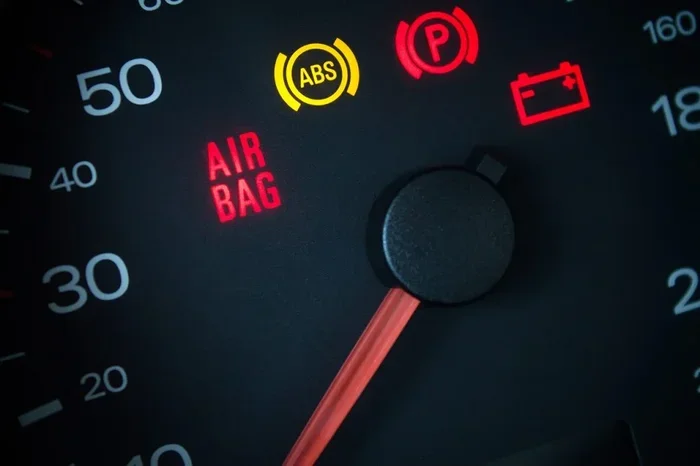
- ABS warning light: A lit ABS light on your dashboard may indicate air trapped in the braking system or a related sensor issue.
- Brake bleeding fixes the problem: Properly bleeding your brakes removes trapped air and restores normal hydraulic pressure.
- Prevention is simple: Routine brake maintenance and timely fluid changes can prevent air pocket for car issues before they start.
- Know when to see a pro: If DIY fixes do not work or you experience total brake failure, seek professional help immediately.
📑 Table of Contents
What Is an Air Pocket in Your Car’s Brake System?
To understand why an air pocket for car problem is so serious, you need to know how your braking system works. Your car uses a hydraulic brake system. When you press the brake pedal, it pushes brake fluid through brake lines to each wheel. That fluid pressure forces the brake caliper to squeeze the brake pads against the brake rotor (or the brake drum in older vehicles). The friction created is what slows your car down.
How Hydraulic Pressure Works in Brakes
Brake fluid is special. It does not compress easily. This is what makes the system work so well. When you push the pedal, nearly all of that force goes straight to the wheels. But air is different. Air compresses very easily. Even a small amount of air in the brake lines can absorb some of the pressure meant for the brakes. This is exactly what happens with an air pocket for car problem.
Why Air Gets Into the Brake System
Air can enter your braking system in several ways. A leak in a brake line can let air seep in. Low brake fluid levels create space for air to fill. Sometimes, after replacing parts like brake pads or the brake master cylinder, air gets trapped in the lines. Even a small amount of air can cause big problems because it compresses under pressure, making your brakes feel weak or unresponsive.
Warning Signs of an Air Pocket for Car
Knowing the warning signs of an air pocket for car issue is the first step toward staying safe. These symptoms can be subtle at first, but they get worse over time. Do not ignore any of them.
Spongy or Soft Brake Pedal
This is the most common sign. A healthy brake pedal should feel firm when you press it. If it feels soft, mushy, or spongy, air is likely trapped in the lines. You might notice the pedal feels different from what you are used to. Some drivers describe it as pressing on a sponge instead of a solid surface. If your brake pedal feels this way, get it checked right away.
Longer Stopping Distances
When air compresses in your brake lines, less hydraulic pressure reaches the wheels. This means your brake pads do not grip as hard or as fast. Your stopping distance increases. You might not notice this at low speeds, but at highway speeds, even a few extra feet can mean the difference between a safe stop and a collision. If you feel like your car takes longer to stop than before, an air pocket for car problem could be the cause.
Brake Pedal Sinks to the Floor
A more serious sign is when the brake pedal sinks all the way to the floor when you press it. This happens when there is a lot of air in the system or when brake fluid is severely low. In this case, your hydraulic brakes are not working properly. This is a dangerous situation that needs immediate attention. Do not keep driving if your pedal sinks to the floor.
Unusual Brake Noises
Air in the braking system can cause strange sounds. You might hear squealing, grinding, or even a hissing noise when you press the pedal. A hissing sound often means air is escaping from a brake line or fitting. Grinding noises could also mean your brake pads are worn down, which can let air enter the system through worn components. Any unusual noise from your brakes deserves a closer look.
ABS Warning Light on the Dashboard
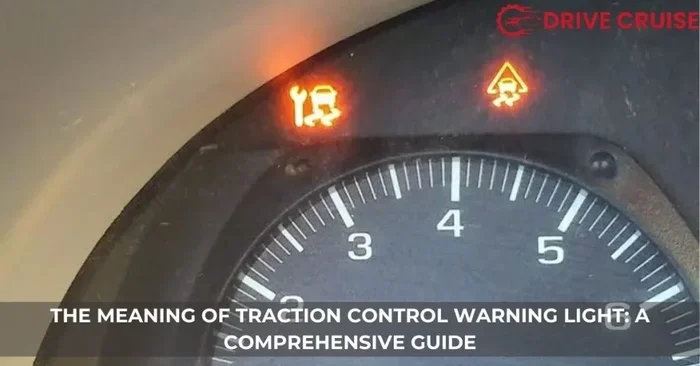
Your car’s ABS warning light can come on for many reasons. One of them is air trapped in the brake system. The ABS sensor detects changes in hydraulic pressure and may flag a problem if the pressure is inconsistent. If you see the ABS light come on, do not ignore it. Check your brake fluid level and look for other symptoms of an air pocket for car issue.
Common Causes of Air Pockets in Brake Lines
Understanding what causes an air pocket for car problem helps you prevent it from happening. Here are the most common reasons air gets into your brake lines.
Low Brake Fluid Levels
This is the number one cause. When your brake fluid level drops too low, air fills the empty space in the brake lines. Fluid levels can drop over time from normal wear, or they can drop quickly if there is a leak. Checking your brake fluid reservoir regularly is one of the easiest ways to prevent this problem.
Recent Brake Repairs or Part Replacements
After replacing brake pads, brake rotors, or the brake master cylinder, air can get trapped in the lines. This is very common and usually happens because the brake lines are opened during the repair. Proper brake bleeding after any repair is essential to remove any trapped air.
Worn Brake Pads and Rotors
Worn brake pads and brake rotors can create gaps in the braking system. These gaps give air room to enter. Over time, worn components can also cause slow leaks that let air seep in. Keeping up with brake maintenance helps prevent this chain reaction.
Leaking Brake Lines or Fittings
Corrosion, road debris, or age can cause brake lines to develop small leaks. Even a tiny leak can let air into the system. Over time, the leak gets worse and more air enters. If you notice fluid spots under your car or a soft pedal, inspect your brake lines for leaks as soon as possible.
Improper Brake Bleeding
Sometimes, the problem starts after a repair that was not done correctly. If brake bleeding is not performed properly, air stays trapped in the lines. This is why it is important to follow the right procedure or have a professional handle the job.
How to Fix an Air Pocket in Your Car’s Brakes
The good news is that fixing an air pocket for car problem is usually straightforward. The process is called brake bleeding, and it removes trapped air from the brake lines. Here is how it works and what you need to know.
Brake Bleeding Explained
Brake bleeding is the process of pushing fresh brake fluid through the braking system to push out any trapped air. You start at the wheel farthest from the brake master cylinder and work your way forward. A helper usually presses the brake pedal while you open and close the bleed valve at each wheel. This cycle repeats until no more air bubbles come out of the fluid.
Using a Brake Bleeding Kit
You can buy a brake bleeding kit at most auto parts stores. These kits make the process easier and faster. They typically include a reservoir, tubing, and a one-way valve. Some kits use a vacuum pump to pull fluid and air out of the brake lines. A brake bleeding kit is a great investment if you like doing your own car maintenance.
When to Seek Professional Help
While brake bleeding is something many DIYers can do, there are times when you should call a mechanic. If you have tried bleeding the brakes and the pedal still feels soft, there may be a deeper issue. A leak in the brake master cylinder or a damaged brake caliper may need professional repair. Do not risk your safety by driving a car with brakes that do not feel right.
DIY vs. Professional Brake Bleeding
| Factor | DIY Brake Bleeding | Professional Brake Bleeding |
|---|---|---|
| Cost | $10-$30 for a kit | $75-$150 per service |
| Time | 30-60 minutes | 15-30 minutes |
| Skill Level | Intermediate | None needed |
| Equipment | Brake bleeding kit, fluid, wrenches | All provided by shop |
| Best For | Experienced DIYers, routine maintenance | Complex issues, no tools available |
Preventing Air Pockets in Your Brake System
Prevention is always better than repair when it comes to your braking system. A few simple habits can keep air out of your brake lines and your brake fluid at the right level.
Regular Brake Fluid Checks
Make it a habit to check your brake fluid level at least once a month. Look at the reservoir under the hood. The fluid should be between the minimum and maximum marks. If it is low, top it off with the type of fluid recommended in your owner’s manual. Frequent drops in fluid level can signal a leak, which is a common entry point for air.
Routine Brake Maintenance Schedule
Follow your car manufacturer’s recommended brake maintenance schedule. This usually includes replacing brake pads every 25,000 to 70,000 miles, depending on driving habits. Have your brake lines inspected for leaks or corrosion during regular oil changes or tire rotations. Staying on top of maintenance catches small problems before they become big ones.
Warning Signs That Need Immediate Attention
Some warning signs mean you should act right away. If your brake pedal feels spongy, if you hear grinding noises, or if the ABS warning light stays on, do not wait. These are clear signals that something is wrong with your hydraulic brakes. Addressing problems quickly keeps you safe and prevents costly repairs down the road.
Quick Tips for Brake Health
- Always use the correct brake fluid type for your vehicle. Check your owner’s manual.
- Never drive on low brake fluid. Topping off is easy and cheap compared to fixing damage.
- Bleed your brakes after every pad replacement. This simple step prevents air from getting trapped.
- Keep your wheels clean. Road grime can cause corrosion on brake line fittings over time.
- Listen to your car. Unusual sounds or feelings from the pedal are your car telling you something is wrong.
Common Mistakes Drivers Make
- Ignoring a soft pedal: Many drivers get used to a spongy pedal and stop noticing the change. This is one of the most dangerous habits you can have.
- Topping off fluid without bleeding: Adding brake fluid without bleeding the system can leave air bubbles trapped in the lines.
- Using the wrong brake fluid: Different cars need different types of fluid. Using the wrong one can damage seals and cause leaks.
- Skipping brake inspections: Regular inspections catch small problems before they turn into expensive repairs or safety hazards.
- Trying to fix serious leaks yourself: If you suspect a major leak in the brake lines, leave it to a professional. Brakes are not something you want to guess about.
Expert Insights on Air Pocket for Car Problems
“An air pocket in the brake lines is one of the most overlooked safety hazards in everyday driving,” says automotive expert Mark Dawson. “Most drivers do not realize how much air compresses compared to brake fluid. Even a small bubble can reduce braking force by a significant percentage. The key is regular maintenance and paying attention to how your pedal feels.”
Professional mechanic Sarah Lin adds, “I see air pocket issues all the time after DIY brake pad changes. People forget to bleed the brakes. It takes just a few extra minutes and can prevent a serious accident. Always bleed after any work on the braking system.”
Final Thoughts on Air Pocket for Car Safety
Your car’s braking system is the most important safety feature you have. When an air pocket for car problem develops, it directly threatens that safety. The warning signs — a spongy pedal, longer stopping distances, a sinking pedal, unusual noises, or an ABS light — are all messages from your car telling you something is wrong.
The good news is that catching these signs early makes the fix simple. Brake bleeding is a straightforward process that removes trapped air and restores normal hydraulic pressure. Whether you do it yourself with a brake bleeding kit or visit a professional, the key is to act quickly. Do not wait for the problem to get worse.
Prevention is the best medicine. Regular brake fluid checks, timely brake pad replacements, and routine inspections of your brake lines and brake calipers keep your braking system in top shape. A little attention goes a long way toward keeping you and everyone on the road safe.
Remember, your brake pedal is your direct connection to stopping power. If it ever feels different, trust your instincts. Check for an air pocket for car issue, and take action right away. Your safety — and the safety of others — depends on it.
Frequently Asked Questions
What happens if air gets trapped in my car’s brake lines?
Air in the brake lines compresses when you press the pedal, which reduces the hydraulic pressure that activates your brakes. This leads to a spongy or soft pedal, longer stopping distances, and in severe cases, a pedal that sinks to the floor. An air pocket for car issue should be addressed immediately to restore safe braking performance.
Can I drive my car if I suspect an air pocket in the brakes?
It is not safe to drive with a suspected air pocket for car problem, especially if the pedal feels very soft or sinks to the floor. Reduced braking power increases the risk of accidents. If you must move the car, do so very slowly and with extreme caution, and get the brakes inspected and repaired as soon as possible.
How often should I bleed my brakes to prevent air pockets?
You should bleed your brakes every time you replace brake pads, brake rotors, or the brake master cylinder. As part of routine brake maintenance, bleeding the system every two years can also help prevent air from accumulating. Always use the correct brake fluid type recommended for your vehicle.
Is brake bleeding expensive?
If you do it yourself with a brake bleeding kit, the cost is usually under $30 for fluid and supplies. Having a mechanic perform the service typically costs between $75 and $150, depending on your location and vehicle type. This is a small price compared to the safety benefits of properly functioning hydraulic brakes.
What type of brake fluid is best for preventing air pocket issues?
The right fluid depends on your vehicle. Most cars use DOT 3 or DOT 4 brake fluid, while some newer vehicles require DOT 5.1. Always check your owner’s manual for the correct type. Using the proper fluid ensures the braking system maintains consistent hydraulic pressure and resists moisture absorption, which can introduce air into the lines.
How can I tell the difference between air in the brakes and worn brake pads?
A spongy or soft pedal usually points to an air pocket for car problem, while grinding or squealing noises when braking often indicate worn brake pads. You can also check visually — if your brake pads are thin (less than 3mm), they need replacing. If the pedal feels wrong but the pads look fine, air in the brake lines is the likely culprit. A mechanic can confirm the diagnosis with a thorough inspection.