Why Wont My Lug Nuts Come Off When I Need Them Most
Stuck lug nuts can turn a simple tire change into a frustrating nightmare. Whether rust, over-torquing, or cross-threading is the culprit, this guide covers every reason your lug nuts won’t budge and gives you step-by-step solutions. You will learn the best tools, tricks, and preventive measures to handle any lug nut removal challenge confidently.
There is nothing worse than pulling over to change a flat tire and realizing your lug nuts won’t come off. You grab your lug wrench, start pushing, and… nothing happens. Your knuckles turn white. Your confidence drops. And that flat tire just sits there, mocking you.
You are not alone. Thousands of drivers face this exact problem every single year. Stuck lug nuts are more common than you think, and they happen for a variety of reasons. The good news is that most of these problems have simple solutions. This guide will walk you through every reason your lug nuts might be stuck, show you exactly how to free them, and teach you how to prevent it from happening again.
Whether you are dealing with a roadside emergency or just doing routine car maintenance, understanding why your lug nuts seize up saves you time, money, and a whole lot of stress. Let us dive in.
Key Takeaways
- Heat and penetrating oil are your best friends when dealing with rusted lug nuts that refuse to budge.
- Over-torquing is a common cause of stuck lug nuts and can damage wheel studs over time.
- Using the right size socket prevents stripping and makes removal much easier.
- An impact wrench can break loose stubborn lug nuts without excessive force.
- Anti-seize compound applied during installation prevents future corrosion and seizing.
- Thread damage on wheel studs is a serious issue that requires professional inspection.
- Prevention is simple with regular maintenance and proper torque habits.
📑 Table of Contents
Why Lug Nuts Get Stuck in the First Place
Before you can fix the problem, you need to understand what caused it. Lug nuts stick for several different reasons, and each one requires a slightly different approach to remove them safely.
Rust and Corrosion Build-Up
This is the number one reason rusted lug nuts refuse to budge. When metal meets moisture over time, oxidation sets in. The rust forms a tight bond between the lug nut and the wheel stud. In coastal areas or places with harsh winters where roads are salted, this problem gets even worse.
The rust essentially welds the lug nut to the stud. No matter how hard you push on your lug wrench, it will not move. This is especially common on vehicles that sit unused for long periods or cars that have high mileage.
Over-Torquing During Installation
When a mechanic or even a DIYer applies too much force during installation, the lug nuts get compressed tightly against the wheel hub. Over time, this pressure creates a bond that is incredibly hard to break. Over-torqued lug nuts are one of the most common causes of seized fasteners on any vehicle.
Many people do not realize that torque specs exist for a reason. Every vehicle manufacturer sets a specific torque value for a purpose. Exceeding that value does not make the connection stronger. It actually makes removal harder later on.
Cross-Threading Damage
If a lug nut gets cross-threaded during installation, the threads on the wheel stud can become damaged. Damaged threads create friction and resistance. The lug nut binds up and won’t spin freely. This is a common mistake when people install lug nuts by hand without aligning the threads properly first.
Cross-threading can also happen when the lug nut is forced at an angle. Even a small misalignment can cause significant thread damage over time.
Heat Warping from Braking
Heavy braking generates intense heat. That heat transfers to the lug nuts and wheel studs. Over time, the metal expands and can warp slightly. When the metal cools, it contracts and grips the stud tightly. This is common in trucks and SUVs that tow heavy loads or drive through mountainous terrain.
Missing or Dried-Out Anti-Seize
Anti-seize compound is a lubricant applied to threads during installation. When it is missing or has dried out, metal-on-metal contact creates friction. The lug nut fuses to the stud. Without proper lubrication, even normal driving vibrations can cause the lug nuts to seize up over months or years.
Tools You Need to Remove Stuck Lug Nuts
Having the right tools makes all the difference. Before you attempt any removal, gather these essentials.
Basic Tools
- Lug wrench – the standard tool that comes with most vehicles
- Lug nut socket – make sure it matches your lug nut size exactly
- Breaker bar – provides extra leverage for stubborn nuts
- Penetrating oil – such as WD-40 or PB Blaster for rusted fittings
Advanced Tools
- Impact wrench – delivers powerful rotational force to break loose seized lug nuts
- Heat gun or propane torch – applies targeted heat to expand the metal and break the rust bond
- Lug nut extractor – a specialized tool for removing stripped or damaged lug nuts
- Torque wrench – for properly re-tightening after removal
Step-by-Step Methods to Remove Stuck Lug Nuts
Now that you know why they stick and what tools to use, here are the most effective methods to free your lug nuts.
Method 1: Penetrating Oil and Patience
This is the simplest and most accessible approach. Spray penetrating oil directly onto each lug nut. Let it sit for at least 15 to 30 minutes. The oil seeps into the threads and breaks down the rust bond. After waiting, try turning the lug nut counterclockwise with your lug wrench.
If the first application does not work, apply a second coat. Sometimes you need to repeat this process two or three times for heavily rusted lug nuts. Be patient. Rushing this step often leads to stripped threads or broken tools.
Method 2: Heat Application
Heat causes metal to expand. When you heat a rusted lug nut, it expands slightly. Once you let it cool, it contracts. This change in size breaks the rust bond. Use a propane torch or heat gun on each lug nut for about 30 seconds.
Let the lug nut cool for a minute or two. Then apply penetrating oil immediately. The oil will penetrate deeper into the heated threads. Try removing the lug nut with your breaker bar and lug nut socket.
Safety tip: Never apply heat near a tire that has been recently driven on. The rubber can ignite. Always remove the tire or ensure the area is completely cool before applying heat.
Method 3: Impact Wrench Technique
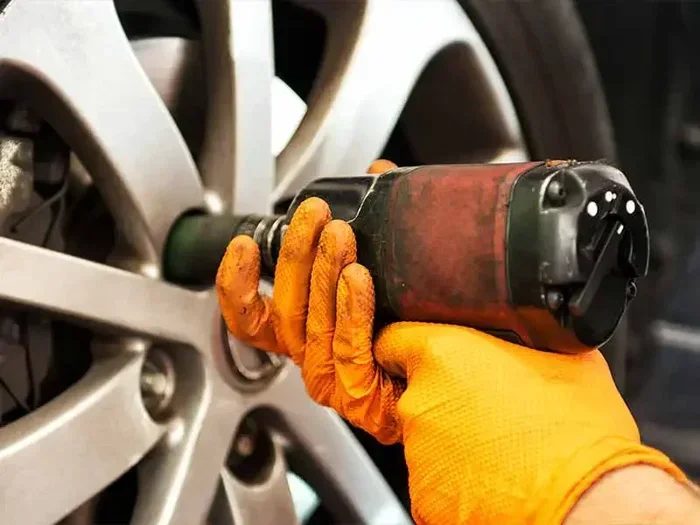
An impact wrench delivers sudden, high-torque bursts that are perfect for breaking loose seized lug nuts. If you have access to an air-powered or cordless impact wrench, this method works incredibly well.
Set the impact wrench to reverse mode. Place the lug nut socket firmly on the lug nut. Apply short bursts of power. The concussive force breaks the rust bond without requiring you to push hard. This method is a game-changer for stuck lug nuts that have been seized for years.
Method 4: The Bolt and Hammer Trick
This clever trick works well for lug nuts that are completely seized. Find a bolt that fits inside the lug nut socket. Thread it through the center of the lug nut. Place a wrench on the bolt head. Strike the wrench handle with a hammer.
The impact drives the bolt downward, which pushes the lug nut off the wheel stud in a counterclockwise direction. It sounds simple, but it works surprisingly well. This method avoids putting stress on the wheel studs and reduces the risk of damage.
Common Mistakes That Make Lug Nuts Worse
Some actions actually make stuck lug nuts harder to remove. Avoid these common mistakes at all costs.
Using the Wrong Socket Size
A loose-fitting lug nut socket will round off the corners of the lug nut. Once the edges are rounded, the socket slips out. You are left with a stripped lug nut that is even harder to remove. Always double-check your socket size before applying force.
Applying Force Too Quickly
Many people slam their lug wrench down hard right away. This approach often leads to broken tools or damaged threads. Start with gentle pressure. Let the penetrating oil do the work first. Gradually increase force as the lug nut begins to loosen.
Ignoring Thread Damage
If you notice that the threads on your wheel studs are worn or damaged, do not keep forcing the lug nut. Continuing to apply pressure will only worsen the damage. Inspect the threads carefully before and after removal. Damaged wheel studs need to be replaced by a qualified mechanic.
Not Using a Breaker Bar
A standard lug wrench does not provide enough leverage for severely stuck lug nuts. A breaker bar gives you the extra length and torque needed to break the bond. Every driver should keep a breaker bar in their trunk as part of their emergency car maintenance kit.
Skipping Anti-Seize on Reinstallation
After you successfully remove your lug nuts, always apply anti-seize compound before reinstalling them. This small step prevents the same problem from happening again. Skipping this step is one of the most common reasons drivers end up with stuck lug nuts a second time.
Preventing Lug Nuts from Seizing in the Future
The best way to deal with stuck lug nuts is to never have the problem in the first place. Prevention is simple and takes just a few extra minutes during tire maintenance.
Always clean the threads on your wheel studs before installing new lug nuts. Use a wire brush to remove any rust or debris. Apply a thin coat of anti-seize compound to the threads. This creates a barrier between the metal surfaces and prevents corrosion.
Follow the manufacturer’s torque specs exactly. Over-tightening is just as bad as under-tightening. Use a torque wrench to get the right tightness every time. Check your lug nuts periodically for any signs of loosening or corrosion. A quick inspection during every tire rotation goes a long way.
If you live in an area with harsh winters or salty roads, wash your wheels regularly. Road salt accelerates corrosion and rust formation. A simple rinse after winter driving can save you from seized lug nuts down the road.
Keep a tire removal kit in your trunk at all times. Include a breaker bar, a lug nut socket, penetrating oil, and a torque wrench. Being prepared means you are never caught off guard by a flat tire or stuck lug nuts.
When to Call a Professional
Most stuck lug nuts can be removed at home with the right tools and patience. However, there are situations where professional help is the smartest choice.
If the wheel studs are damaged or broken, a mechanic has the tools and expertise to replace them safely. If you have tried multiple methods and the lug nuts still will not move, forcing the issue can lead to costly damage to the wheel hub or brake components.
Also, if you are stranded on the roadside and do not have the proper tools, calling a roadside assistance service is always a smart move. Trying to remove stuck lug nuts without the right equipment can result in injury or further damage to your vehicle.
A professional mechanic can also inspect your tire removal setup and recommend upgrades. They might suggest upgrading to locking lug nuts for better security or switching to a different lug nut style that is less prone to seizing.
Key Takeaways
- Rust and corrosion are the top reasons lug nuts get stuck over time.
- Over-torquing during installation creates pressure that seizes lug nuts to the wheel studs.
- Penetrating oil, heat, and an impact wrench are the three most effective removal methods.
- Using the wrong socket size or applying force too quickly makes the problem worse.
- Anti-seize compound and proper torque habits prevent future seizing.
- Damaged wheel studs require professional inspection and replacement.
- Preparation and prevention save you from roadside tire removal emergencies.
Conclusion
Stuck lug nuts are one of the most frustrating problems a driver can face, but they are almost always solvable. Understanding the root cause, whether it is rust, over-torquing, or thread damage, puts you in control. With the right tools and a little patience, you can free even the most stubborn lug nuts and get back on the road safely.
Remember to apply anti-seize compound during every installation, follow the proper torque specs, and keep your car maintenance routine consistent. These simple habits prevent the problem from ever coming back. And when in doubt, do not hesitate to call a professional. Your safety always comes first.
Now that you know exactly what to do when your lug nuts won’t come off, you are prepared for whatever the road throws at you. Keep those tools handy, stay calm, and tackle the problem with confidence.
Can I use a regular wrench instead of a lug wrench?
You can, but it is not ideal. A lug wrench is specifically designed to fit lug nuts and provide the right leverage. A regular wrench may slip and damage the lug nut corners, making removal even harder.
How do I know if my wheel studs are damaged?
Look closely at the threads on the wheel studs. If you see stripped threads, bending, or cracks, the studs are damaged. You may also notice that lug nuts spin freely without tightening properly. In either case, have a mechanic inspect and replace the studs.
Is it safe to use a propane torch on a stuck lug nut?
Yes, it is safe as long as the tire and surrounding areas are cool and free of flammable materials. Always remove the tire first if possible. Never apply heat near fuel lines, brake lines, or rubber components. Let the lug nut cool before touching it.
What is the best penetrating oil for stuck lug nuts?
PB Blaster and WD-40 Specialist Penetrant are two of the most popular and effective options. They penetrate deep into rusted threads and break down corrosion. Apply generously, let it sit for at least 15 minutes, and repeat if needed.
Can I drive with a loose lug nut?
No. Driving with a loose lug nut is extremely dangerous. The wheel can loosen and come off while driving, causing a serious accident. Always ensure all lug nuts are tightened to the proper torque specs before driving.
How often should I check my lug nuts for tightness?
Check your lug nuts every time you rotate your tires or change a flat. A quick inspection every 5,000 miles is also a good habit. Use a torque wrench to verify the tightness matches the manufacturer’s recommendations.
Frequently Asked Questions
What is Why Won’t My Lug Nuts Come Off?
Why Won’t My Lug Nuts Come Off is an important topic with many practical applications.