Why Wont My Gas Tank Open And How To Get It Fixed
Your gas tank door won’t open for several common reasons, from a stuck gas cap to a broken latch mechanism. Knowing the root cause helps you pick the right fix quickly. This guide walks you through every reason your gas tank might be stuck and shows you how to get it working again. You’ll learn simple DIY tricks and know exactly when to call a mechanic. Most gas tank problems are easy and cheap to fix at home.
There’s nothing more frustrating than pulling up to the gas station and realizing your gas tank won’t open. You’re standing there with the fuel nozzle in hand, and your fuel door just sits there like it’s glued shut. This happens to drivers every single day. It’s annoying, it’s inconvenient, and it can ruin your entire afternoon. But here’s the good news: most of the time, this is a simple problem with a straightforward fix.
Whether your gas tank door is stuck due to a jammed gas cap, a broken latch, or an electrical issue, you’ve got options. This guide covers every reason your fuel door might refuse to open and gives you clear steps to get it working again. You don’t need to be a mechanic to handle most of these fixes. Let’s dive in and get your gas tank door unstuck.
Key Takeaways
- A stuck gas cap is the most common reason your fuel door won’t open and is usually easy to fix.
- Try the interior release lever or trunk release trick before attempting any repairs on your gas tank door.
- Rust and corrosion build up over time and can jam your fuel door latch permanently if ignored.
- Electronic fuel door actuators can fail due to wiring issues or blown fuses in your car.
- Regular maintenance prevents most gas tank problems and keeps your fuel door working smoothly for years.
- Know when to call a professional mechanic if simple fixes don’t resolve your stuck gas tank door.
📑 Table of Contents
Common Reasons Your Gas Tank Won’t Open
Before you start pulling and prying, it helps to understand what’s actually going on. Several things can cause your gas tank door to stick. Some are simple. Some need a little more attention. Let’s look at the most common culprits.
A Stuck or Jammed Gas Cap
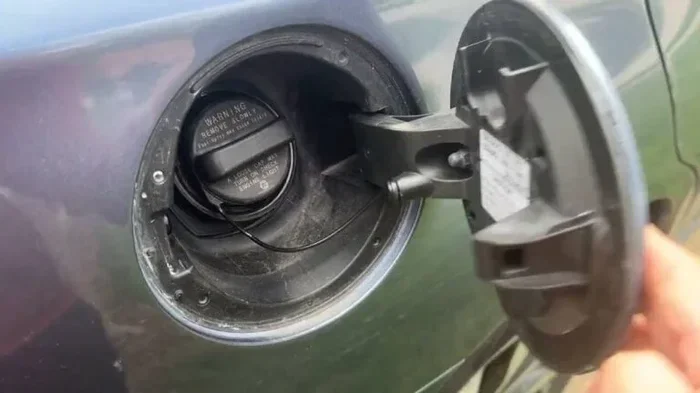
This is the number one reason people can’t open their gas tank. When your gas cap is tight or stuck, it can actually prevent the fuel door from releasing. The gas cap and fuel door latch are connected in many car models. If one is stuck, the other won’t move either.
A stuck gas cap happens for a few reasons. The seal can get gummed up with dirt and grime. Temperature changes can cause the cap to expand and lock in place. Or the cap might just be over-tightened from the last time you filled up. Whatever the reason, a jammed gas cap can make your entire gas tank door feel frozen.
Quick Tip: Try turning your gas cap gently counterclockwise before you try to open the fuel door. You might be surprised how often this alone solves the problem.
Broken Fuel Door Latch
The latch is the mechanism that holds your fuel door shut. Over time, latches wear out. They can bend, break, or get stuck in one position. A broken fuel door latch means your door simply won’t budge, no matter what you do.
Latches fail for many reasons. Rust is a big one, especially in cold or coastal climates where salt is common. Debris can also get caught in the latch mechanism and prevent it from working. And sometimes, a simple impact like a bump in the parking lot can knock a latch out of alignment.
Electronic Release Malfunction
Many modern cars have electronic fuel door openers. You press a button inside the cabin, and the fuel door pops open. When this system fails, you’re left with a door that won’t open at all. Electronic fuel door problems are more common than you might think.
The most common cause is a blown fuse. Your car has a fuse box, and one of the fuses controls the fuel door actuator. If that fuse blows, the electronic release stops working. Other causes include a faulty actuator motor, damaged wiring, or a broken release button. These issues are more common in older vehicles or cars that have been through rough weather.
Rust and Corrosion Buildup
Rust is a silent killer of car parts, and your gas tank door is no exception. Over months and years, moisture can build up around the fuel door edges. This leads to rust forming on the hinge, latch, and surrounding body panels. Once rust sets in, it can completely lock your fuel door in place.
Rust problems are worse in certain areas. If you live near the coast where salt air is common, you’re more likely to deal with rust on your gas tank door. Winter road salt also causes serious corrosion. Even a small amount of rust can make your fuel door stick and eventually prevent it from opening at all.
How to Manually Open a Stuck Gas Tank
When your gas tank door won’t open, don’t panic. Most cars have a manual override built in. These backup methods are designed for exactly this situation. Let’s walk through them step by step.
Using the Interior Release Lever
Almost every car made in the last 20 years has an interior release lever or button for the fuel door. This is usually located on the driver’s side door panel, near the floor. Some cars have it on the dashboard or near the steering column.
To use this method, sit in the driver’s seat and look for a small lever or button with a fuel pump icon. Pull or press it firmly. In most cases, this will release the fuel door latch and let you open the gas tank door from the outside. If it doesn’t work right away, try pulling it a few times to build up pressure in the release mechanism.
Expert Insight: Many drivers don’t even know their car has a manual fuel door release. Check your owner’s manual to find the exact location. This small piece of knowledge can save you a lot of headaches at the gas station.
The Trunk Release Trick
Here’s a trick that works on many car models: open your trunk and look for the fuel door release there. Some vehicles route the fuel door release through the trunk or rear cargo area. If you can access the trunk, check for a small lever or cable near the fuel door area inside the trunk space.
This method works especially well on SUVs and sedans where the fuel door is near the rear of the car. Simply pull the release, and the fuel door should unlock. From there, you can open it from the outside and access your gas tank.
Emergency Fuel Door Release
If neither the interior lever nor the trunk release works, don’t give up yet. Many cars have a third emergency release method. This is usually a small cable or tab hidden behind a trim panel near the fuel door. You might need to remove a plastic cover or use a flathead screwdriver to access it.
Once you find the emergency release, gently pull it. This should mechanically unlock the fuel door latch. Be careful not to pull too hard, as you could break the cable or damage the surrounding trim. This method should be your last resort before calling a professional.
Step-by-Step Fixes for a Stuck Gas Tank Door
Now that you know the common causes, let’s talk about how to actually fix them. These step-by-step solutions cover most gas tank door problems you’ll encounter.
Lubricating the Latch Mechanism
If your fuel door feels stiff or sticky, lubrication is your first line of defense. A simple spray lubricant can work wonders on a stuck gas tank door. Look for a silicone-based or white lithium grease spray at your local auto parts store.
Here’s how to do it: Spray the lubricant directly onto the fuel door latch and hinge points. Work the door open and closed several times to spread the lubricant evenly. Let it sit for a few minutes, then try opening the door again. This simple fix resolves the problem for many drivers.
Quick Tip: Apply lubricant to your gas tank door latch every 6 months as part of regular car maintenance. This prevents rust buildup and keeps the mechanism working smoothly all year long.
Replacing a Broken Gas Cap
If your gas cap is cracked, warped, or just old, replacing it might solve your fuel door problem. A new gas cap is inexpensive and easy to install. Most gas caps cost between $10 and $25 at any auto parts store or online.
To replace your gas cap, simply remove the old one by turning it counterclockwise. Clean the threads on the fuel filler neck with a damp cloth. Then screw on the new gas cap clockwise until it clicks. Make sure it’s snug but don’t over-tighten it. A properly sealed gas cap can often free up a stuck fuel door immediately.
Fixing the Electronic Release System
If your electronic fuel door release isn’t working, start by checking the fuse. Locate your car’s fuse box (your owner’s manual will show you where it is) and find the fuse labeled for the fuel door or central locking system. If the fuse is blown, replace it with one of the same amperage.
If the fuse is fine, the problem might be the actuator motor or the wiring. You can test the actuator by pressing the release button and listening for a clicking or humming sound. No sound usually means the actuator needs replacement. This is a more involved fix but still manageable for most DIYers with basic tools.
| Fix Method | When to Try | Cost | Difficulty |
|---|---|---|---|
| Lubricate latch | Door feels stiff or squeaky | $5-$10 | Easy |
| Replace gas cap | Cap is cracked or won’t seal | $10-$25 | Very Easy |
| Reset electronic release | Button doesn’t respond | $0 | Medium |
| Replace actuator | No sound when pressing button | $50-$150 | Moderate |
| Call a mechanic | Nothing else works | $75-$200 | N/A |
Quick Tips to Prevent Gas Tank Problems
The best way to deal with a stuck gas tank door is to prevent it from happening in the first place. A few simple habits can keep your fuel door working perfectly for years. These tips take just a few minutes but save you from a lot of frustration down the road.
- Always turn your gas cap until it clicks. This ensures a proper seal and prevents pressure buildup that can jam the fuel door.
- Keep the fuel door area clean. Wash around the gas tank door when you wash your car. Dirt and debris can work their way into the latch and cause sticking.
- Apply lubricant twice a year. A quick spray on the latch and hinge keeps everything moving freely.
- Don’t slam your fuel door. Gentle closing prevents misalignment and reduces wear on the latch mechanism.
- Check for rust spots regularly. Catching rust early makes it much easier to treat before it locks your door shut.
Common Mistakes That Cause Stuck Gas Tanks
Some habits actually make gas tank problems worse over time. Being aware of these mistakes can help you avoid them entirely.
Over-tightening the gas cap is the most common mistake. When you crank the cap down as hard as you can, it can warp the seal and put stress on the fuel door latch. Just turn it until you hear the click and stop there.
Ignoring warning signs is another big mistake. If your fuel door starts feeling stiff or makes unusual noises when you open it, don’t ignore it. Those early signs often point to a problem that will get worse if you don’t address it. A little attention early on can save you from a completely stuck gas tank door later.
Using the wrong fuel cap can also cause issues. Not all gas caps fit every car model. Using an incompatible cap can prevent proper sealing and lead to pressure problems that jam the fuel door. Always use the cap designed for your specific vehicle.
When to Call a Professional Mechanic
Most gas tank door problems can be fixed at home with basic tools and a little patience. But sometimes, the problem is beyond a DIY fix. Knowing when to call in the pros saves you time, money, and the risk of making things worse.
You should call a mechanic if the fuel door is completely frozen due to heavy rust. If the latch mechanism is visibly broken or a cable has snapped, professional repair is the safest option. Also, if you’ve tried all the manual release methods and nothing works, it’s time for expert help.
A professional mechanic can diagnose electronic issues, replace broken latches, and repair rust damage properly. The cost for a fuel door repair typically ranges from $75 to $200 depending on your car and the extent of the damage. It’s a small price compared to the hassle of a gas tank door that won’t open every time you need to fill up.
Expert Insight: If your car is still under warranty, check with your dealer before visiting an independent mechanic. Fuel door repairs might be covered, saving you money and ensuring the work is done with genuine parts.
Conclusion
A gas tank door that won’t open is a frustrating problem, but it’s almost always fixable. Whether the cause is a stuck gas cap, a broken latch, rust buildup, or an electronic malfunction, you now have the knowledge and tools to handle it. Start with the simplest solutions like lubrication and checking the gas cap. Work your way up to more involved fixes like replacing the actuator or addressing rust damage.
The key takeaway is this: most gas tank door problems are easy and inexpensive to fix. Regular maintenance like lubricating the latch and replacing a worn gas cap goes a long way in preventing these issues. Keep this guide saved for the next time your fuel door gives you trouble, and you’ll be back on the road in no time.
Don’t let a stuck gas tank door ruin your day. Use the tips and fixes in this guide, and you’ll handle any fuel door problem with confidence. Your gas tank door will be open and ready to go before you know it.
Frequently Asked Questions
Why won’t my gas tank open even after pressing the release button?
This usually means the electronic actuator or the fuse controlling the fuel door has failed. Check your fuse box first, as a blown fuse is the most common and easiest fix. If the fuse is fine, the actuator motor likely needs replacement, which a mechanic can handle quickly.
Can I drive my car with a stuck gas tank door?
Yes, you can drive safely, but you won’t be able to refuel until the door is fixed. If you have enough fuel to reach a mechanic or auto parts store, it’s fine to wait. However, don’t let the problem persist for too long, as rust and debris can worsen the issue over time.
How much does it cost to fix a stuck gas tank door?
DIY fixes like lubrication or replacing a gas cap cost under $25. Professional repairs for a broken latch or actuator typically run between $75 and $200. Rust repair costs vary depending on the severity and your vehicle model.
Is it safe to use force to open a stuck fuel door?
No, using excessive force can damage the hinge, break the latch, or dent the body panel. Always try manual release methods and gentle lubrication first. If nothing works, take your car to a professional mechanic who has the right tools and expertise.
What causes rust on a gas tank door?
Moisture buildup, exposure to road salt, and general weather wear cause rust on fuel doors. Cars in coastal areas or regions with harsh winters are especially prone to rust. Regular cleaning and lubrication help prevent rust from forming and locking your gas tank door shut.
How do I know if my gas cap needs replacing?
Look for visible cracks, warping, or a damaged seal on the gas cap. If your check engine light comes on and you recently filled up, a faulty gas cap might be the cause. A new gas cap is inexpensive and often fixes both fuel vapor leaks and stuck fuel door issues.