Why Is My Car Saying Traction Control Off Warning Light
The traction control off warning light on your dashboard can feel alarming, but it usually signals a simple issue with your traction control system. This light tells you that your vehicle’s stability and traction features are currently disabled, which can affect safety on wet or icy roads. Understanding what triggers this warning helps you take quick action and avoid costly repairs. In this guide, we break down every possible cause and fix so you can get back on the road with confidence.
Key Takeaways
- Warning Light Meaning: The traction control off light means your vehicle’s traction and stability systems are currently turned off or malfunctioning.
- Common Causes: Faulty wheel speed sensors, a bad ABS module, a tripped traction control switch, or low brake fluid can all trigger this light.
- Safety Risk: Driving with traction control off reduces grip on slippery surfaces and increases the chance of skidding or losing control.
- DIY Fixes: Some issues like a tripped switch or dead battery can be resolved at home with simple steps.
- Professional Help: Persistent lights often need a diagnostic scan tool and mechanic inspection to fix properly.
- Prevention: Regular maintenance of brake components and sensors keeps your traction control system working reliably.
📑 Table of Contents
- What Does the Traction Control Off Warning Light Mean?
- Common Reasons Why Your Car Says Traction Control Off
- How to Diagnose the Traction Control Warning Light
- Is It Safe to Drive with Traction Control Off?
- How to Fix and Reset the Traction Control Warning Light
- Preventing Traction Control Issues in the Future
- Expert Insight on Traction Control Systems
- Frequently Asked Questions
- Conclusion
What Does the Traction Control Off Warning Light Mean?
You are driving along, and suddenly you notice a little light on your dashboard that says traction control off. It can feel confusing and a bit scary. But here is the good news. In most cases, this light does not mean your car is about to break down. It means something in your traction control system needs attention.
Your car’s traction control system helps keep your wheels gripping the road. It works closely with the anti-lock braking system, also known as ABS. When the system detects that a wheel is spinning faster than it should, it reduces power or applies the brakes to that wheel. This keeps you stable, especially on wet, icy, or gravelly roads.
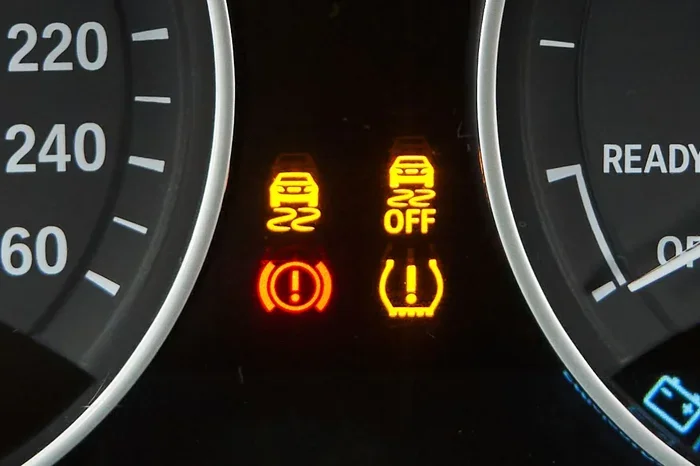
When the traction control warning light turns on, it means the system is either turned off manually or has detected a problem. Sometimes the light reads TRAC OFF. Other times it shows a car icon with skid marks underneath. Either way, the message is the same. Your traction and stability features are not fully active right now.
The light can come on for many reasons. Some are minor and easy to fix. Others point to a deeper issue that needs professional attention. Either way, ignoring this light is not a good idea. It could affect your safety, especially during bad weather or emergency maneuvers.
Common Reasons Why Your Car Says Traction Control Off
There are several reasons why your vehicle might display the traction control off message. Let us walk through the most common ones so you know what to look for.
1. You Turned Off the Traction Control System Manually
This is the simplest and most common reason. Many cars have a button or switch that lets you turn off traction control. You might find it on the steering column, the center console, or near the gear shift. If you or someone else accidentally pressed it, the light will come on.
Some drivers turn off traction control on purpose. For example, if you are stuck in snow or mud, disabling traction control can sometimes help your wheels spin and gain traction. But once you are free, you should turn it back on.
If you did not touch the switch, keep reading. There are other causes to consider.
2. Faulty Wheel Speed Sensors
Your car uses wheel speed sensors to monitor how fast each wheel is spinning. These sensors send real-time data to the traction control module and the ABS module. If one sensor fails or gets dirty, the system cannot read the wheel speeds correctly.
When the computer detects inconsistent or missing data, it often shuts off the traction control system as a safety measure. This triggers the traction control off warning light. Wheel speed sensors can fail because of dirt buildup, wire damage, or normal wear over time.
Replacing a wheel speed sensor is usually not expensive. But driving with a faulty sensor for too long can cause bigger problems with your ABS and stability control systems.
3. Bad ABS Module or Control Unit
The ABS module is the brain behind both your anti-lock braking system and your traction control system. These two systems share many components and rely on the same computer. If the ABS module starts to fail, it can affect your traction control too.
You might notice other signs alongside the light, such as:
- The ABS light also turning on
- Brakes feeling less responsive
- Unusual clicking or grinding noises when braking
- The brake pedal pulsing unexpectedly
A failing ABS module is a serious issue. It should be addressed quickly by a qualified mechanic. Driving without a working ABS module increases your risk of losing control during hard braking.
4. Low Brake Fluid Level
This one surprises a lot of people. Your traction control system relies on the braking system to work. If your brake fluid is low, the system may disable itself to prevent damage.
Check your brake fluid reservoir under the hood. The fluid should be between the minimum and maximum marks. If it is low, top it off with the correct type of brake fluid for your vehicle. But remember, low brake fluid often means there is a leak somewhere. So get it checked out if you keep needing to refill it.
5. Wiring or Electrical Issues
Modern cars are full of wires and electrical connections. Over time, wires can corrode, fray, or become loose. A damaged wire leading to the traction control module or a wheel speed sensor can cause the system to shut down.
Moisture is a big enemy here. Water can get into connectors under the car, especially near the wheel wells. This causes corrosion and intermittent electrical faults. If your light comes and goes randomly, an electrical issue is a strong possibility.
6. Faulty Traction Control Switch
Some vehicles have a dedicated traction control switch. Over time, this switch can wear out or develop a short circuit. When the switch malfunctions, it may send a false signal to the car’s computer, telling it the system is off even when it should be on.
This is a relatively simple fix. A mechanic can test the switch with a multimeter and replace it if needed. It is a quick and affordable repair in most cases.
7. Other Related Warning Lights
Sometimes the traction control off light appears alongside other warning lights. For instance, if the check engine light comes on at the same time, the root cause might be an engine or emissions problem. The car’s computer links many systems together, so a fault in one area can ripple into others.
Similarly, a failing stability control system or vehicle stability assist can trigger the traction control light. These systems work as a team. If one goes down, the others often follow.
How to Diagnose the Traction Control Warning Light
If your car is saying traction control off and you are not sure why, here is how you can start diagnosing the problem.
Step 1: Check the Traction Control Switch
Look for the traction control button in your owner’s manual. It is usually on the steering wheel or center console. Press it to see if the light turns off. If it does, the issue was a simple accidental toggle.
Step 2: Inspect the Brake Fluid
Open the hood and locate the brake fluid reservoir. Check the level against the markings on the side. Top it off if needed and see if the light goes away after a few minutes of driving.
Step 3: Use a Diagnostic Scan Tool
If the simple checks do not work, you will need a diagnostic scan tool. This device plugs into your car’s OBD-II port, which is usually under the dashboard on the driver’s side. The tool reads error codes stored in the car’s computer.
Common codes related to traction control issues include:
- C0034 – Wheel Speed Sensor Circuit Malfunction
- C0040 – ABS Motor Control Circuit
- C1200 – Traction Control System Malfunction
- C1234 – ABS Sensor Signal Error
You can buy or borrow a scan tool from an auto parts store. Many stores offer free code reading services. Once you have the code, you can look up what it means and decide whether it is a DIY fix or a job for a mechanic.
Step 4: Inspect the Wheel Speed Sensors
Walk around your car and look at each wheel. The wheel speed sensors are usually mounted near the hub assembly or the axle. Check for dirt, debris, or damage to the sensor and its wiring. Cleaning a sensor can sometimes fix the problem right away.
Is It Safe to Drive with Traction Control Off?
This is one of the most common questions people ask. The short answer is: it depends.
If you are driving on dry, clear roads and the light just came on, you are probably okay for a short distance. Your car’s basic braking and steering will still work normally. However, you lose the extra safety net that traction control provides.
Now, if you are driving on a wet highway, icy road, or gravel path, the answer changes completely. Without traction control, your wheels can spin freely when you accelerate. On a slippery surface, this can lead to fishtailing, hydroplaning, or a full loss of control.
Here is a quick guide to help you decide:
- Dry roads, short distance: You can drive carefully to a mechanic or home.
- Wet or icy roads: Avoid driving if possible. If you must, drive very slowly and leave extra space between you and other cars.
- Long distances: Do not ignore the light. Get the problem diagnosed and fixed as soon as you can.
The bottom line is that traction control is a safety feature. It was designed to keep you alive in dangerous driving situations. Treating the warning light seriously is always the right call.
How to Fix and Reset the Traction Control Warning Light
Once you know what is causing the traction control off light, fixing it becomes much easier. Here are the most common solutions.
Fix 1: Turn the System Back On
If the switch was accidentally pressed, simply press it again to reactivate traction control. The light should turn off within a few seconds of driving. This is the easiest fix of all.
Fix 2: Clean or Replace the Wheel Speed Sensor
Remove the sensor and clean it with a soft cloth. If the sensor is damaged or the wiring is broken, you will need to replace it. Most wheel speed sensors cost between 20 and 100 dollars, and the replacement is straightforward for anyone with basic car knowledge.
Fix 3: Top Off or Replace Brake Fluid
If the brake fluid level was low, refill it to the proper level. Then start the car and let it idle for a few minutes. The traction control light should reset on its own. If it does not, you may have a leak that needs professional repair.
Fix 4: Reset the System After Repair
After fixing the underlying issue, you can reset the warning light. Disconnect the car battery for about 15 minutes. Reconnect it and start the car. The light should be off if the repair was successful. Alternatively, use a diagnostic scan tool to clear the error codes.
Fix 5: Replace the ABS Module or Traction Control Switch
If the ABS module or the traction control switch is faulty, replacement is usually necessary. This is a job best left to a professional mechanic. The cost varies depending on your vehicle make and model, but expect to pay anywhere from 200 to 800 dollars for parts and labor.
Quick Tips
- Always check your owner’s manual for the exact location of the traction control switch.
- Keep a basic diagnostic scan tool in your glove box. It can save you time and money.
- Do not ignore the light even if your car seems to drive fine.
- Regular car maintenance helps prevent most traction control issues before they start.
Preventing Traction Control Issues in the Future
The best way to deal with the traction control off warning light is to prevent it from happening in the first place. Here are some simple habits that keep your system working smoothly.
Keep up with regular maintenance. Follow your vehicle’s service schedule for brake inspections, fluid changes, and sensor checks. Most cars need a brake fluid flush every two years. This keeps the entire braking and traction system healthy.
Drive carefully over rough roads. Potholes, debris, and rough terrain can damage wheel speed sensors and their wiring. When you can, avoid driving over curbs, speed bumps too fast, or badly damaged roads.
Keep your wheels clean. Mud, ice, and road grime can build up around the wheel hubs and sensors. Rinse your wheels regularly, especially after driving in muddy or snowy conditions.
Address warning lights promptly. If any dashboard light comes on, do not ignore it. The longer you wait, the more damage can occur. A small issue today can become a big repair bill tomorrow.
Use quality parts. When replacing sensors, switches, or brake components, go with quality parts that meet or exceed OEM standards. Cheap parts may save money upfront but can fail much sooner.
These small habits add up over time. They keep your traction control system in top shape and help you stay safe on every drive.
Expert Insight on Traction Control Systems
According to automotive safety experts, the traction control system is one of the most underrated safety features in modern vehicles. Many drivers do not even realize it is working until something goes wrong.
John Nielsen, a certified automotive engineer, explains that traction control works best when combined with other safety systems. Electronic stability control, anti-lock braking, and vehicle stability assist all work together to keep the car stable. When one system fails, the others are affected too.
He also emphasizes that drivers should never rely on traction control to compensate for reckless driving. The system can help prevent skids, but it cannot defy the laws of physics. Safe driving habits, proper tire maintenance, and regular vehicle inspections remain the foundation of road safety.
If you live in an area with harsh winters or frequent rain, pay extra attention to your traction control system. Wet and icy roads are where this system proves its value the most. Keeping it in good working order is not optional. It is essential.
Frequently Asked Questions
What causes the traction control off light to come on?
The light can come on for several reasons, including a faulty wheel speed sensor, low brake fluid, a bad ABS module, a tripped traction control switch, or wiring problems. Sometimes it is as simple as someone accidentally pressing the traction control off button. A diagnostic scan tool can help identify the exact cause by reading the error codes stored in your car’s computer.
Can I drive my car with the traction control light on?
You can drive a short distance on dry roads, but it is not recommended for long distances or in poor weather conditions. Without traction control, your wheels can spin freely on wet or icy surfaces, increasing the risk of accidents. If the light stays on, get the system checked by a mechanic as soon as possible.
How much does it cost to fix a traction control warning light?
The cost depends on the cause. Replacing a wheel speed sensor typically costs between 50 and 200 dollars. Fixing a wiring issue might be 50 to 150 dollars. However, replacing an ABS module can cost anywhere from 300 to 800 dollars. Always get a professional diagnosis before committing to a repair.
Will the traction control light reset itself?
In some cases, yes. If the issue was temporary, such as a momentary sensor glitch or low brake fluid that you topped off, the light may turn off after a few driving cycles. You can also reset it by disconnecting the battery for 15 minutes or using a diagnostic scan tool to clear the codes. If the light comes back, the underlying problem is not fully resolved.
Is the traction control system the same as the stability control system?
They are closely related but not exactly the same. Traction control prevents wheel spin during acceleration. Stability control helps keep the car on its intended path during turns and sudden maneuvers. Both systems share sensors and components, so a problem with one can affect the other. Many vehicles combine both systems into one integrated safety feature.
How can I prevent traction control problems?
Regular maintenance is the best prevention. Keep up with brake fluid changes, inspect your wheel speed sensors during routine service, and keep your wheels clean. Drive carefully over rough roads to avoid damaging sensors and wiring. And never ignore dashboard warning lights. Catching small issues early saves you from bigger problems down the road.
Conclusion
Seeing the traction control off warning light on your dashboard can be stressful, but it does not have to be a panic moment. In most cases, the cause is something simple and fixable. Whether it was an accidental switch press, a dirty wheel speed sensor, or low brake fluid, the solution is often straightforward and affordable.
The key is to take the warning seriously. Your traction control system is a critical safety feature. It works hard behind the scenes to keep you stable and in control, especially when road conditions get tough. When that light comes on, it is asking for your attention.
Start with the simple checks. Look at the switch, inspect the brake fluid, and use a diagnostic scan tool if needed. If the problem persists, do not hesitate to visit a trusted mechanic. Addressing the issue early keeps you safe and prevents more expensive repairs down the road.
Stay proactive with your car maintenance. Keep your sensors clean, your fluids topped off, and your wiring in good shape. These small efforts go a long way in keeping your traction control system working exactly when you need it most. Drive safely, and never ignore what your car is trying to tell you.