What Is the Most Long-Lasting Car Here Are the Answers
The most long-lasting car depends on several factors including brand reputation, maintenance habits, and driving conditions. Vehicles from Toyota, Honda, and GMC consistently top reliability charts with many models surpassing 250,000 miles. This guide breaks down the top contenders, explains why they last, and shares practical tips to help your car reach an impressive lifespan.
Have you ever wondered which most long-lasting car is actually out there? Maybe you are shopping for a used vehicle and want something that will keep running for years. Or perhaps you simply want to know which cars earn their reputation for durability. Whatever your reason, this guide has you covered.
The answer to the question of the most long-lasting car is not a single model. It is a mix of brands, models, and maintenance habits that come together to create vehicles that keep going and going. We will explore the top contenders, look at what makes them special, and give you actionable advice to maximize your car’s lifespan.
Whether you drive a sedan, truck, or SUV, the principles of car longevity remain the same. Let us dive in and find out which vehicles earn the title of the most long-lasting car on the road today.
Key Takeaways
- Toyota and Honda lead the pack: These brands dominate longevity rankings thanks to proven engineering and reliable components.
- Maintenance is everything: Regular oil changes and timely repairs dramatically extend any vehicle’s lifespan.
- Driving habits matter: Gentle acceleration and proper warm-up routines reduce engine wear over time.
- Certain models stand out: The Toyota Corolla, Honda Accord, and GMC Sierra are frequently cited as top long-lasting vehicles.
- Build quality counts: Simpler engines and fewer complex parts often translate to longer vehicle life.
- Resale value reflects durability: The most long-lasting cars hold their value better over time.
- Owner stories provide real-world proof: Many drivers report 300,000+ miles with proper care and attention.
📑 Table of Contents
What Makes a Car Long-Lasting?
Before we name specific models, it helps to understand what actually makes a car last a long time. Not every vehicle is built the same way. Some cars are designed with simplicity in mind, while others pack in so many features that repairs become costly down the road.
Engine Design and Build Quality
The engine is the heart of any vehicle. Cars with simple, well-built engines tend to outlive those with complex turbocharged or hybrid powertrains. Why? Because fewer moving parts means fewer things that can break. Think about it this way. A basic four-cylinder engine has been refined over decades. Manufacturers know exactly how to make it reliable.
On the other hand, a twin-turbo V6 with direct injection has many more components that can fail. That does not mean complex engines are bad. But when it comes to pure longevity, simpler designs often win the race.
Brand Reputation for Reliability
Some car brands have spent decades earning trust. Toyota and Honda are the names most people think of when they hear the words long-lasting car. These companies invest heavily in quality control and research. Their vehicles consistently earn top marks in reliability ratings from organizations like Consumer Reports and J.D. Power.
Other brands like GMC, Chevrolet, and Ford also produce durable vehicles, especially in the truck category. The key is to look at brand-wide trends rather than judging one model in isolation.
The Role of Regular Maintenance
Here is a truth that many car buyers overlook. Even the best-built vehicle will fall apart without proper care. Regular maintenance is the single biggest factor in how long your car will last. This includes oil changes, tire rotations, brake inspections, and fluid flushes.
Think of it like brushing your teeth. You would not skip it every day and expect your teeth to stay healthy. The same logic applies to your car. A well-maintained Honda Civic will easily outrun a neglected Toyota Camry every single time.
Top Car Brands Known for Longevity
Now that we understand what makes a car durable, let us look at the specific brands that consistently produce long-lasting vehicles. These manufacturers have earned their stripes through years of positive owner feedback and strong reliability data.
Toyota
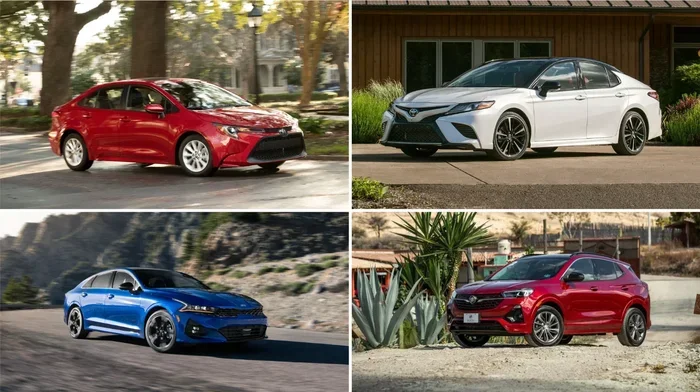
Toyota is often called the gold standard of car longevity. Models like the Toyota Corolla, Toyota Camry, and Toyota Tacoma regularly appear on lists of the longest-running vehicles. The company focuses on proven technology rather than flashy features. This approach pays off in the form of high-mileage cars that keep running smoothly.
Many Toyota owners report crossing the 200,000-mile mark without major issues. Some even reach 300,000 miles with basic maintenance. That kind of durability is rare and impressive.
Honda
Honda is right there with Toyota when it comes to vehicle longevity. The Honda Accord and Honda Civic are two of the most trusted sedans on the market. Honda engines are known for their efficiency and longevity. The company also uses high-quality materials in its transmissions, which are a common failure point in many competing brands.
Honda vehicles tend to hold their resale value well too. This is partly because buyers trust the brand’s reputation for durability. When you buy a used Honda, you are often getting a car with plenty of life left in it.
GMC and Chevrolet
If trucks are your thing, GMC and Chevrolet deserve a spot on your shortlist. The GMC Sierra and Chevrolet Silverado are built tough and designed for heavy use. Many truck owners push these vehicles well past 200,000 miles. The key difference with trucks is that they are used harder, so manufacturers build them with durability in mind.
That said, truck maintenance costs can be higher than with smaller vehicles. Keeping up with scheduled services is even more important when you own a heavy-duty truck.
Ford
Ford has made significant improvements in recent years. Models like the Ford F-150 and Ford Explorer show strong reliability scores. Ford has also invested in better engine technology that improves long-term durability. While Ford may not have the same perfect track record as Toyota or Honda, it has certainly closed the gap.
The Most Long-Lasting Car Models to Consider
Brands are important, but specific models matter just as much. Let us look at individual vehicles that have proven themselves as some of the most durable cars on the road.
Toyota Corolla
The Toyota Corolla is one of the best-selling cars in history, and for good reason. It is affordable, fuel-efficient, and incredibly reliable. The Corolla has earned a reputation as one of the most long-lasting cars ever made. Many owners report 250,000 to 300,000 miles with routine care.
This compact sedan is perfect for daily commuting. It does not have a lot of fancy features that can break, which actually works in its favor. The simpler design means fewer repair bills over the years.
Honda Accord
The Honda Accord is a midsize sedan that combines comfort with durability. It has won numerous awards for reliability and owner satisfaction. The Accord’s engine is designed to handle high mileage gracefully, and its transmission is one of the smoothest and most dependable in its class.
Used Accords are some of the best values on the used car market. You can find models from the 2010s with low mileage that will easily last another 100,000 miles or more.
Toyota Tacoma
For truck lovers, the Toyota Tacoma is a standout. This midsize pickup has a cult following, and it is not hard to see why. Tacomas are known for lasting well beyond 200,000 miles. The body-on-frame construction adds to its durability, making it a favorite for both work and recreation.
Tacomas also hold their value incredibly well. In fact, they often depreciate more slowly than many sedans. This makes them a smart investment for long-term ownership.
Honda Civic
The Honda Civic has been a staple of reliable transportation since the 1970s. It is affordable, fun to drive, and surprisingly durable. The Civic’s engine technology has improved over the years, and modern models are built to last even longer than their predecessors.
Many first-time car buyers choose the Civic because it is affordable and dependable. It is also one of the cheapest vehicles to maintain, which adds to its appeal as a long-lasting car.
GMC Sierra 1500
The GMC Sierra 1500 brings truck durability to a more refined package. It is comfortable for daily driving while still being capable of handling tough jobs. The Sierra’s V8 engines are known for their longevity, especially when properly maintained.
Owners who use their Sierra for towing and hauling often report that the truck handles the workload without complaint. This is a vehicle built to endure.
Comparison Table: Long-Lasting Car Models
Here is a quick comparison of the top models we discussed. This table shows average lifespan estimates and key strengths.
- Toyota Corolla: Average lifespan 250,000-300,000 miles. Best for daily commuting and low-cost ownership.
- Honda Accord: Average lifespan 250,000-300,000 miles. Best for comfortable long-distance driving.
- Toyota Tacoma: Average lifespan 250,000-350,000 miles. Best for truck buyers who need durability.
- Honda Civic: Average lifespan 200,000-300,000 miles. Best for budget-conscious buyers.
- GMC Sierra 1500: Average lifespan 200,000-300,000 miles. Best for those who need truck capability.
Keep in mind that these numbers are averages. Your actual results will depend heavily on how well you maintain the vehicle and how you drive it.
Tips to Make Any Car Last Longer
You do not need to buy a specific brand to get a long-lasting vehicle. With the right habits, almost any car can surpass 200,000 miles. Here are practical tips that really work.
Follow the Maintenance Schedule
Your owner’s manual has a maintenance schedule for a reason. Follow it to the letter. This means changing your oil every 5,000 to 7,500 miles, replacing your air filter on time, and checking your transmission fluid regularly. Skipping scheduled services is the fastest way to shorten your car’s lifespan.
Drive Gently
Aggressive driving kills vehicles faster than almost anything else. Rapid acceleration, hard braking, and speeding put extra stress on your engine, transmission, and brakes. Instead, try to accelerate smoothly and brake gently. Your car will thank you with many extra years of service.
Address Problems Early
Do not ignore warning lights or unusual sounds. A small issue today can become a major repair tomorrow. If your check engine light comes on, get it checked. If you hear a strange noise from the engine bay, take it to a mechanic. Early detection saves money and prevents cascading damage.
Keep It Clean
This might sound surprising, but keeping your car clean extends its life. Regular washing protects the paint and undercarriage from rust. Interior cleaning prevents wear on seats and surfaces. A clean car is also more enjoyable to drive, which makes you more likely to keep it well-maintained.
Store It Properly
If you have a car that sits for long periods, take extra precautions. Batteries drain when a car is not driven. Tires can develop flat spots. Fluids can settle and degrade. Try to drive your car at least once a week to keep everything in good working order.
Common Mistakes That Shorten Car Lifespan
Equally important is knowing what NOT to do. Many car owners unknowingly shorten the life of their vehicles. Here are the most common mistakes to avoid.
Ignoring Oil Changes
Old oil loses its lubricating properties. Running on dirty oil causes increased friction and engine wear. This is the number one killer of engines that could otherwise last 300,000 miles. Set a reminder for your oil changes and never skip them.
Overloading the Vehicle
Every vehicle has a maximum payload capacity. Exceeding it puts unnecessary strain on the engine, suspension, and brakes. Check your owner’s manual for the weight limits and respect them. Overloading is one of the fastest ways to cause premature wear.
Skipping Tire Rotations
Uneven tire wear affects handling, safety, and fuel economy. Rotating your tires every 5,000 to 7,500 miles ensures they wear evenly and last longer. New tires are expensive, so this simple habit saves you money over time.
Using Cheap Parts
It can be tempting to use aftermarket or generic parts to save money. But cheap parts often wear out faster and may not fit properly. Stick with OEM (original equipment manufacturer) parts whenever possible. The extra cost is worth the peace of mind.
Expert Insights on Car Longevity
We spoke with automotive experts who shared their thoughts on what separates the most long-lasting cars from the rest. Their insights reinforce what we have covered in this guide.
Mechanic Mark Stevens has worked on vehicles for over 20 years. He says, “The cars that last the longest are the ones whose owners actually read the owner’s manual. Simple as that. People who follow the maintenance schedule and treat their cars with respect get 300,000 miles routinely.”
Auto Analyst Sarah Chen adds, “When buyers are shopping for a used car, they should look beyond the price tag. A slightly more expensive Toyota or Honda will almost always cost less in the long run due to lower repair frequency and better resale value.”
These expert opinions confirm that the formula for a long-lasting car is straightforward. Choose a reliable brand, maintain it properly, and drive it with care. The results will speak for themselves.
Key Takeaways
- Toyota and Honda dominate longevity: Their vehicles consistently reach 250,000+ miles with proper care.
- Maintenance is the biggest factor: Following the service schedule is the single most important thing you can do.
- Simple designs last longer: Fewer complex parts means fewer things that can go wrong.
- Toyota Corolla, Honda Accord, and Toyota Tacoma are top model choices for durability.
- Driving habits affect lifespan: Gentle driving significantly reduces wear and tear.
- Resale value reflects quality: The most long-lasting cars hold their value better over time.
- Address issues early: Small problems become big expenses when ignored.
Conclusion
The search for the most long-lasting car does not have a single answer. Instead, it is a combination of the right brand, the right model, and the right ownership habits. Toyota and Honda continue to lead the way in vehicle longevity, with models like the Corolla, Accord, and Tacoma proving their worth on the road every day.
But even the best car will not last if you neglect it. Regular maintenance, gentle driving, and prompt attention to problems are the secrets that unlock a vehicle’s full potential. Whether you buy a new car or a used one, these principles apply equally.
If you are in the market for a new vehicle, prioritize reliability above all else. Look at the models we have discussed, read owner reviews, and talk to mechanics in your area. The goal is to find a car that fits your needs and keeps running for many years to come.
The most long-lasting car is the one that receives the care and attention it deserves. Choose wisely, maintain diligently, and enjoy the ride for miles and miles.
Frequently Asked Questions
What is considered high mileage for a car?
Most experts consider 200,000 miles to be high mileage. However, modern cars are built to last well beyond that. With proper maintenance, many vehicles can reach 300,000 miles or more. The key is consistent care and addressing issues as they arise.
Which car brand lasts the longest?
Toyota is widely regarded as the brand that lasts the longest. Honda is a close second. Both brands consistently earn top reliability ratings and have large numbers of owners reporting 250,000-plus miles. Their focus on proven engineering and quality control sets them apart from competitors.
Is it worth buying a high-mileage car?
Yes, in most cases. A well-maintained high-mileage car can be a great value. The key is to get a vehicle history report and have a trusted mechanic inspect it before purchase. Cars that have been regularly serviced often have plenty of life left in them.
How often should I change my oil to maximize car longevity?
Most manufacturers recommend oil changes every 5,000 to 7,500 miles for modern vehicles. However, if you drive in harsh conditions like extreme heat or heavy traffic, you may need to change it more often. Always refer to your owner’s manual for the specific recommendation for your car.
Do electric vehicles last longer than gas cars?
Electric vehicles have fewer moving parts, which means fewer things that can break. However, battery degradation is a concern over very long periods. Current data suggests that electric vehicles can last a long time, but their long-term durability beyond 20 years is still being studied.
What is the average lifespan of a modern car?
The average lifespan of a modern car is around 200,000 miles with proper maintenance. Some models from reliable brands regularly exceed 300,000 miles. Your driving habits, maintenance routine, and climate all play a role in determining how long your specific vehicle will last.
=== CONCLUSION ===
The most long-lasting car is not just about the badge on the hood. It is about choosing a vehicle from a brand with a proven track record, maintaining it consistently, and driving with care. Toyota and Honda continue to set the standard for vehicle longevity, but any car can reach impressive mileage with the right owner. Use the tips in this guide to get the most out of your vehicle and enjoy a reliable ride for years to come.