What Is the Heaviest Part of a Forklift and Why It Matters
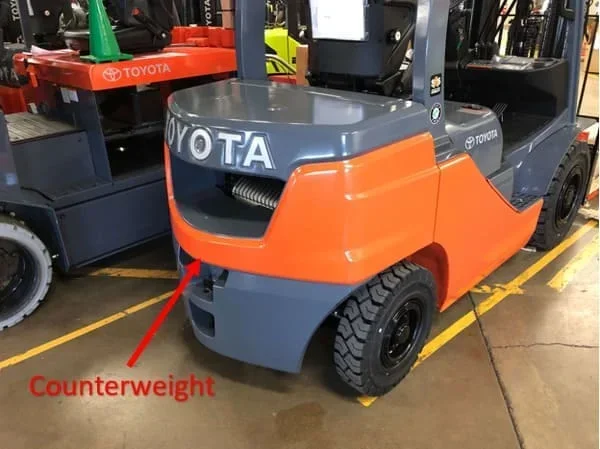
The heaviest part of a forklift is the counterweight, a massive block of cast iron or steel mounted at the rear of the truck. This component is essential for balancing the load on the forks and keeping the forklift stable during operation. Understanding forklift weight distribution helps operators work safer and avoid dangerous tipping accidents.
Have you ever wondered what keeps a forklift from tipping over when it lifts a heavy load? The answer lies in one key component that most people overlook. What Is the Heaviest Part of a Forklift? It is the counterweight, and it plays a massive role in keeping every forklift operation safe and stable.
Forklifts are incredible machines. They lift thousands of pounds with ease, moving materials across warehouses, construction sites, and loading docks every single day. But behind that impressive lifting power is a carefully engineered system of weight and balance. Forklift weight distribution is not just a technical detail. It is the foundation of safe forklift operation.
In this article, we will break down everything you need to know about the heaviest part of a forklift. We will explore how the counterweight works, why it matters, and how other heavy components contribute to overall forklift stability. Whether you are a new operator or a seasoned warehouse manager, this guide will give you practical insights you can use today.
Key Takeaways
- The counterweight is the heaviest single component on most forklifts, designed to offset the weight of loads lifted at the front.
- Forklift stability depends on proper weight distribution between the counterweight and the load being carried.
- The mast assembly and rear axle are also heavy parts that contribute to the overall forklift weight.
- Understanding the stability triangle helps operators prevent forklift tipping accidents.
- Regular maintenance of weight systems ensures safe and efficient forklift operation over time.
- Choosing the right forklift capacity starts with understanding how the heaviest parts affect performance.
📑 Table of Contents
The Counterweight: The Heaviest Part of a Forklift
When people ask what is the heaviest part of a forklift, the answer is almost always the counterweight. This heavy block sits at the rear of the forklift and does one critical job. It balances the weight of the load sitting on the forks at the front of the truck.
Without a counterweight, a forklift would tip forward the moment you lifted anything heavy. Think of it like a seesaw. The load on the front is one side. The counterweight on the back is the other side. The whole system stays balanced when these two forces work together properly.
How the Counterweight Works
The counterweight is typically made of cast iron or steel. It is bolted directly to the rear of the forklift frame. The heavier the forklift capacity, the heavier the counterweight needs to be. A small forklift rated for 3,000 pounds might have a counterweight of around 1,500 pounds. A large counterbalance forklift rated for 10,000 pounds could have a counterweight exceeding 5,000 pounds.
Here is how it works in simple terms:
- The load sits on the forks at the front of the forklift.
- The counterweight at the rear pushes down to keep the front axle grounded.
- The forklift stays level and stable as long as the counterweight is heavier than the load torque.
This balance is what allows forklifts to lift heavy loads without tipping. It is a brilliant piece of engineering that has been refined over decades of forklift design.
Different Types of Counterweights
Not all counterweights are the same. Different forklift designs use different counterweight systems depending on the application and the forklift weight capacity.
Cast iron counterweights are the most common type. They are dense, durable, and cost-effective. These are found on most standard counterbalance forklifts used in warehouses and distribution centers.
Steel counterweights are sometimes used when a more compact design is needed. Steel is lighter than cast iron by volume, so manufacturers can use less space while still achieving the same counterbalance effect.
Water ballast counterweights are used in some specialty forklifts. These allow operators to fill or empty water tanks to adjust the counterweight based on the load. This is less common but useful in situations where forklifts handle varying load weights throughout the day.
Why the Counterweight Is So Heavy
Understanding forklift stability starts with understanding why the counterweight needs to be so heavy. The answer comes down to physics. Every forklift has a center of gravity, and that center of gravity shifts as loads are lifted and moved.
The Physics Behind Forklift Balance
When a forklift lifts a load, the combined center of gravity moves forward. The counterweight keeps the overall center of gravity within a safe zone. If the center of gravity shifts too far forward, the forklift tips forward. If it shifts too far to the side, the forklift tips sideways.
Forklift tipping is one of the most common causes of forklift accidents. The counterweight is the primary defense against this danger. It is specifically designed to be the heaviest part at the rear so that the front wheels stay planted on the ground even under heavy loads.
The forklift rated capacity is always listed with a specific load center distance. This distance is typically 24 inches from the face of the forks. If the load center shifts forward beyond this distance, the forklift becomes less stable. The counterweight helps compensate for this shift, but only up to a point.
Load Center and Stability
The load center distance is a critical concept in forklift operation. It refers to the distance from the fork face to the center of gravity of the load. A standard pallet has its center of gravity at 24 inches from the fork face.
When you lift a load with a longer center of gravity, the forklift becomes less stable. The counterweight can only do so much. This is why forklift operators must always respect the rated capacity and never overload the forklift.
Here are some key points about load center and stability:
- A shorter load center means better forklift balance.
- A longer load center shifts the center of gravity forward and reduces stability.
- The counterweight capacity is designed around the standard load center distance.
Other Heavy Components in a Forklift
While the counterweight is the single heaviest part, it is not the only heavy component. A forklift is a complex machine with several heavy parts that work together to create a safe and capable lifting system.
The Mast Assembly
The mast is the vertical structure at the front of the forklift that raises and lowers the forks. It is made up of interlocking rails, chains, and hydraulic cylinders. A heavy-duty mast assembly can weigh several hundred pounds on its own.
The mast contributes significantly to the overall forklift weight, especially when it is raised. When the mast is fully raised, the center of gravity shifts upward and slightly forward. This is why operators are trained to keep loads low to the ground whenever possible.
The Rear Axle and Frame
The rear axle and frame also add to the heavy forklift parts list. The frame is a thick steel structure that supports the entire forklift. The rear axle houses the wheels and supports the counterweight. Together, these components add substantial weight to the rear of the truck.
This rear weight is essential. It anchors the forklift and keeps the front wheels pressed down when lifting loads. Without the frame and rear axle, the counterweight would have nothing to attach to, and the forklift would be completely unstable.
The Engine or Battery
For internal combustion forklifts, the engine is another heavy component. A typical forklift engine can weigh several hundred pounds. For electric forklifts, the battery pack serves a similar purpose. It adds weight to the rear or under the chassis, contributing to forklift counterbalance.
Electric forklift batteries are particularly interesting because they serve a dual purpose. They power the forklift and they act as part of the counterweight system. This is one reason electric forklifts are so popular in indoor environments. They provide excellent counterbalance without the emissions of a combustion engine.
How Weight Distribution Affects Forklift Safety
Weight distribution is the single most important factor in forklift safety. When the weight is balanced correctly, the forklift operates smoothly and safely. When it is not, the risks increase dramatically.
The Stability Triangle
Every forklift operator should understand the stability triangle. This concept describes the three points of support that keep a forklift stable. The two front wheels and the pivot point of the rear axle form a triangle.
As long as the forklift’s center of gravity stays within this triangle, the forklift is stable. If the center of gravity moves outside the triangle, the forklift tips. The counterweight plays a vital role in keeping the center of gravity inside the stability triangle at all times.
Forklift safety depends on operators understanding this concept. It is why training is so important. A well-trained operator knows how to keep the forklift balanced during every lift, turn, and drive.
Common Mistakes That Affect Balance
Even experienced operators can make mistakes that affect forklift balance. Here are some common errors to avoid:
- Lifting loads too high. Raising the load raises the center of gravity and reduces stability.
- Turning too fast. Sharp turns at speed can shift the center of gravity outside the stability triangle.
- Driving on slopes with elevated loads. Inclines combined with raised loads are extremely dangerous.
- Overloading the forklift. Exceeding the rated capacity overwhelms the counterweight and creates a tipping hazard.
- Carrying loads with an uneven center of gravity. Loads that are not centered on the forks create lateral instability.
Avoiding these mistakes keeps operators safe and protects the forklift from damage. The counterweight can only do its job when the operator follows proper procedures.
Choosing the Right Forklift for Your Needs
Selecting the right forklift starts with understanding how the heaviest parts affect performance. Different forklift types have different weight characteristics, and choosing the wrong one can create safety and efficiency problems.
Matching Weight Capacity to the Job
Every forklift has a forklift capacity rating that is based on its counterweight and overall design. A forklift rated for 5,000 pounds will have a heavier counterweight than one rated for 2,000 pounds. The capacity rating assumes a standard load center distance of 24 inches.
When choosing a forklift, consider these factors:
- The average weight of your loads. Choose a forklift with a capacity well above your typical load weight.
- The load center distance. If your loads are longer than standard, you may need a higher capacity rating.
- The forklift weight itself. Heavier forklifts are more stable but may damage delicate floor surfaces.
- The counterweight design. Some forklifts use standard counterweights while others use specialized designs for specific environments.
Taking the time to match the forklift to the job pays off in safety and productivity. An undersized forklift is dangerous. An oversized forklift wastes energy and may not fit in tight spaces.
Counterbalance vs. Reach Trucks
It is worth comparing counterbalance forklifts with reach trucks. Counterbalance forklifts use the rear counterweight to balance loads. They are versatile and work well in outdoor and indoor environments.
Reach trucks, on the other hand, do not have a counterweight. Instead, they use an extendable carriage and a battery pack for counterbalance. They are designed for narrow aisle operations where space is limited. Understanding the difference helps you choose the right equipment for your facility.
Maintenance Tips for Forklift Weight Systems
Keeping the counterweight and related components in good condition is essential for long-term forklift performance. Regular maintenance prevents problems before they become serious safety issues.
Regular Inspections
Inspect the counterweight during every pre-shift check. Look for cracks, chips, or signs of damage. A damaged counterweight can shift during operation, compromising forklift stability. Even small cracks can grow over time and lead to catastrophic failure.
Check the mounting bolts that secure the counterweight to the frame. Loose bolts can allow the counterweight to shift or fall off during operation. This is a serious hazard that can cause the forklift to tip unexpectedly.
When to Service Your Counterweight
Schedule professional inspections of the counterweight system at least once a year. A trained technician can identify issues that are not visible during a routine check. They can also verify that the counterweight is still rated for the forklift’s capacity.
Replace any counterweight that shows signs of wear or damage immediately. Do not try to weld or repair a cracked counterweight. A repair may seem to work temporarily, but it compromises the structural integrity of the component.
Also, keep the counterweight clean. Built-up dirt, grease, and debris can mask damage and make it harder to spot problems during inspections. A clean counterweight is a safe counterweight.
Frequently Asked Questions
What is the heaviest part of a forklift?
The counterweight is the heaviest single part of a forklift. It is typically made of cast iron or steel and is mounted at the rear of the forklift to balance the load on the forks. The weight of the counterweight varies depending on the forklift capacity and model.
Why do forklifts need a counterweight?
Forklifts need a counterweight to prevent tipping forward when lifting heavy loads. The counterweight provides a balancing force at the rear of the truck that keeps the front wheels grounded and the forklift stable during operation.
How much does a forklift counterweight weigh?
The counterweight weight depends on the forklift capacity. A small forklift rated for 3,000 pounds may have a counterweight of around 1,500 pounds. A large forklift rated for 10,000 pounds could have a counterweight exceeding 5,000 pounds. Always check the forklift specifications for exact weight details.
Can you remove or modify a forklift counterweight?
No, you should never remove or modify a forklift counterweight. Doing so compromises the forklift stability and creates a serious tipping hazard. Any changes to the counterweight system must be done by a qualified technician following manufacturer guidelines.
What happens if a forklift counterweight is damaged?
A damaged counterweight can shift during operation, causing the forklift to become unbalanced. This increases the risk of forklift tipping accidents. Damaged counterweights should be replaced immediately by a certified forklift service provider.
Do electric forklifts have counterweights?
Yes, electric forklifts have counterweights, but they work differently. Instead of a cast iron counterweight, electric forklifts use the heavy battery pack as part of the counterbalance system. The battery sits at the rear of the forklift and provides the necessary weight to balance loads at the front.
Conclusion
What Is the Heaviest Part of a Forklift? The answer is clear. The counterweight is the heaviest and most critical component for forklift stability and safety. It keeps the forklift balanced, prevents dangerous tipping accidents, and allows operators to lift heavy loads with confidence.
Understanding forklift weight distribution and how the counterweight works gives operators and managers a deeper appreciation for forklift design. It also helps them make better decisions about equipment selection, load handling, and daily operations.
Remember the key points from this guide. The counterweight is the heart of the forklift counterbalance system. The mast, frame, and battery all contribute to the overall forklift weight and stability. Regular maintenance keeps these heavy components working safely for years.
Take what you have learned here and apply it on the job. Check your counterweight during every pre-shift inspection. Respect the forklift rated capacity. Keep loads low and centered. These simple habits make every shift safer and more productive.
The next time you see a forklift lifting a heavy load, you will know exactly what is keeping it stable. It is the counterweight, working hard behind the scenes to keep operators safe and operations running smoothly.