What Happens When a Car Overheats and Why It Matters
What happens when a car overheats can range from minor discomfort to catastrophic engine failure. When your engine runs too hot, critical components like the head gasket, pistons, and cylinder walls can suffer permanent damage. Understanding the overheating engine symptoms and acting quickly can save you thousands in repair bills and keep your car running safely.
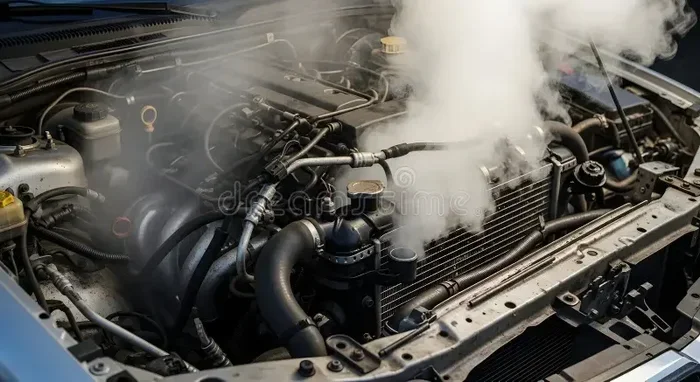
You’re driving down the road, and suddenly a cloud of white steam billows from under your hood. Your heart drops. What happens when a car overheats? The answer might surprise you. A lot more is at stake than most drivers realize.
An overheating car engine is not just an inconvenience. It is a serious warning sign that something is wrong inside your vehicle’s cooling system. Ignoring it can lead to warped engine parts, blown head gaskets, and even a seized engine. The good news? Most overheating problems are preventable and fixable when you catch them early.
In this article, we will walk through exactly what happens when your engine overheats, the common causes of car overheating, the symptoms you should never ignore, and how to protect your vehicle from long-term damage. Whether you are dealing with a current problem or just want to be prepared, this guide has you covered.
Key Takeaways
- Engine damage escalates fast: Even a few minutes of overheating can warp cylinder heads and blow head gaskets.
- Warning signs are clear: Steam from the hood, a rising temperature gauge, and strange smells all point to trouble.
- Common causes are fixable: Low coolant, a stuck thermostat, or a failing water pump are the usual culprits.
- Prevention is simple: Regular coolant flushes, hose inspections, and monitoring your temperature gauge go a long way.
- Don’t ignore it: Driving an overheating car can turn a small repair into a complete engine replacement.
- Act quickly: Pull over safely, let the engine cool, and seek professional help if the problem persists.
📑 Table of Contents
- Understanding Car Overheating
- Common Symptoms of an Overheating Engine
- What Actually Happens Inside Your Engine
- Top Causes of Car Overheating
- How to Prevent Engine Overheating
- What to Do Right Now If Your Car Overheats
- Overheating Engine Repair Cost: What to Expect
- Common Mistakes Drivers Make When Their Engine Overheats
- Expert Insights on Engine Overheating Prevention
- Key Takeaways
- Conclusion
Understanding Car Overheating
Your car’s engine generates an enormous amount of heat during normal operation. The cooling system is designed to manage that heat and keep everything running at the right temperature. When something goes wrong in that system, the temperature rises beyond safe limits. That is engine overheating.
Most cars operate best between 195 and 220 degrees Fahrenheit. When the temperature climbs past that range, problems start to build fast. The coolant temperature gauge on your dashboard is your first line of defense. If it starts climbing into the red zone, you need to pay attention.
How the Cooling System Works
To understand overheating engine repair, it helps to know how the cooling system works. Here is a simple breakdown:
- Coolant (antifreeze): This fluid absorbs heat from the engine and carries it away.
- Water pump: It circulates coolant through the engine block and hoses.
- Radiator: It releases the absorbed heat into the air.
- Thermostat: It regulates coolant flow based on engine temperature.
- Radiator fan: It pulls air through the radiator when the car is slow or idling.
When any one of these parts fails, the whole system suffers. Heat builds up, and the overheating car engine starts to take damage.
Common Symptoms of an Overheating Engine
Spotting the engine overheating symptoms early can make all the difference. Most signs are obvious once you know what to look for. Here are the most common warning signals.
Steam or Smoke From the Hood
This is the most visible sign. When coolant boils inside the engine, it creates steam that escapes through the hood. You might see white vapor or even hear a hissing sound. Steam from hood is never normal. Pull over safely and turn off the engine immediately.
Temperature Gauge in the Red
Your dashboard has a car temperature warning light or a needle gauge. If it moves into the hot zone or a red light comes on, your engine is running too hot. Do not ignore this. Many drivers make the mistake of hoping it will cool down on its own.
Unusual Smells
A sweet, syrupy smell often means coolant is leaking. A burning smell could mean oil or rubber is overheating. Both are serious. Trust your nose here. Strange odors under the hood are never a good sign.
Coolant Leaks on the Ground
If you see puddles of green, orange, or pink fluid under your car after parking, you likely have a coolant leak. Low coolant is one of the top reasons engines overheat. Check your parking spot regularly for these telltale signs.
Knocking or Tapping Sounds
An engine running too hot can cause the fuel to ignite unevenly. This creates a knocking or pinging sound from the engine bay. This is a serious sign that metal parts are expanding and rubbing against each other in ways they should not.
What Actually Happens Inside Your Engine
Now let us get into the real question: what happens when a car overheats on the inside? The damage starts quickly and gets worse the longer you drive.
Warped Cylinder Head
Aluminum cylinder heads are especially vulnerable to heat. When temperatures spike, the metal can warp. A warped head means the seal between the head and the engine block is compromised. This leads to compression loss, poor performance, and often a head gasket failure.
Blown Head Gasket
The head gasket sits between the engine block and the cylinder head. It keeps coolant and oil from mixing and maintains proper compression. When it blows, you get a cocktail of problems. Coolant can leak into the cylinders, oil can contaminate the coolant, and the engine loses power. Overheating engine repair cost for a blown head gasket can range from $1,000 to $2,000 or more, depending on the vehicle.
Cracked Engine Block
In severe cases, the engine block itself can crack. This happens when metal expands and contracts rapidly from extreme heat. A cracked block usually means the engine needs to be replaced entirely. This is the worst-case scenario and the most expensive repair.
Damaged Piston Rings and Cylinder Walls
Extreme heat causes pistons to expand beyond their normal clearance. The piston rings can stick or break. Cylinder walls can develop scoring or scratches. This leads to oil burning, reduced compression, and a noticeable drop in engine performance.
Radiator and Hose Damage
Overheating does not just affect internal engine parts. The radiator itself can crack under pressure from boiling coolant. Rubber hoses can swell, bulge, and burst. A radiator problem caused by overheating can leave you stranded and facing additional repairs.
Catalytic Converter Failure
Here is one many people do not think about. Excessive heat from a misfiring or overheating engine can damage the catalytic converter. This expensive emissions component can melt or clog, adding another $500 to $2,000 to your repair bill.
Top Causes of Car Overheating
Knowing what goes wrong helps you prevent it. Here are the most common reasons engines overheat and what you can do about each one.
Low Coolant Level
This is the number one cause. Coolant levels drop over time from normal evaporation and small leaks. If the system does not have enough fluid, it cannot absorb and dissipate heat properly. Check your coolant reservoir regularly and top it off with the right type of coolant for your vehicle.
Thermostat Stuck Closed
The thermostat controls when coolant flows through the engine. If it gets stuck in the closed position, coolant never reaches the radiator. The engine heats up rapidly. This is a common and relatively inexpensive fix, but it causes big problems if ignored.
Water Pump Failure
The water pump is the heart of the cooling system. It pushes coolant through the engine. When it fails, circulation stops and heat builds up fast. Water pump failure often comes with a whining noise from the front of the engine.
Radiator Fan Malfunction
The radiator fan pulls air through the radiator when you are driving slowly or sitting in traffic. If the fan motor or fan clutch fails, the engine cannot cool down properly in low-speed situations. You may notice overheating mainly in stop-and-go traffic.
Broken or Slipped Serpentine Belt
The serpentine belt drives the water pump and often the radiator fan too. If the belt breaks or slips, these components stop working. A visual inspection of the belt during routine maintenance can catch wear before it causes a breakdown.
Clogged Radiator
Over time, rust, scale, and debris can build up inside the radiator. This restricts coolant flow and reduces its ability to release heat. A radiator flush during regular service helps prevent this buildup.
Head Gasket Failure (As a Cause)
Sometimes the head gasket fails first and causes overheating, rather than the other way around. A failing head gasket can allow combustion gases into the cooling system, creating air pockets that block coolant flow.
How to Prevent Engine Overheating
The best way to deal with an overheating engine is to stop it from happening in the first place. Prevention is simple and costs very little compared to major repairs.
Regular Coolant Flushes
Over time, coolant loses its effectiveness. It becomes acidic and corrosive. Most manufacturers recommend a coolant flush every 30,000 to 50,000 miles. Check your owner’s manual for the exact interval for your vehicle.
Monitor Your Temperature Gauge
Make it a habit to glance at your coolant temperature gauge while driving. If it starts climbing, do not wait. Pull over and investigate. Catching a small problem early saves you from a big one.
Inspect Hoses and Connections
Rubber hoses crack and soften with age. Check them regularly for bulges, cracks, or soft spots. Make sure all clamps are tight. A small coolant drip today can become a major overheating problem tomorrow.
Keep the Radiator Clean
Debris like leaves, bugs, and dirt can block airflow through the radiator. Hose down the front of the radiator occasionally, especially after driving on gravel or dirt roads. Good airflow is essential for proper cooling.
Never Ignore Warning Lights
Your car’s car temperature warning light exists for a reason. When it comes on, stop and address the issue. Many drivers push through the warning and end up with destroyed engines. Do not be that person.
Use the Right Coolant
Not all coolants are the same. Using the wrong type can cause corrosion and reduce cooling efficiency. Always use the coolant specified in your owner’s manual. Mixing different types can also cause chemical reactions that harm the system.
What to Do Right Now If Your Car Overheats
If you are currently dealing with an overheating situation, here is exactly what you should do. Follow these steps in order.
- Turn off the air conditioning: This reduces the load on the engine immediately.
- Turn the heater to full blast: This helps pull heat away from the engine and into the cabin. It is not comfortable, but it works.
- Pull over safely and turn off the engine: Do not keep driving. Every minute of driving causes more damage.
- Do not open the radiator cap: Pressurized hot coolant can spray out and cause severe burns. Wait at least 15 to 20 minutes for the engine to cool.
- Check the coolant level once cooled: If it is low, you can add a small amount of coolant or water to get to a safe location.
- Call for help if needed: If the problem persists or you cannot identify the cause, have the car towed to a trusted mechanic.
Following these steps can prevent further damage and keep you safe on the road.
Overheating Engine Repair Cost: What to Expect
The cost to fix an overheating engine depends entirely on what got damaged. Here is a rough breakdown:
- Thermostat replacement: $100 to $300
- Water pump replacement: $300 to $750
- Radiator repair or replacement: $300 to $900
- Head gasket replacement: $1,000 to $2,000
- Cylinder head resurfacing or replacement: $500 to $1,500
- Complete engine replacement: $3,000 to $7,000 or more
As you can see, a small repair like replacing a thermostat costs a fraction of what a full engine replacement does. This is exactly why early action matters so much.
Is It Worth Repairing an Overheated Engine?
For most vehicles, yes. If the engine block is not cracked and the damage is limited to the head gasket or warped head, repairs are usually worthwhile. But if the engine has seized or the block is cracked, the cost of a new or rebuilt engine may exceed the car’s value. A mechanic can help you evaluate the options and make the best decision for your situation.
Common Mistakes Drivers Make When Their Engine Overheats
Avoiding these mistakes can save you money and prevent further damage.
- Continuing to drive: This is the worst thing you can do. It turns a $200 repair into a $5,000 disaster.
- Opening the radiator cap too soon: This causes hot coolant to spray out and can cause serious burns.
- Pouring cold water into a hot engine: The sudden temperature change can crack the engine block or warp the cylinder head.
- Ignoring the temperature gauge: Many drivers see the needle climbing and just hope it comes back down. It rarely does on its own.
- Topping off coolant without finding the leak: Adding coolant without fixing the underlying problem just delays the inevitable breakdown.
Each of these mistakes is preventable with a little knowledge and patience. Treat your car’s warning signs with respect, and you will avoid most serious overheating damage.
Expert Insights on Engine Overheating Prevention
Seasoned mechanics agree that most overheating problems come down to neglect. A few simple habits can keep your cooling system healthy for years.
First, never skip scheduled coolant flushes. Second, pay attention to any small leaks under your car, even if they seem minor. Third, have a professional inspect your cooling system at least once a year, especially before summer driving season. Heat waves put extra stress on already aging cooling components.
Many experienced technicians also recommend keeping a bottle of coolant and a gallon of water in your trunk. In an emergency, having these on hand can get you to a safe location without causing additional damage.
Overheating car engine problems are among the most common issues mechanics see on the road. But the vast majority of them are preventable with basic maintenance and a watchful eye on your dashboard gauges.
Key Takeaways
- Engine damage escalates fast: Even a few minutes of overheating can warp cylinder heads and blow head gaskets.
- Warning signs are clear: Steam from the hood, a rising temperature gauge, and strange smells all point to trouble.
- Common causes are fixable: Low coolant, a stuck thermostat, or a failing water pump are the usual culprits.
- Prevention is simple: Regular coolant flushes, hose inspections, and monitoring your temperature gauge go a long way.
- Don’t ignore it: Driving an overheating car can turn a small repair into a complete engine replacement.
- Act quickly: Pull over safely, let the engine cool, and seek professional help if the problem persists.
Conclusion
What happens when a car overheats is something no driver wants to experience. But understanding the risks, recognizing the warning signs, and knowing how to respond puts you in a much stronger position. From warped cylinder heads to blown head gaskets, the damage caused by an overheating engine can be extensive and expensive.
The good news is that most overheating problems are entirely preventable. Regular maintenance, a watchful eye on your temperature gauge, and prompt attention to warning signs can keep your engine running at a safe temperature for years to come.
Do not wait until steam is pouring from your hood to take action. Check your coolant levels, inspect your hoses, and schedule regular cooling system flushes. Your engine will thank you, and your wallet will too. Remember, the best overheating engine repair is the one you never need.
Stay proactive, stay informed, and keep your car running cool. Your vehicle depends on you to look out for it.
Frequently Asked Questions
How long can you drive a car when it is overheating?
You should not drive an overheating car at all. Even a few minutes of high temperatures can cause permanent damage to internal engine components like the head gasket and cylinder head. If your temperature gauge enters the red zone, pull over safely, turn off the engine, and wait for it to cool before investigating the cause.
Can low coolant cause a car to overheat?
Yes, absolutely. Low coolant is the most common reason engines overheat. Without enough fluid circulating through the engine, heat cannot be absorbed and released properly. Check your coolant level regularly and top it off with the correct type of coolant for your vehicle.
How much does it cost to repair an overheating engine?
The cost varies widely depending on the damage. A simple thermostat replacement might cost $100 to $300, while a blown head gasket can run $1,000 to $2,000 or more. A complete engine replacement can exceed $5,000. Early detection and prompt repairs are the best ways to keep costs low.
What should I do immediately if my car starts overheating?
Turn off the air conditioning and turn the heater to full blast to pull heat away from the engine. Pull over safely, turn off the engine, and do not open the radiator cap until the engine has cooled for at least 15 to 20 minutes. Then check the coolant level and call for professional help if needed.
Can overheating cause a car to stall?
Yes. When an engine overheats, metal parts expand and can seize, causing the engine to stall. Overheating can also trigger safety systems that shut the engine down to prevent further damage. If your car stalls and the temperature gauge was high, the overheating was likely the cause.
Is it safe to add water to an overheating engine?
Only after the engine has completely cooled down. Pouring cold water into a hot engine can cause thermal shock, which may crack the engine block or warp the cylinder head. Once the engine is cool, adding water as a temporary substitute for coolant is acceptable to reach a repair shop safely.