Can I Add Blind Spot Monitoring to My Car by Myself
Yes, you can add blind spot monitoring to your car by yourself. Aftermarket kits and DIY sensor systems make it possible to upgrade your vehicle’s safety without visiting a dealer. This guide walks you through every option, cost, and step so you can make an informed decision.
Have you ever been driving on the highway and glanced over your shoulder just to be sure no car is hiding in your blind spot? That quick, nervous check happens to almost every driver. It is a habit born from a very real danger. Blind spots kill people on the road every year. So the question keeps popping up: can I add blind spot monitoring to my car? The short answer is yes. The longer answer is what this article covers in full detail.
You do not need to buy a brand new car to get this life-saving feature. Aftermarket systems let you retrofit blind spot monitoring onto almost any vehicle. Whether you drive an older sedan or a newer SUV, there is a solution that fits your budget and skill level. In this guide, we will explore every option available to you. We will look at DIY kits, professional installation, costs, compatibility, and whether adding blind spot monitoring is really worth the effort.
Let us be real for a second. Car safety features are not just luxury add-ons anymore. They are essential tools that keep you and your family safe. Blind spot detection systems have been proven to reduce lane-change crashes significantly. Studies from the Insurance Institute for Highway Safety show that cars equipped with blind spot monitoring have lower accident rates. That alone makes this topic worth your time. So let us dive in and figure out exactly how you can add this feature to your own car.
Key Takeaways
- Aftermarket blind spot kits are widely available: You can find systems that fit most car models and budgets.
- DIY installation is possible: Many kits come with clear instructions and require only basic tools.
- Costs range from $100 to $500: The price depends on the system type and your vehicle’s make and model.
- Professional installation offers precision: If you are not comfortable with wiring, a pro can handle it for you.
- Blind spot monitoring boosts safety: It significantly reduces lane-change accidents and increases driver confidence.
- Compatibility matters: Not every car accepts every kit, so check your vehicle before buying.
📑 Table of Contents
- What Is Blind Spot Monitoring and Why Does It Matter?
- Can I Add Blind Spot Monitoring to My Car by Myself?
- How Much Does It Cost to Add Blind Spot Monitoring?
- Step-by-Step: Installing a Blind Spot Monitoring System
- Common Mistakes to Avoid When Adding Blind Spot Monitoring
- Does Adding Blind Spot Monitoring Void Your Car Warranty?
- Blind Spot Monitoring vs. Other Safety Upgrades
- Final Thoughts: Is It Worth Adding Blind Spot Monitoring Yourself?
What Is Blind Spot Monitoring and Why Does It Matter?
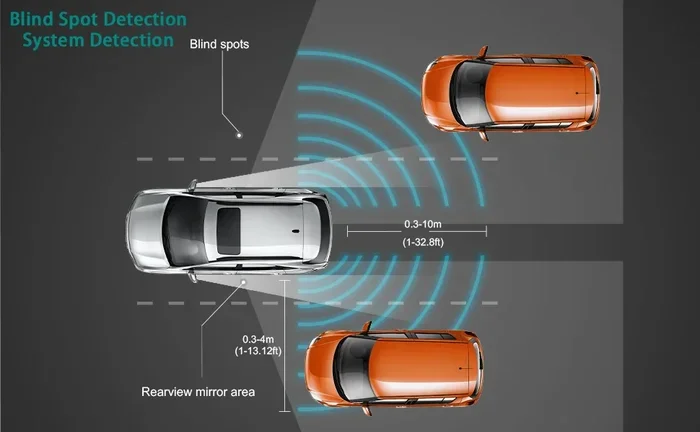
Blind spot monitoring is a driver assistance technology that alerts you when another vehicle enters the area beside your car that you cannot see in your mirrors. The system typically uses sensors mounted on the side mirrors or rear bumper. When a car is detected in your blind zone, the system gives you a visual or audible warning.
Some advanced systems also include steering wheel vibration or audio alerts that get louder as you turn toward the other vehicle. This technology is especially helpful in heavy traffic, highway driving, and tight parking lots. It acts as a second set of eyes that never gets tired or distracted.
Here is why this matters so much. According to the National Highway Traffic Safety Administration, lane-change crashes account for a significant percentage of all car accidents. Many of these happen because drivers simply did not see the other car. A blind spot alert system removes that blind guesswork. It gives you confidence and keeps everyone on the road safer.
How Does Blind Spot Detection Work?
Most blind spot systems rely on radar sensors. These sensors are placed on the rear quarter panels or side mirrors. They continuously scan the lanes beside and slightly behind your vehicle. When the system detects a moving object in that zone, it triggers a warning light on the side mirror or dashboard.
Some newer systems use cameras instead of radar. These mirror-mounted cameras feed live video to a small display. The camera system can detect not just cars but also motorcycles and bicycles. Both radar-based and camera-based systems are effective. The radar type tends to be more common in aftermarket kits because it is proven and reliable in all weather conditions.
Can I Add Blind Spot Monitoring to My Car by Myself?
This is the big question, and the answer is a resounding yes. You absolutely can add blind spot monitoring to your car by yourself. There are many aftermarket kits designed specifically for DIY installation. These kits come with everything you need: sensors, wiring harnesses, control modules, and step-by-step instructions.
The level of difficulty depends on the type of system you choose. Some kits are plug-and-play, meaning you connect them to existing sensors or use adhesive-mounted sensors that require no cutting or drilling. Other kits require more involved wiring, especially if you want the alerts integrated into your side mirrors or factory dashboard display.
If you have basic mechanical skills and are comfortable working with simple electrical connections, you can handle most DIY blind spot kits. You will need a screwdriver, wire stripper, electrical tape, and maybe a drill for mounting sensors. The entire process usually takes between two and six hours depending on the complexity of the system.
Types of DIY Blind Spot Monitoring Kits
Not all aftermarket kits are the same. Here are the main types you will encounter when shopping for a blind spot system:
- Adhesive-mounted radar kits: These sensors stick to the rear bumper with strong adhesive tape. No drilling required. They are the easiest to install and work well for most vehicles.
- Mirror-integrated alert kits: These systems add small LED warning lights directly into your side mirrors. When a car is in your blind spot, the mirror lights up. Very visible and hard to miss.
- Dash-mounted display kits: These include a small screen on your dashboard that shows a live view from side-mounted cameras. They offer the most comprehensive view but require more installation effort.
- Universal radar kits: These work with a wide range of vehicles and use universal mounting brackets. They are a good option if your car does not have a specific fit kit available.
How Much Does It Cost to Add Blind Spot Monitoring?
Cost is a major factor for most car owners considering this upgrade. The good news is that adding blind spot monitoring does not have to break the bank. Prices vary widely depending on the system type, brand, and features you choose.
Basic adhesive-mounted radar kits start around $100 to $200. These provide simple auditory or visual alerts and are the most affordable option. Mid-range mirror-integrated systems typically cost between $200 and $400. They offer more visible warnings and a cleaner look. High-end camera-based systems with dashboard displays can run from $400 to $800 or more.
If you choose professional installation, add another $100 to $300 on top of the kit cost. The total price for a DIY installation with a quality aftermarket kit usually falls between $150 and $500. Compare that to the cost of a dealer-installed OEM system, which can easily exceed $1,000 even on new vehicles.
Is It Cheaper Than Buying a New Car?
Let us put this in perspective. If your current car does not have blind spot monitoring and you want this feature, your choices are limited. You could trade in your car and buy a new one with the feature built in. That costs thousands of dollars in depreciation and financing. Or you could add blind spot monitoring to your existing car for a fraction of the price. The aftermarket route clearly wins on value.
Plus, adding this safety feature extends the useful life of your current vehicle. You get modern safety technology without the monthly payment on a new car. That is a smart financial move for most drivers.
Step-by-Step: Installing a Blind Spot Monitoring System
Every DIY installation is a little different, but most aftermarket kits follow a similar process. Here is a general overview of what to expect. Always refer to your specific kit instructions for exact details.
Step 1: Choose Your Kit and Gather Tools
Before you start, make sure you have the right kit for your vehicle. Check the kit compatibility list and confirm it fits your car model and year. Gather your tools: screwdrivers, wire stripper, electrical tape, drill (if needed), and a clean workspace with good lighting.
Step 2: Mount the Sensors
For adhesive kits, clean the mounting surface on the rear bumper thoroughly. Use rubbing alcohol to remove any grease or dirt. Press the sensors firmly into place and hold for the recommended time. For kits that require drilling, measure carefully and use the provided template to mark drill points. Drill slowly and avoid damaging any wiring or sensors already on your car.
Step 3: Connect the Wiring
Most kits include a wiring harness that taps into your car’s existing electrical system. You will typically need to connect the sensor wires to the control module, and the control module to a power source. Use the provided tap connectors to avoid cutting your car’s original wires. Always connect the ground wire properly to ensure the system works correctly.
Step 4: Install the Alert Indicators
If your kit includes mirror-mounted LED indicators, carefully remove the side mirror housing and mount the LEDs in the designated spots. Reassemble the mirror housing securely. If your kit has a dash display, find a suitable mounting location on your dashboard and connect it to the control module.
Step 5: Test the System
Once everything is connected, turn on your car and check that the system powers up. Walk around your vehicle and test each sensor by moving a car or object into the blind zone. Verify that the alerts activate correctly on both sides. Adjust sensor angles if needed for optimal coverage.
Quick Tips for a Successful Installation
- Take your time: Rushing leads to mistakes. Plan your installation over a weekend when you are not in a hurry.
- Take photos before disconnecting anything: This helps you remember how everything connects when you are done.
- Use zip ties to organize wires: Clean wiring looks better and protects the wires from rubbing against moving parts.
- Test before finalizing: Do not tighten everything down permanently until you have confirmed the system works.
Common Mistakes to Avoid When Adding Blind Spot Monitoring
DIY projects can go wrong if you are not careful. Here are the most common mistakes people make when adding blind spot monitoring to their car.
- Buying the wrong kit: Not every kit fits every car. Always verify compatibility before purchasing. Check the list of supported vehicle models.
- Skipping the wiring diagram: Every kit includes a wiring diagram. Skipping it leads to incorrect connections and a system that does not work. Read the diagram carefully and follow each step.
- Mounting sensors in the wrong spot: Sensor placement is critical for accurate detection. Follow the kit instructions exactly for sensor positioning. Even a small misalignment can reduce the system’s effectiveness.
- Ignoring the ground connection: A poor ground connection is the number one cause of electrical problems in aftermarket installations. Make sure your ground wire connects to a clean, bare metal surface.
- Not testing thoroughly: After installation, test the system in a safe, open area before relying on it on the highway. Do not assume everything works just because you connected the wires.
When Should You Hire a Professional Instead?
There is no shame in hiring a professional for blind spot monitoring installation. If you are not comfortable with electrical work, drilling into your car, or troubleshooting wiring issues, a professional is the right choice. A certified auto electrician or car audio installer can usually complete the job in one to two hours.
Professional installation also ensures that the system does not interfere with your car’s existing electronics. Some modern vehicles have complex computer systems that can be sensitive to aftermarket additions. A pro knows how to integrate new systems safely without triggering error codes or voiding your warranty.
Does Adding Blind Spot Monitoring Void Your Car Warranty?
This is a very common concern, and it is a valid one. The short answer is: it depends. Under federal law in the United States, the Magnuson-Moss Warranty Act protects consumers. This means a dealer cannot void your entire warranty just because you added an aftermarket accessory.
However, if the aftermarket blind spot system directly causes a problem with another part of your car, the manufacturer could deny the claim for that specific part. For example, if a wiring issue from your kit causes a short that damages your car’s computer module, the manufacturer might refuse to cover that repair.
To protect yourself, have the installation done by a certified professional if your car is still under warranty. Keep all receipts and documentation. And always use high-quality kits from reputable brands that are designed to be vehicle-safe.
How to Protect Your Warranty While Upgrading
- Use OEM-quality parts: Choose kits from trusted brands with good reviews and certifications.
- Keep all receipts: Document the purchase, installation, and any professional work done.
- Ask your dealer: Some dealers offer aftermarket accessories that are pre-approved and warranty-safe.
- Get it in writing: Ask your dealer to confirm in writing which modifications are acceptable under your warranty terms.
Blind Spot Monitoring vs. Other Safety Upgrades
Blind spot monitoring is just one of many safety upgrades you can add to your car. Let us compare it with some other popular aftermarket safety features.
| Safety Feature | Typical Cost | DIY Friendly | Impact on Safety |
|---|---|---|---|
| Blind Spot Monitoring | $100 – $500 | Yes, most kits | High – reduces lane-change crashes |
| Rear Cross Traffic Alert | $150 – $600 | Yes, moderate | High – helps when backing up |
| Dash Cam | $50 – $300 | Very easy | Moderate – provides evidence |
| Lane Departure Warning | $200 – $800 | Some kits | High – reduces drifting accidents |
| Backup Camera | $100 – $400 | Yes, very common | High – reduces backing accidents |
| Forward Collision Warning | $300 – $1000 | Difficult | Very High – prevents front-end crashes |
As you can see, blind spot monitoring offers one of the best safety-to-cost ratios of any aftermarket upgrade. It is relatively affordable, easy to install, and provides immediate, tangible benefits every time you drive. If you can only choose one safety upgrade, blind spot monitoring is a fantastic choice.
Final Thoughts: Is It Worth Adding Blind Spot Monitoring Yourself?
The answer to can I add blind spot monitoring to my car is a clear and confident yes. Whether you choose a DIY kit or professional installation, this upgrade is one of the best investments you can make for your safety and the safety of your passengers. The technology works. The cost is reasonable. And the installation process, while requiring some effort, is well within reach for most car owners.
Do not let the idea of wiring or mounting sensors intimidate you. The aftermarket industry has made this process easier than ever. Quality kits come with detailed instructions, pre-cut wiring harnesses, and customer support to help you through any questions. You do not need to be a mechanic or an electrician to succeed.
Think about how much time you spend driving every week. Think about the highways, the busy intersections, the parking lots where cars seem to appear out of nowhere. A blind spot monitoring system gives you a constant safety net. It works silently in the background, watching the areas you cannot see. That peace of mind is priceless.
So go ahead. Explore the kits available today. Pick one that fits your car and your budget. Take your time with the installation. And enjoy the confidence that comes with knowing you have added one of the most important safety features modern driving has to offer. Your future self, and everyone sharing the road with you, will thank you.
Frequently Asked Questions
Can I add blind spot monitoring to any car?
Most cars can accept aftermarket blind spot monitoring kits. However, compatibility depends on your vehicle’s make, model, and year. Always check the kit specifications before purchasing to ensure it fits your car.
How long does it take to install a blind spot monitoring system?
A typical DIY installation takes between two and six hours. Simple adhesive-mounted radar kits can be installed in under two hours. More complex camera-based systems may take longer, especially if you are new to car electronics.
Does adding blind spot monitoring require cutting into my car?
Not necessarily. Many aftermarket kits use adhesive-mounted sensors that require no drilling. However, some systems that integrate alerts into side mirrors may require minor modifications. Always check the kit details before buying.
Is aftermarket blind spot monitoring as good as factory-installed systems?
Modern aftermarket systems are very effective and provide similar protection to factory-installed features. While OEM systems may integrate more seamlessly with your car’s display, aftermarket kits offer excellent blind spot detection at a much lower cost.
Will a blind spot monitoring system work in bad weather?
Yes, most radar-based blind spot systems work reliably in rain, snow, and fog. Camera-based systems may have reduced performance in severe weather conditions. Always check the specifications of your chosen kit to understand its weather capabilities.
Can I add blind spot monitoring to an older car?
Absolutely. Aftermarket blind spot monitoring kits are designed to work with vehicles of all ages. Even older cars that lack modern safety features can benefit from a retrofit blind spot detection system. It is one of the best safety upgrades you can make for any vehicle.