Does Car Insurance Cover Damage From Potholes and Repairs
Does car insurance cover damage from potholes? The short answer is yes, but it depends on your coverage type. Collision coverage typically pays for pothole damage to your vehicle. Comprehensive coverage usually does not apply here. You will need to pay your deductible before the insurer pays the rest. This guide breaks down everything you need to know about filing a claim, repair costs, and what to do right after you hit a pothole.
You are driving down a familiar road. Then you feel a sudden jolt. You just hit a pothole. Your stomach drops. You wonder, does car insurance cover damage from potholes? This is a question many drivers ask after a rough ride. Potholes are more than just a nuisance. They can cause real harm to your vehicle. Tires get ruined. Rims bend. Suspension systems take a beating. And the repair bills can add up fast.
The good news is that your auto insurance policy may help. But it depends on the type of coverage you have. Not all policies cover pothole damage. And not all claims are approved. This article explains everything you need to know. We will cover what types of damage potholes cause. We will look at which insurance coverage applies. We will walk you through the claims process. And we will share tips to prevent pothole damage in the first place. Let us get started.
Key Takeaways
- Collision coverage is key: It usually covers pothole damage to your car, but you must pay your deductible first.
- Act fast after hitting a pothole: Document everything with photos and notes right away for a stronger claim.
- Repair costs vary widely: Tire damage may cost $100 to $300, while suspension repairs can reach $1,000 or more.
- Liability coverage does not help: It only covers damage you cause to others, not your own vehicle.
- Prevention matters: Proper tire inflation and safe driving habits reduce pothole damage risk.
- Claims can raise premiums: Filing too many claims may increase your insurance rates over time.
- Check your policy first: Always review your auto insurance policy before assuming what is covered.
📑 Table of Contents
What Kind of Damage Can Potholes Cause to Your Vehicle
Potholes form when the road surface breaks down. Water seeps into cracks. The freeze-thaw cycle weakens the asphalt. Cars drive over the weak spots. The road collapses. The result is a deep hole. Hitting a pothole at speed makes the damage worse. Your vehicle absorbs the full impact. Several parts can suffer. Let us look at the most common types of pothole damage.
Tire and Wheel Damage
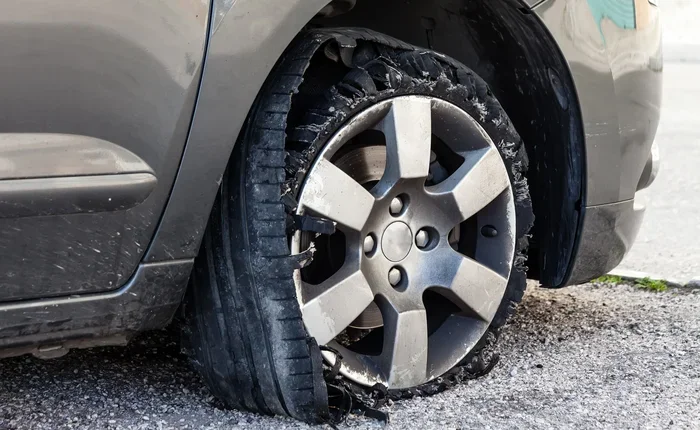
Your tires take the first hit. A pothole can cause a tire puncture. The sidewall can bulge or blow out. Rim damage is also very common. Alloy wheels bend easily. Steel rims can crack. Tire replacement cost varies. A new tire might cost $100 to $300 per tire. Rim repair or replacement can add $150 to $500 per wheel. That is a lot of money for one bad bump.
Suspension and Steering Damage
The suspension system absorbs shocks. It keeps your ride smooth. But a pothole can overwhelm it. Shocks and struts may get damaged. Control arms and tie rods can bend. Steering alignment often shifts after a pothole hit. You might notice your car pulling to one side. Suspension repair costs can range from $300 to over $1,500. Steering damage adds to the bill. Ignoring alignment issues leads to uneven tire wear. It also affects your safety on the road.
Undercarriage and Exhaust Damage
Your car’s undercarriage sits low. It is vulnerable to potholes. The exhaust system can get dented or torn. Mufflers and catalytic converters are at risk. Undercarriage damage may cause leaks. It can also lead to strange noises. In some cases, fluid lines get damaged. These repairs can be expensive. They are easy to overlook right after the incident. Always check underneath your car after a hard hit.
Does Car Insurance Cover Damage From Potholes
Now we get to the big question. Does car insurance cover damage from potholes? The answer depends on your policy. Most standard auto insurance policies include several coverage types. Some cover pothole damage. Others do not. Let us break it down.
When Collision Coverage Applies
Collision coverage is the key player here. It pays for damage to your car from accidents. Hitting a pothole is treated as a single-vehicle accident. This means collision coverage typically applies. It covers tire damage, rim damage, and suspension repairs. But there is a catch. You must pay your insurance deductible first. Deductibles usually range from $250 to $1,000. If the repair cost is lower than your deductible, filing a claim may not make sense. You would pay out of pocket anyway.
Let us look at an example. You hit a pothole and bend a rim. The repair cost is $400. Your deductible is $500. In this case, you pay the full $400 yourself. Filing a claim does not help. But if the rim costs $1,200 to replace, your insurer pays $700 after the deductible. That is when collision coverage shines.
When Comprehensive Coverage Applies
Comprehensive coverage works differently. It covers damage from non-collision events. These include theft, fire, flooding, and falling objects. Pothole damage is usually not covered under comprehensive. It is classified as a collision event. So comprehensive coverage does not typically help with pothole damage. Always check your policy to be sure. Some insurers may have unique rules.
What About Liability Coverage
Liability coverage is the most basic type of car insurance. It covers damage you cause to others. It pays for their medical bills and property damage. But it does not cover your own vehicle. If you hit a pothole and damage your car, liability coverage does nothing. It also does not cover damage to the road itself. You cannot file a liability claim for your own pothole damage. This is a common misunderstanding among drivers.
| Coverage Type | Covers Pothole Damage? | What It Pays For |
|---|---|---|
| Collision | Yes | Repairs to your vehicle after hitting a pothole |
| Comprehensive | No | Non-collision events like theft or flooding |
| Liability | No | Damage you cause to others or their property |
| Uninsured Motorist | No | Damage caused by uninsured drivers |
Keep this table in mind. It helps you understand what your policy covers. If you only have liability coverage, you are not protected from pothole damage. You need collision coverage for that protection.
How to File a Pothole Damage Claim
If you decide to file a car insurance claim, timing matters. The sooner you act, the better. Here is a step-by-step guide to filing a pothole damage claim.
Immediate Steps After Hitting a Pothole
First, pull over safely. Turn on your hazard lights. Check your tires and wheels. Look for visible damage. Check your steering. Does the car pull to one side? Do you hear strange noises? These are warning signs. Do not keep driving on a damaged tire. It can make the problem worse and put you at risk.
Next, take photos. Capture the pothole. Take pictures of your car from multiple angles. Document any visible damage. Write down the location and date. Note the time of day. These details matter when you file a claim. They help your insurer understand what happened.
Gathering Evidence for Your Claim
Evidence is the backbone of any successful claim. Your insurer needs proof. Here is what you should gather:
- Photos of the pothole and the damage
- Photos of your tire tread and rims
- A written description of what happened
- The exact location of the pothole
- Witness statements if anyone saw it
- Police reports if the pothole caused an accident
- Repair estimates from certified shops
Some cities and towns have reporting systems for potholes. You can file a report with the local government. This adds credibility to your claim. It shows the pothole was a known hazard. Keep all your receipts for repairs. Your insurer will want to see them.
The Claims Process Explained
Once you have your evidence, contact your insurance company. Call their claims hotline. You can also file online or through their mobile app. A claims adjuster will be assigned to your case. They will review your evidence. They may ask for a vehicle inspection. The adjuster determines how much the insurer will pay.
The process usually takes a few days to a few weeks. Simple claims get resolved faster. Complex claims with major damage take longer. Be patient and responsive. Answer all questions from your adjuster. Provide any additional documents they request. A smooth claims process depends on clear communication.
Pothole Repair Costs: What You Can Expect
Repair costs vary a lot. The damage type, your car model, and where you live all matter. Here is a general breakdown of pothole repair costs.
Average Costs by Damage Type
Tire puncture repair is the most common. It usually costs $100 to $300 per tire. If the tire is beyond repair, replacement adds up fast. A single tire can cost $150 to $350. Rim repair ranges from $150 to $500. Bent rims sometimes need full replacement. That can cost $200 to $800 per rim.
Suspension repair is more expensive. Replacing shocks or struts costs $300 to $1,500 per corner. Alignment services run $75 to $200. Steering component repairs can add $200 to $600. Undercarriage damage varies widely. Simple dent repair might cost $200. Exhaust system repairs can reach $500 to $1,200. Severe undercarriage damage may exceed $2,000.
How Your Deductible Affects the Pothole Repair Cost
Your insurance deductible plays a big role. It is the amount you pay before insurance kicks in. If your deductible is $500 and the repair costs $800, your insurer pays $300. You pay $500. If the repair costs $400 and your deductible is $500, you pay everything yourself. This is why many drivers skip small claims. They save their claims for larger expenses. But keep in mind that filing a claim can raise your premiums later.
Quick Tip: Before filing a claim, compare the repair cost to your deductible. If the repair cost is close to or below your deductible, pay out of pocket. It keeps your claims history clean and your premiums stable.
When Pothole Damage Is Not Covered by Insurance
Not all pothole damage is covered. Understanding exclusions helps you avoid surprises. Let us look at when your claim might get denied.
Common Exclusions
Insurance companies have specific exclusions. Wear and tear is not covered. If your tires were already old, the insurer may deny the claim. Pre-existing damage is also excluded. If your suspension was already weak, the company may argue the pothole did not cause the damage. They may deny the claim or reduce the payout. Negligent driving can also be an issue. If you were speeding or distracted, the claim may be denied.
Another common exclusion is cosmetic damage. Scratches or dents without functional impact may not be covered. Your policy focuses on safety-related repairs. Keep this in mind when assessing the damage.
Tips to Avoid Claim Denials
You can take steps to strengthen your claim. First, report the incident promptly. Do not wait weeks to file. Second, get a professional inspection. A certified mechanic can document the damage. Their report carries weight with insurers. Third, keep all records. Save receipts, photos, and communications. Fourth, be honest about what happened. Exaggerating or misrepresenting facts can lead to claim denial and policy cancellation.
How to Prevent Pothole Damage to Your Car
Prevention is always better than repair. You cannot avoid every pothole. But you can reduce the risk. Here are some practical tips.
Defensive Driving Tips
- Keep a safe following distance. It gives you time to spot potholes ahead.
- Scan the road surface constantly. Look for dark patches and irregular surfaces.
- Slow down when you see a pothole. Speed makes the impact worse.
- Avoid swerving suddenly. This can cause a loss of control or a collision with another vehicle.
- Watch for water puddles. They often hide deep potholes underneath.
- Drive in the tire tracks of other cars. They often avoid the worst potholes.
Vehicle Maintenance That Helps
A well-maintained car handles potholes better. Proper tire inflation is crucial. Underinflated tires absorb less impact. Check your tire pressure at least once a month. Keep your tires in good condition. Replace worn tires promptly. Good tread depth improves grip and shock absorption.
Check your suspension system regularly. Worn shocks and struts make pothole damage worse. A healthy suspension system absorbs more of the impact. Keep your wheels aligned. Proper alignment helps your car handle bumps better. It also reduces uneven tire wear. These small steps add up. They protect your vehicle and save you money over time.
Conclusion
So, does car insurance cover damage from potholes? Yes, it can. Collision coverage is your best protection against pothole damage. It covers tire repairs, rim replacements, and suspension fixes. But you need to pay your deductible first. Comprehensive and liability coverage usually do not apply. Always check your auto insurance policy to know exactly what is covered. Filing a claim is straightforward if you have the right evidence. Document everything. Act quickly. And compare repair costs to your deductible before you decide to file.
Potholes are a fact of life on many roads. You cannot always avoid them. But you can be prepared. Know your coverage. Understand your policy. Keep your car well-maintained. And drive defensively. These steps help you handle pothole damage with confidence. They also keep you safe on the road. Take action today. Review your policy. Check your coverage. And drive carefully. Your wallet and your car will thank you.
Frequently Asked Questions
Will my insurance rates go up after a pothole claim?
It depends on your insurer and your claims history. A single pothole claim may not raise your rates. But multiple claims can trigger a premium increase. Some companies offer accident forgiveness for loyal customers. Check with your insurance agent to understand your specific policy.
Can I claim pothole damage from the city or government?
Yes, you can file a claim against the local government. But these claims are hard to win. You must prove the government knew about the pothole and failed to fix it. The process is different from an insurance claim. It takes longer and requires strong evidence. Many drivers find it easier to use their collision coverage instead.
What if I only have liability coverage and hit a pothole?
Liability coverage will not pay for your own vehicle damage. It only covers damage you cause to others. If you have only liability coverage, you will need to pay for pothole repairs out of pocket. Consider adding collision coverage to your policy for future protection.
How long do I have to file a pothole damage claim?
File your claim as soon as possible. Most insurers prefer reports within a few days of the incident. Some policies have time limits for filing claims. Check your auto insurance policy for specific deadlines. Reporting early strengthens your claim and speeds up the process.
Is hitting a pothole considered an accident for insurance purposes?
Yes, most insurers treat pothole damage as a single-vehicle accident. It falls under collision coverage. The key difference is that no other vehicle is involved. Your insurer still processes it like a regular collision claim. Make sure to document the pothole and the damage clearly.
What should I do right after hitting a pothole?
Pull over safely and check for visible damage. Take photos of the pothole and your vehicle. Note the location and time. If you feel unsafe driving, call for roadside assistance. Get a professional inspection as soon as possible. Early documentation makes filing a car insurance claim much easier.
=== META DESCRIPTION ===
SEO Title: Does Car Insurance Cover Damage From Potholes and Repairs
Meta Title: Does Car Insurance Cover Pothole Damage and Repairs?
URL Slug: /does-car-insurance-cover-pothole-damage
Meta Description: Does car insurance cover damage from potholes? Find out about collision claims, coverage types, pothole repair costs, and how to file a pothole damage claim today.