Can AutoZone Test My Fuel Pump Before You Buy Parts
Can AutoZone test my fuel pump? Yes, AutoZone can help you diagnose fuel pump issues using in-store diagnostic tools and expert advice. Before you spend money on a new fuel pump, visiting your local AutoZone for testing can save you time, money, and unnecessary part replacements. This guide covers everything you need to know about AutoZone fuel pump testing services, symptoms of a bad fuel pump, and how to get the most out of your visit.
If your car is acting up and you suspect the fuel pump might be the culprit, you are probably wondering where to turn. One of the first questions drivers ask is, can AutoZone test my fuel pump? The short answer is yes. AutoZone is one of the most popular auto parts retailers in the country, and they offer diagnostic services that can help you figure out what is going on with your fuel system. But there is more to the story than a simple yes or no. In this article, we will walk you through everything you need to know about getting your fuel pump tested at AutoZone. You will learn what services they offer, how the testing process works, what symptoms to watch for, and how to avoid wasting money on parts you do not need.
Dealing with car trouble can be stressful. You might be stranded on the side of the road or staring at a check engine light on your dashboard. The last thing you want to do is walk into a store and buy a part that does not fix the problem. That is exactly why getting a proper diagnosis first is so important. AutoZone fuel pump testing gives you the confidence to make informed decisions about your car repairs. Whether you are a seasoned DIY mechanic or someone who just wants to understand what the shop is talking about, this guide has you covered. Let us dive in.
Key Takeaways
- AutoZone offers diagnostic testing: Many AutoZone locations can test your fuel pump and related electrical components on-site.
- Save money before buying parts: Testing first helps you confirm the fuel pump is actually the problem, avoiding wasted purchases.
- Common fuel pump symptoms are easy to spot: Starting problems, engine stalling, and loss of power often point to fuel pump failure.
- AutoZone provides free parts testing: You can bring in fuel pump relays, fuses, and modules for testing at no cost.
- Knowledge is power: Understanding how fuel pump testing works helps you make smarter repair decisions.
- Preventive maintenance matters: Regular fuel filter changes and quality fuel can extend your fuel pump life significantly.
- Professional help is available: AutoZone staff can guide you through basic testing steps and point you in the right direction.
📑 Table of Contents
- What AutoZone Can Do for Your Fuel Pump
- How to Test a Fuel Pump at AutoZone
- Signs Your Fuel Pump Is Going Bad
- AutoZone vs. Other Options for Fuel Pump Testing
- Fuel Pump Replacement: What to Expect
- Expert Tips for Fuel Pump Maintenance
- Common Mistakes to Avoid When Diagnosing Fuel Pump Problems
- Conclusion
What AutoZone Can Do for Your Fuel Pump
AutoZone is more than just a place to buy parts. They are a full-service auto parts retailer with trained staff and diagnostic equipment. When it comes to your fuel pump, AutoZone can help you in several ways. Understanding what they offer is the first step in getting the right help for your car.
Free Parts Testing at AutoZone
One of the best things about AutoZone is that they test parts for free. You can bring in your fuel pump relay, fuel pump fuse, and even the fuel pump module itself. The store staff will hook up the part to testing equipment and check if it is working properly. This service can save you a lot of money because you will know exactly which component needs replacing. Instead of guessing and buying multiple parts, you get a clear answer.
Here is what AutoZone can typically test for you at no charge:
- Fuel pump relay – checks if the relay is sending power to the pump
- Fuel pump fuse – verifies the fuse is not blown
- Fuel pump module – tests the overall electrical function of the pump assembly
- Fuel pump wiring – checks for power and ground connections
In-Store Diagnostic Equipment
Many AutoZone locations have diagnostic scanners and multimeters on hand. These tools let the staff check for trouble codes related to your fuel system. For example, if your check engine light is on due to low fuel pressure, the scanner may pick up that code. The staff can then help you interpret what the code means and guide you toward the right solution. This kind of diagnostic testing is incredibly valuable because it narrows down the problem quickly.
It is important to note that AutoZone cannot test a fuel pump that is still installed in your car the way a full-service repair shop can. They do not have a fuel pressure gauge setup to test the pump while it is running in the vehicle. However, they can test the electrical components and the pump unit itself if you remove it and bring it in. This distinction matters, and we will talk more about it below.
How to Test a Fuel Pump at AutoZone
So, how does the actual process work when you walk into AutoZone with a suspected fuel pump problem? Let us break it down step by step so you know exactly what to expect.
Step 1: Describe Your Symptoms
When you arrive at the store, the first thing the staff will do is ask you about your symptoms. Be ready to describe what your car is doing or not doing. Are you having trouble starting the engine? Does the car stall after a few minutes of driving? Do you notice a whining noise coming from the back of the car near the fuel tank? The more specific you can be, the better the staff can help you. This initial conversation helps them decide which tests to run first.
Step 2: Visual Inspection and Basic Checks
Next, the staff may perform a visual inspection. They will look at the fuel pump fuse and relay to make sure they are in good condition. A blown fuse or a faulty relay can mimic fuel pump failure symptoms. If the fuse is fine and the relay clicks when you turn the key, they move on to testing the pump itself. This basic check alone can solve many fuel pump mysteries without any fancy equipment.
Step 3: Electrical Testing
If the basic checks do not reveal the problem, the staff will use a multimeter to test the electrical connections. They will check for voltage at the fuel pump connector and make sure the ground is solid. This type of fuel pump electrical testing tells them whether the pump is receiving the power it needs to operate. If power is reaching the pump but it still does not work, the pump itself is likely the issue.
Step 4: Part Removal and Bench Testing
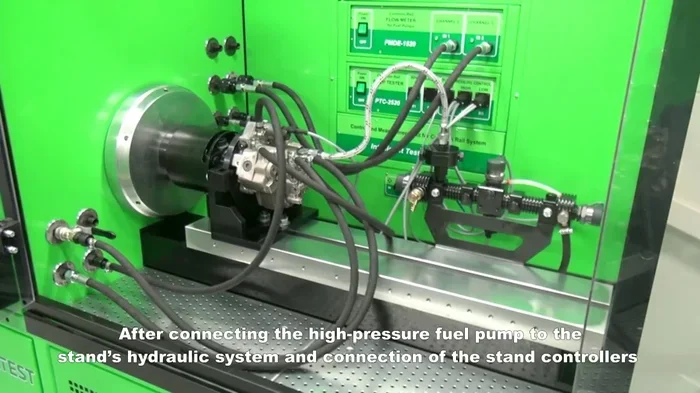
For a more thorough test, you can remove the fuel pump from your vehicle and bring it to AutoZone. The staff can then bench test the pump to see if it delivers the right amount of flow and pressure. This is the most accurate way to test a fuel pump outside of the car. If the pump fails the bench test, you know for sure it needs to be replaced. If it passes, the problem lies elsewhere in the fuel system, such as a clogged fuel filter or a weak fuel pressure regulator.
Signs Your Fuel Pump Is Going Bad
Before you even walk into AutoZone, it helps to know the warning signs of a failing fuel pump. Recognizing these symptoms early can save you from getting stranded and help you get the right diagnosis faster.
Engine Starting Problems
One of the most common signs of a bad fuel pump is trouble starting the engine. The fuel pump delivers gasoline from the tank to the engine under pressure. When the pump starts to wear out, it cannot maintain that pressure. You might turn the key and hear the engine cranking but not catching. In some cases, the car starts after several tries. This intermittent starting problem is a classic indicator of fuel pump wear.
Engine Stalling Under Load
Does your car stall when you are driving hard or carrying a heavy load? A weakening fuel pump cannot keep up with the engine’s demand for fuel during high-performance situations. The engine sputters and dies, then might restart after a few minutes. This symptom often gets worse over time and should not be ignored.
Loss of Power and Acceleration
A failing fuel pump can cause a noticeable loss of power. When you press the gas pedal, the car does not respond the way it used to. You might feel sluggish when trying to accelerate or climb a hill. This happens because the engine is not getting enough fuel to match the airflow coming in. The result is a lean fuel condition that robs your car of performance.
Whining Noise from the Fuel Tank
A healthy fuel pump makes a subtle hum when you turn the key to the on position. But a worn-out fuel pump produces a loud whining or groaning sound. If you hear an unusual noise coming from the rear of your car near the fuel tank, have it checked soon. A loud whine often means the pump internal components are wearing out and the pump is working harder than it should.
Check Engine Light and Error Codes
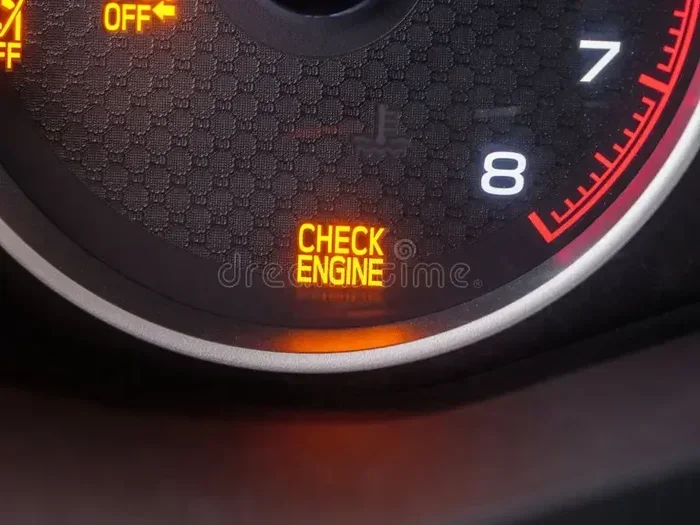
Your car’s computer monitors fuel system performance closely. When it detects low fuel pressure or other fuel pump-related issues, it triggers the check engine light. Common trouble codes related to fuel pump problems include P0087 (low fuel rail pressure) and P0230 (fuel pump primary circuit malfunction). You can have AutoZone scan your car for these codes for free, which gives you a great starting point for diagnosis.
AutoZone vs. Other Options for Fuel Pump Testing
When you need to test a fuel pump, you have several options. Let us compare AutoZone with other common choices so you can decide which path makes the most sense for your situation.
| Option | Cost | Testing Capability | Convenience |
|---|---|---|---|
| AutoZone | Free for parts testing | Electrical testing, relay, fuse, module bench test | Walk-in, no appointment needed |
| Dealership Service Center | $100-$200 for diagnostics | Full fuel pressure test, live data scanning | Appointment required, longer wait |
| Independent Mechanic | $50-$150 for diagnostics | Full fuel system testing, pressure gauge test | Walk-in or appointment, personalized service |
| DIY Testing at Home | $20-$50 for a fuel pressure gauge kit | Full pressure and volume test | Requires tools and knowledge |
| Parts Store (O’Reilly, NAPA) | Free parts testing | Similar to AutoZone, electrical and relay tests | Walk-in, varies by location |
As you can see, AutoZone is a great starting point because the testing is free and convenient. However, if you need a full fuel pressure test with the pump running in the vehicle, an independent mechanic or dealership may be your best bet. Many drivers use AutoZone for the initial diagnosis and then decide whether to DIY the repair or visit a shop. This approach saves money and gives you a clear picture of what needs to be fixed.
When to Choose AutoZone for Testing
AutoZone is the right choice when you want a quick, free diagnosis of your fuel pump electrical components. If you suspect the relay or fuse is the problem, AutoZone can test those right away. It is also a smart move if you have already removed the fuel pump and want to bench test it before buying a replacement. The staff at AutoZone are knowledgeable and can walk you through basic testing steps on the spot.
When to See a Professional Mechanic
If your car will not start at all and you need a definitive answer fast, a mechanic with a fuel pressure gauge setup is the way to go. They can test the pump’s actual output pressure and volume while it is running. This level of testing goes beyond what AutoZone can offer in-store. If the problem is intermittent and hard to pin down, a professional diagnostic session at a repair shop may be worth the investment.
Fuel Pump Replacement: What to Expect
If AutoZone’s testing confirms that your fuel pump has failed, the next step is replacement. Understanding what the process involves can help you prepare and avoid surprises.
Cost of Fuel Pump Replacement
The fuel pump replacement cost varies depending on your vehicle make and model. On average, you can expect to pay between $400 and $800 for parts and labor combined. The fuel pump part itself ranges from $100 to $300, while labor costs typically run $300 to $500. Some vehicles have fuel pumps located inside the fuel tank, which makes replacement more labor-intensive and therefore more expensive. If you are handy with tools, you can save on labor by doing the replacement yourself. AutoZone sells fuel pump replacement kits that include everything you need.
DIY Fuel Pump Replacement Tips
Replacing a fuel pump yourself is doable if you have basic mechanical skills. Here are some tips to make the job easier:
- Relieve fuel system pressure before starting any work. This prevents fuel from spraying everywhere when you disconnect lines.
- Take photos during disassembly. This makes reassembly much easier and helps you remember where everything goes.
- Replace the fuel filter at the same time. A clogged fuel filter puts extra strain on the new pump and shortens its life.
- Clean the fuel tank if necessary. Debris inside the tank can damage a new pump quickly. A clean tank means a longer-lasting pump.
- Check the fuel pump connector and wiring. Corroded connectors can cause the new pump to fail prematurely.
How Long Does a Fuel Pump Last?
A well-maintained fuel pump typically lasts between 100,000 and 150,000 miles. However, several factors can shorten that lifespan. Running your car on low fuel regularly is one of the biggest culprits. The fuel pump relies on gasoline to cool itself during operation. When the tank is consistently low, the pump overheats and wears out faster. Other factors include dirty fuel, a clogged fuel filter, and electrical issues in the vehicle’s wiring harness.
Expert Tips for Fuel Pump Maintenance
Prevention is always better than cure when it comes to your fuel pump. Following a few simple maintenance habits can keep your fuel pump healthy and extend its life significantly.
Keep Your Tank at Least Half Full
This is the single best thing you can do for your fuel pump. Keeping the tank at least half full ensures there is always enough fuel to cool the pump and keep it lubricated. Make it a habit to fill up when the tank hits the quarter mark. This small change can add years to your fuel pump life and save you from an expensive replacement job.
Use Quality Fuel
Not all gasoline is created equal. Cheap fuel can contain contaminants and water that damage your fuel pump over time. Stick with reputable gas stations and consider using a fuel system cleaner every 10,000 to 15,000 miles. A clean fuel system means better flow, better pump performance, and fewer problems overall.
Replace the Fuel Filter Regularly
The fuel filter catches dirt and debris before they reach the fuel pump. A clogged filter forces the pump to work harder, which leads to premature failure. Most manufacturers recommend replacing the fuel filter every 30,000 to 50,000 miles. Check your owner’s manual for the specific interval for your vehicle. This is a cheap and easy maintenance item that pays big dividends.
Listen for Warning Sounds
Your car talks to you if you listen. A healthy fuel pump is nearly silent. A loud whining or rattling noise from the rear of the car is a warning sign. Do not ignore it. The earlier you catch a failing pump, the less likely you are to get stranded or cause damage to other parts of the fuel system.
Common Mistakes to Avoid When Diagnosing Fuel Pump Problems
Even with good intentions, car owners sometimes make mistakes when diagnosing fuel pump issues. Avoiding these common errors can save you time and money.
- Assuming the pump is bad without testing: Many fuel pump symptoms overlap with other problems like a clogged fuel filter, bad fuel pressure regulator, or wiring issues. Always test before you replace.
- Ignoring the relay and fuse: A bad relay or blown fuse can cause the exact same symptoms as a failed fuel pump. These cheap and easy-to-replace parts should always be checked first.
- Buying the wrong pump: Fuel pumps vary by vehicle make, model, and year. Always verify the correct part number before purchasing. AutoZone staff can help you find the right pump for your car.
- Skipping the fuel filter replacement: If you replace the pump but do not change the filter, the new pump may fail quickly due to debris in the system.
- Not checking the fuel tank for debris: If your old pump failed due to contamination, the tank may have rust or dirt inside. Installing a new pump in a dirty tank is a recipe for early failure.
By avoiding these mistakes, you set yourself up for a successful repair and a fuel pump that lasts. The team at AutoZone can help you check off each of these points before you commit to a replacement part.
Conclusion
So, can AutoZone test my fuel pump? Yes, they absolutely can. AutoZone offers free parts testing, diagnostic scanning, and expert guidance that can help you figure out if your fuel pump is the real problem. Whether you need to test a relay, check a fuse, or bench test a removed pump, AutoZone has the tools and knowledge to help. The key is to use their services as a first step in your diagnostic process. This approach saves you money, prevents unnecessary part purchases, and gives you the confidence to tackle the repair with the right information.
Remember, a failing fuel pump does not have to leave you stranded. By recognizing the symptoms early, getting tested at AutoZone, and following through with the right repair, you can keep your car running strong. Take advantage of the free services AutoZone offers, ask questions, and do not be afraid to learn more about your vehicle. Your fuel pump is a critical component, and treating it right means fewer breakdowns and lower repair costs in the long run. Drive safe, stay proactive, and let AutoZone help you keep your car on the road.
Frequently Asked Questions
Can AutoZone test a fuel pump that is still in the car?
AutoZone can perform electrical testing on a fuel pump that is still installed, such as checking the relay, fuse, and wiring. However, they cannot run a full fuel pressure test with the pump operating in the vehicle. For a complete in-car pressure test, you would need to visit a mechanic or dealership. Still, AutoZone’s in-store diagnostics are a great starting point.
How much does it cost to test a fuel pump at AutoZone?
Testing a fuel pump at AutoZone is completely free. You can bring in any fuel system part, including the relay, fuse, module, and pump assembly, and the staff will test them at no charge. This free service is one of the many reasons AutoZone is a go-to destination for car owners looking to diagnose problems before buying parts.
What are the most common symptoms of a failing fuel pump?
The most common symptoms include difficulty starting the engine, engine stalling under load, loss of power during acceleration, a whining noise from the fuel tank area, and a illuminated check engine light. If you notice any of these signs, it is a good idea to visit AutoZone for a free diagnostic scan and parts testing to narrow down the cause.
How long does a fuel pump replacement take?
At a professional shop, fuel pump replacement typically takes between two and four hours, depending on the vehicle. The pump location matters a lot. Pumps inside the fuel tank take longer to replace because the tank must be removed first. If you are doing it yourself, allow extra time for unfamiliar steps and make sure you have the right tools.
Can a bad fuel pump cause a car to shut off while driving?
Yes, a severely failing fuel pump can cause your car to shut off unexpectedly while driving. When the pump can no longer deliver consistent fuel pressure, the engine loses its fuel supply and stalls. This is a dangerous situation, especially at highway speeds. If your car shuts off suddenly, get it tested at AutoZone or a repair shop as soon as possible.
Does AutoZone sell fuel pumps and replacement kits?
Yes, AutoZone carries a wide selection of fuel pumps and replacement kits for many vehicle makes and models. You can shop online or in-store, and the staff can help you find the right part for your car. Many replacement kits also include the fuel filter and necessary hardware, which makes the job easier if you are doing the repair yourself.