Does Tesla Use Oil and What Every Owner Should Know
The short answer is no — Tesla vehicles do not use engine oil because they run on electric motors, not combustion engines. However, Teslas still need several other fluids like brake fluid, coolant, and gearbox oil to operate properly. Understanding what fluids your Tesla actually requires will save you time, money, and unnecessary trips to the service center. This guide covers everything every Tesla owner should know about Tesla fluid maintenance.
If you are new to the Tesla world, one question probably popped into your head right away. Does Tesla use oil? It is a fair question, especially if you are used to traditional gas-powered cars. The answer might surprise you.
Tesla vehicles are fully electric. They do not have a combustion engine. That means there is no engine oil to change. But here is the thing many people miss. Even though Teslas do not need engine oil, they still rely on several other fluids to work correctly. Brake fluid, coolant, and gearbox oil all play important roles in keeping your Tesla running smoothly.
In this guide, we will walk through everything you need to know about Tesla fluids. Whether you own a Model 3, Model S, Model X, or Model Y, this article has you covered. You will learn what fluids your Tesla needs, how often to check them, and why electric car maintenance is so much simpler than traditional car upkeep.
Key Takeaways
- No Engine Oil Needed: Tesla electric vehicles use electric motors that don’t require traditional engine oil changes.
- Tesla Still Uses Several Fluids: Brake fluid, coolant, and gearbox fluid are essential for proper Tesla operation.
- Lower Maintenance Costs: Owning a Tesla means fewer fluid-related expenses compared to gas-powered cars.
- Regenerative Braking Reduces Wear: Tesla’s regenerative braking system extends brake pad and fluid life significantly.
- Follow Tesla’s Service Schedule: Regular checks of Tesla-specific fluids keep your car running smoothly for years.
- DIY Fluid Checks Are Possible: Many Tesla fluid checks can be done at home with basic tools and knowledge.
- Know Your Model’s Needs: Different Tesla models may have slightly different fluid requirements and service intervals.
📑 Table of Contents
The Short Answer: Does Tesla Use Oil?
Let us get the big question out of the way first. Does Tesla use oil? No, it does not. Tesla vehicles use electric motors instead of internal combustion engines. Electric motors have very few moving parts compared to a gas engine. Because of this, they do not need lubricating oil to reduce friction between engine components.
In a traditional car, engine oil serves a critical purpose. It lubricates pistons, camshafts, and other metal parts inside the engine block. Without oil, these parts would grind against each other and cause massive damage. But in a Tesla, the electric motor works differently. The rotor spins inside a stator with minimal friction. There is simply no need for engine oil.
This is one of the biggest advantages of owning an electric vehicle. You will never have to schedule an oil change again. No more wondering if you are due for one. No more paying for synthetic oil every few months. It is a huge relief for Tesla owners and a big reason why electric car maintenance costs are so much lower.
Why People Still Ask About Tesla Oil
Even though the answer is clear, many people still ask about Tesla oil. Why? Because the habit of checking and changing oil is deeply ingrained in car ownership. For decades, every car owner has known that oil changes are a regular part of maintenance. When someone sees a Tesla, their brain still defaults to the question about oil.
Some people also confuse gearbox fluid with engine oil. Tesla vehicles do use a small amount of lubricant in the gearbox. But this is not the same as engine oil. We will cover this in more detail later in the article.
Understanding the Tesla Drivetrain
To fully understand why Teslas do not need oil, it helps to understand how the drivetrain works. The drivetrain is what sends power from the motor to the wheels. In a Tesla, this process is much simpler than in a gas car.
How the Electric Motor Works
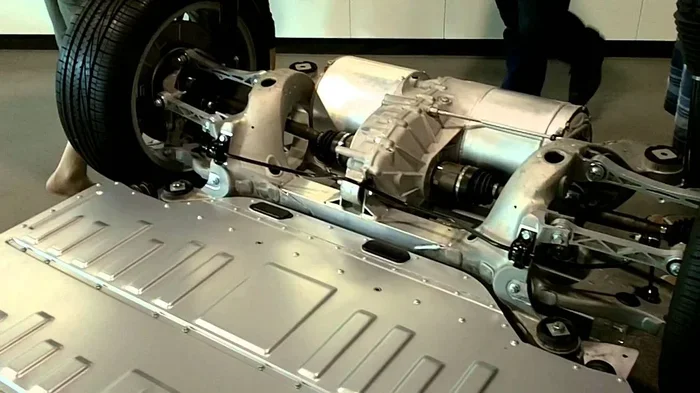
A Tesla electric motor uses electromagnetic fields to create rotational force. The rotor spins inside the stator. This spinning motion goes directly to the wheels through a single-speed transmission. There are no pistons, no valves, no crankshaft, and no complex network of moving parts that need oil.
Think of it this way. A gas engine is like a busy kitchen with dozens of moving parts all working together. An electric motor is more like a simple blender with just one spinning blade. Much less complexity means much less maintenance.
The Single-Speed Transmission
Tesla vehicles use a single-speed gearbox. Unlike traditional cars that have multi-speed transmissions with complex gear systems, the Tesla gearbox is relatively simple. It uses a small amount of lubricant to keep the gears running smoothly. But this is not engine oil. It is a specialized transmission fluid designed for electric vehicles.
The simplicity of the Tesla drivetrain is one of the reasons these cars are so reliable. Fewer moving parts means fewer things that can break. It also means fewer fluid checks and replacements over the life of the vehicle.
Differential Lubricant
Some Tesla models also have a differential. The differential helps distribute power to the wheels. It uses a gear oil to lubricate the internal gears. This fluid is different from engine oil and serves a different purpose. However, Tesla differential fluid changes are very infrequent compared to traditional cars.
What Fluids Does a Tesla Actually Need?
Even though Tesla does not use engine oil, the car still needs several other fluids to operate safely and efficiently. Let us break down each one.
Brake Fluid
Brake fluid is essential for any vehicle, including Teslas. It is a hydraulic fluid that transfers force from the brake pedal to the brake calipers. Without brake fluid, your car cannot stop.
Tesla vehicles use regenerative braking, which reduces wear on the brake pads. Regenerative braking captures kinetic energy during deceleration and converts it back into electrical energy to recharge the battery. Because the traditional brakes are used less often, brake pads and brake fluid last longer in a Tesla.
However, brake fluid still needs to be checked periodically. Brake fluid is hygroscopic, meaning it absorbs moisture from the air over time. This can reduce its effectiveness. Tesla recommends checking brake fluid every two years or as specified in the owner’s manual.
Coolant Fluid
Tesla vehicles use coolant to regulate battery temperature and keep the thermal management system working properly. The battery pack generates heat during charging and discharging. The coolant system ensures the battery stays within the optimal temperature range.
Tesla coolant is not the same as the coolant used in traditional gas cars. It is a specialized fluid designed for the Tesla thermal management system. The coolant also helps regulate the temperature of the electric motor and power electronics.
Tesla coolant does not need to be changed as frequently as traditional car coolant. In many cases, the coolant system is sealed and requires minimal maintenance. However, it is always a good idea to check the coolant level during regular service visits.
Gearbox Fluid
Tesla vehicles have a single-speed gearbox that uses a small amount of lubricant. This gearbox fluid keeps the gears meshing smoothly and reduces wear over time. Unlike traditional automatic transmissions with complex gear sets, the Tesla gearbox is simple and requires very little maintenance.
Tesla does not recommend frequent gearbox fluid changes for most models. However, some owners choose to replace the fluid after high mileage as a preventive measure. Always refer to your specific model’s owner manual for guidance.
Windshield Washer Fluid
This one is obvious but worth mentioning. Tesla vehicles use standard windshield washer fluid, just like any other car. Keep the reservoir filled, especially during rainy or snowy seasons. This is not a Tesla-specific fluid, but it is essential for safe driving.
Tesla Maintenance vs. Traditional Cars
One of the biggest reasons people love Teslas is the low maintenance cost. Let us compare Tesla maintenance with traditional gas car maintenance to see the difference.
Oil Changes: A Thing of the Past
With a gas car, oil changes are a regular expense. Most manufacturers recommend an oil change every 5,000 to 7,500 miles. Over the life of a car, this adds up to hundreds or even thousands of dollars. With a Tesla, this cost simply disappears.
There is no oil to change. No oil filter to replace. No trips to the mechanic for an oil change appointment. This alone saves Tesla owners a significant amount of money over the years.
Fewer Moving Parts Means Fewer Repairs
A traditional gas engine has thousands of moving parts. The transmission alone has hundreds. Each of these parts generates friction and wear over time. Fluids break down, filters get clogged, and components need replacement.
A Tesla electric motor has only a handful of moving parts. The drivetrain is simple and durable. This means fewer things can go wrong. Fewer repairs. Fewer expenses. More time enjoying your electric vehicle.
Tesla Service and Maintenance Schedule
Tesla provides a recommended maintenance schedule for each model. The schedule covers all the fluid checks and replacements your Tesla needs over time. Here is a quick overview of what a typical Tesla maintenance schedule looks like.
- Brake Fluid Check: Every 2 years
- Coolant Check: Every 2 years or as needed
- Gearbox Fluid: Checked during annual service
- Air Filter: Replaced every 2 years
- Cabin Air Filter: Replaced every 2 years
- Brake Pad Inspection: Every 12 months
- Tire Rotation: Every 6,250 miles or as needed
As you can see, the Tesla maintenance schedule is much simpler than a traditional car. There are no oil changes, no spark plug replacements, and no timing belt services. This is the beauty of electric vehicle ownership.
Cost Savings Over Time
The cost savings from not needing oil changes and other traditional maintenance add up quickly. Over a 10-year ownership period, a Tesla owner can save thousands of dollars compared to a gas car owner. The savings come from fewer fluid replacements, fewer parts replacements, and fewer trips to the service center.
Of course, Tesla maintenance is not completely free. You will still need to pay for tire rotations, brake fluid replacement, and occasional coolant checks. But the overall cost is significantly lower than maintaining a gas-powered vehicle.
Common Tesla Fluid-Related Questions
Tesla owners often have specific questions about their car’s fluid needs. Here are answers to the most common ones.
Can You Use Regular Oil in a Tesla?
No. Tesla vehicles do not use engine oil at all. There is no oil reservoir, no oil filter, and no oil change requirement. If someone tells you to add oil to a Tesla, they do not understand how electric vehicles work. Always refer to the Tesla owner manual for accurate information.
How Often Does Tesla Gearbox Fluid Need Changing?
Tesla gearbox fluid is designed to last the life of the vehicle in most cases. However, some owners choose to replace it after 100,000 miles or more as a preventive measure. Check your specific model’s owner manual for the recommended service interval.
What Type of Coolant Does Tesla Use?
Tesla uses a proprietary coolant formulated for its thermal management system. This coolant is not interchangeable with traditional car coolant. Always use Tesla-approved coolant when topping off or replacing the coolant in your vehicle. Using the wrong coolant can damage the thermal system.
Does Tesla Have a Dipstick for Oil?
No. Tesla vehicles do not have an oil dipstick because there is no engine oil to check. This is one of the first things new Tesla owners notice. The absence of a dipstick is a clear sign that the car does not need oil changes. Instead of checking oil levels, Tesla owners focus on checking brake fluid, coolant, and windshield washer fluid.
What Happens If a Tesla Runs Low on Coolant?
If a Tesla runs low on coolant, the thermal management system may not work properly. This can lead to overheating of the battery pack or the electric motor. Tesla vehicles have alerts that warn you if coolant levels drop. If you receive a coolant warning, schedule a service appointment immediately.
Do Teslas Need Transmission Fluid?
Tesla vehicles have a single-speed transmission that uses a small amount of lubricant. Some people call this transmission fluid or gearbox fluid. It is not the same as the transmission fluid used in traditional multi-speed automatic transmissions. Tesla does not require frequent transmission fluid changes, but the fluid should be checked during regular maintenance.
Tips for Tesla Owners
Owning a Tesla is exciting, but it also comes with responsibilities. Here are some practical tips to keep your Tesla in top shape.
Check Your Fluids Regularly
Even though Teslas need fewer fluid checks than gas cars, you should still make it a habit to inspect your fluids regularly. Check brake fluid, coolant, and windshield washer fluid at least once a month. A quick check takes only a few minutes and can prevent bigger problems down the road.
Use Tesla-Approved Fluids
Always use fluids approved by Tesla for your specific model. Using the wrong type of coolant or brake fluid can cause damage to the electrical and thermal systems. Tesla provides a list of approved fluids in the owner manual and on their service website.
Keep Up with Annual Service
Tesla recommends an annual service check for most models. During this check, a technician will inspect all fluid levels, brake components, tires, and the battery health. Staying on top of annual service helps catch small issues before they become expensive repairs.
Monitor Your Battery Health
The battery is the heart of your Tesla. Keeping the battery healthy means keeping the coolant system working properly. Avoid letting your battery sit at extreme temperatures for long periods. Charge your Tesla within the recommended range to extend battery life.
Learn Your Model’s Specific Needs
Every Tesla model has slightly different fluid requirements. The Model S may have different coolant needs than the Model 3. The Model X may require different gearbox fluid than the Model Y. Always check the owner manual for your specific model to ensure you are using the right fluids and following the correct maintenance schedule.
Take Advantage of Tesla Mobile Service
Tesla offers mobile service for many maintenance tasks, including fluid checks and replacements. A technician comes to your location and handles the service. This is incredibly convenient and saves you time. Use the Tesla app to schedule mobile service whenever needed.
Final Thoughts
The question does Tesla use oil has a simple and clear answer. No, it does not. Tesla vehicles are electric cars that run on electric motors, not combustion engines. This means no engine oil, no oil changes, and no oil filters to worry about.
However, Tesla owners still need to pay attention to other fluids. Brake fluid, coolant, gearbox fluid, and windshield washer fluid all play important roles in keeping your Tesla running safely and efficiently. Staying on top of these fluid checks is easy and takes very little time.
One of the greatest benefits of owning a Tesla is the low maintenance cost. Without oil changes and fewer moving parts to maintain, your Tesla will cost you far less to own than a traditional gas car. Over time, these savings can be substantial.
If you are considering buying a Tesla or are a new Tesla owner, understanding your car’s fluid needs is essential. Read the owner manual, follow Tesla’s recommended maintenance schedule, and use approved fluids. Your Tesla will reward you with years of reliable, low-maintenance driving.
Embrace the simplicity of electric vehicle ownership. With fewer fluids to manage and no oil changes to schedule, you can spend less time worrying about maintenance and more time enjoying the road ahead. That is the real beauty of driving a Tesla.
Frequently Asked Questions
Do Teslas need oil changes?
No, Teslas do not need oil changes. They use electric motors instead of combustion engines, which means there is no engine oil to change. This is one of the biggest advantages of owning a Tesla.
What fluids does a Tesla need?
Tesla vehicles need brake fluid, coolant, gearbox fluid, and windshield washer fluid. Unlike gas cars, Teslas do not require engine oil, transmission fluid, or power steering fluid.
How often should I check my Tesla’s fluids?
Tesla recommends checking brake fluid every two years and coolant every two years. A quick monthly check of all fluid levels is a good habit for any Tesla owner.
Can I use regular car coolant in my Tesla?
No, you should always use Tesla-approved coolant. Tesla uses a specialized coolant formulated for its thermal management system. Using the wrong coolant can cause damage to the battery or motor.
Why don’t Teslas have a dipstick for oil?
Teslas do not have an oil dipstick because they do not use engine oil. The electric motor in a Tesla does not require lubricating oil, so there is nothing to check or replace.
Is Tesla maintenance cheaper than traditional cars?
Yes, Tesla maintenance is generally much cheaper than traditional gas car maintenance. Without oil changes, spark plug replacements, and other engine-related services, Tesla owners save significantly on routine maintenance costs.
=== CONCLUSION ===
The answer to does Tesla use oil is a clear no. Tesla vehicles are built around electric motors that do not require engine oil. This simple fact sets them apart from every gas-powered car on the road. But owning a Tesla is not about ignoring all fluids. It is about understanding which fluids matter and staying on top of them.
Brake fluid, coolant, gearbox fluid, and windshield washer fluid are the fluids your Tesla relies on. Checking these fluids regularly and using Tesla-approved products will keep your car running at its best. The low-maintenance nature of electric vehicle ownership is one of the biggest perks of driving a Tesla.
Whether you are a current Tesla owner or considering making the switch, understanding Tesla fluid maintenance gives you confidence. You will spend less time in the shop and more time enjoying the drive. Embrace the simplicity, save money, and let your Tesla do what it does best — deliver an incredible driving experience with minimal upkeep.